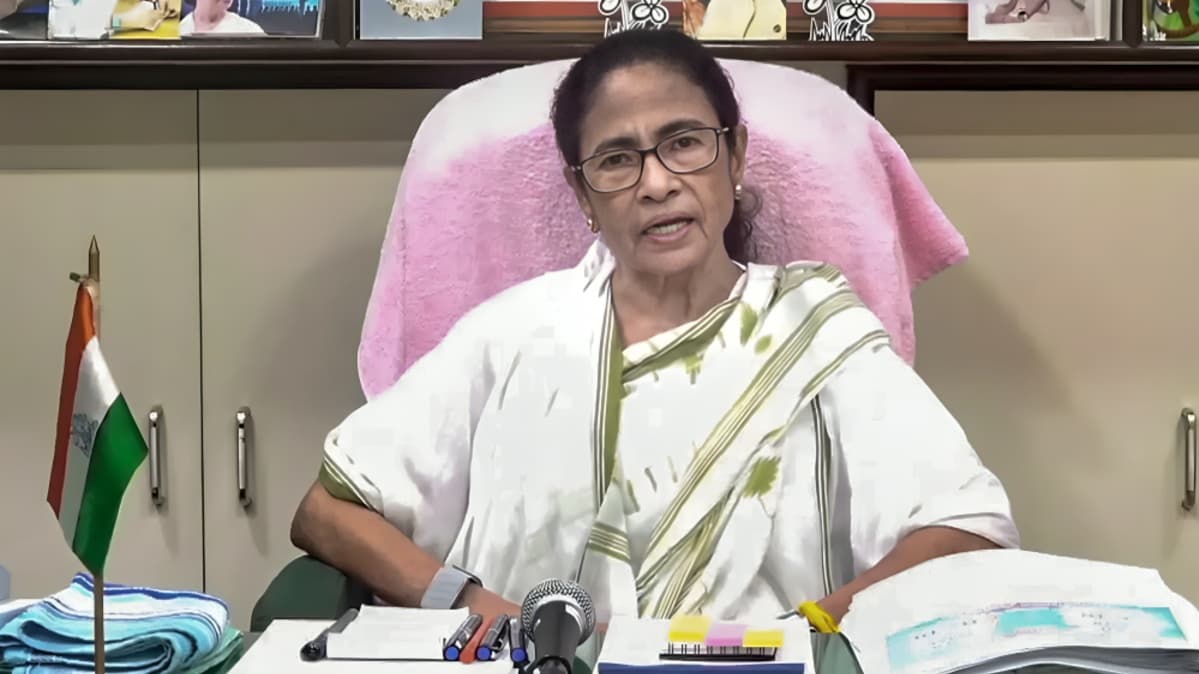
West Bengal Chief Minister Mamata Banerjee has publicly backed the central government’s stance on the attacks against Hindus in Bangladesh, amid rising tensions over religious violence in the neighboring country. Banerjee, in a statement, emphasized the importance of standing united on the issue and reiterated that the Indian government should address the matter with diplomatic sensitivity.
The recent wave of attacks on Hindu minorities in Bangladesh has drawn widespread condemnation, with international human rights groups expressing concerns over the safety and well-being of the community. Banerjee's remarks come as the violence against Hindus, including the destruction of temples and attacks on individuals, has garnered significant attention in India.
While Mamata Banerjee has often been critical of the central government's policies, her support on this issue is seen as a call for national unity in dealing with sensitive matters of religious violence. In her statement, she reiterated that the violence must be condemned irrespective of the political affiliations, urging the public to maintain peace and harmony.
The Chief Minister also urged the Indian government to take appropriate measures to ensure the safety of the Bangladeshi Hindu community and to engage in diplomatic discussions with Bangladesh to prevent further attacks. Banerjee's comments are part of a broader national conversation about the treatment of religious minorities and the role of the Indian government in protecting its citizens and those in neighboring countries facing persecution.
This development highlights the delicate balance of international relations, particularly with neighboring Bangladesh, and the importance of addressing the concerns of religious minorities both domestically and abroad. Banerjee’s stand signals a recognition of the severity of the situation and the need for strong, decisive action to safeguard vulnerable communities.
The matter continues to evolve, with global attention focused on the safety of minorities in Bangladesh, as well as the role of the Indian government in advocating for their protection.