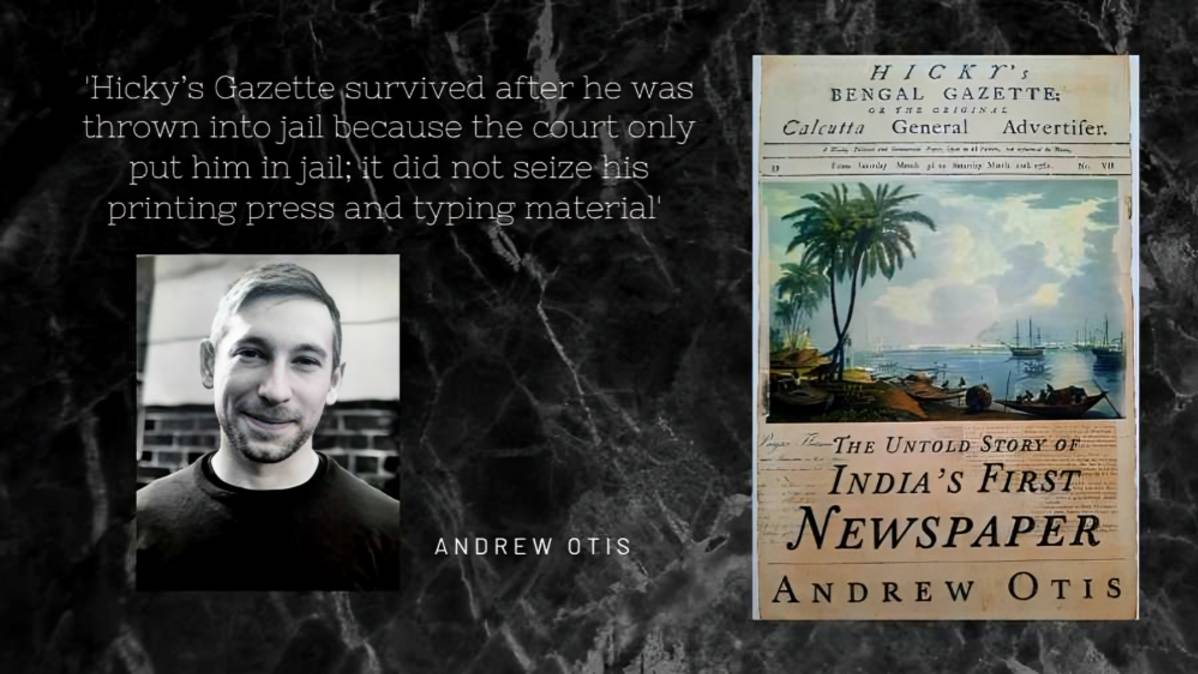
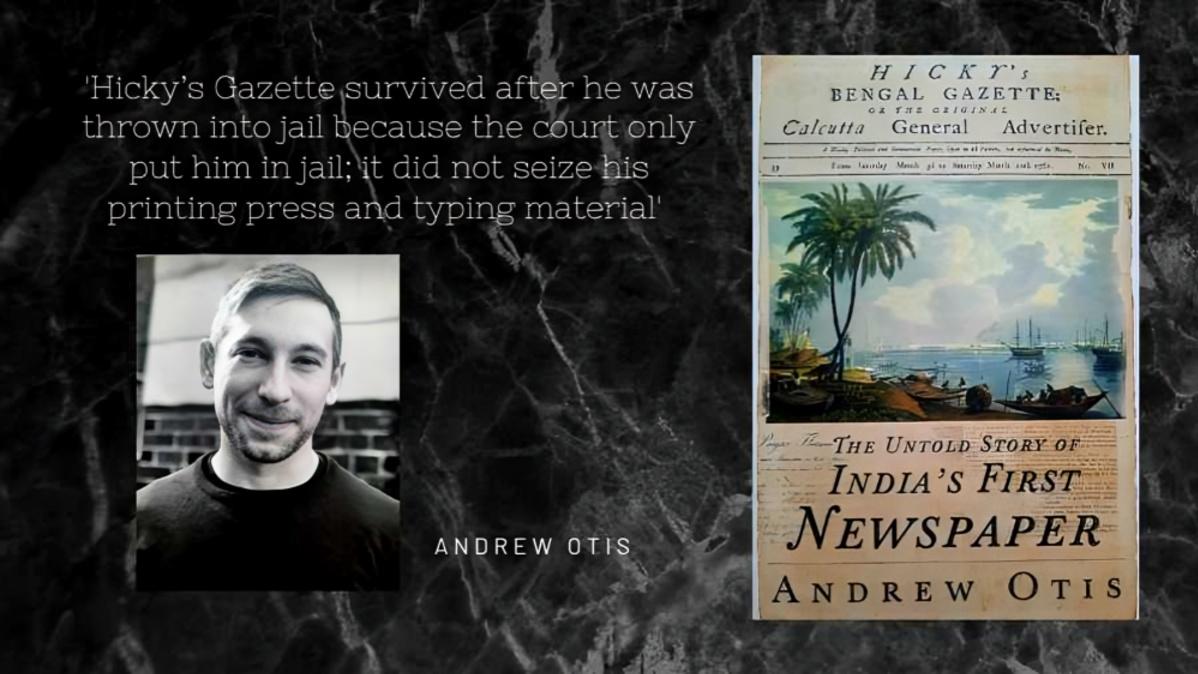
India’s first newspaper, Hicky’s Bengal Gazette, has returned in digital form 246 years after its establishment. American historian Andrew Otis, who holds a doctoral degree in journalism, has launched a searchable online archive dedicated to the historic newspaper.
The initiative brings renewed attention to a publication that challenged powerful colonial officials, attracted controversy through its reporting and continued publishing despite the imprisonment of its editor.
The digital archive provides an opportunity for students, researchers, historians and members of the public to explore the early history of journalism in India and understand the challenges faced by independent publications during British colonial rule.
The Beginning of Newspaper Journalism in India
Hicky’s Bengal Gazette was established by James Augustus Hicky in Calcutta, now Kolkata, in January 1780. Widely recognised as India’s first printed newspaper, the publication marked an important milestone in the development of journalism in the country.
The English language weekly newspaper carried a variety of material, including advertisements, political commentary, personal opinions and reports concerning colonial society.
At a time when British colonial authorities exercised considerable influence over public affairs, Hicky used his newspaper to question powerful individuals and comment on political and social developments.
His publication adopted a distinctive approach that combined news reporting with criticism, humour and satire.
A Newspaper Known for Political Satire
Hicky’s Bengal Gazette became particularly well known for its criticism of influential officials associated with the British East India Company.
The newspaper frequently used satire and controversial commentary to challenge individuals occupying powerful administrative positions. Its reporting attracted attention while also creating tensions between its editor and colonial authorities.
Among the prominent figures criticised by Hicky was Warren Hastings, the Governor General of Bengal.
The newspaper demonstrated how printed publications could provide an alternative platform for discussing governance and questioning individuals in positions of authority.
However, its reporting also included personal disputes and controversial accusations, reflecting a period when modern journalistic standards and professional practices were still developing.
Early Challenges to Press Freedom
The publication of Hicky’s Bengal Gazette represented an early chapter in the history of press freedom in India.
James Augustus Hicky faced legal proceedings and imprisonment during his career as a newspaper editor. Despite these difficulties, he continued publishing the newspaper for a period while in prison.
His determination to maintain the publication highlighted the challenges faced by journalists working under colonial administration.
The newspaper eventually ceased publication in 1782 following legal and financial difficulties and the seizure of its printing equipment.
Although its publication lasted only around two years, Hicky’s Bengal Gazette occupies a significant place in Indian media history because of its willingness to challenge colonial authority.
Its experiences illustrate the historical tensions between independent journalism, government power and restrictions on public expression.
Advertisements Reveal Colonial Society
Apart from political commentary and news reports, Hicky’s Bengal Gazette published advertisements that reflected everyday life in colonial Calcutta.
These advertisements covered fashionable goods, commercial services and other products available during the period. The newspaper also carried advertisements involving enslaved people, revealing the exploitation and social inequalities that existed within colonial society.
Such historical material provides researchers with insights into the commercial activities, economic conditions and social practices of eighteenth century India.
The advertisements are valuable historical records, offering information beyond the political developments generally associated with colonial history.
They also document practices that must be understood within the context of historical exploitation and human rights abuses.
Andrew Otis Launches Searchable Digital Archive
American historian Andrew Otis has launched an online archive that allows readers to search historical material from Hicky’s Bengal Gazette.
Otis has studied the history of the newspaper and its contribution to the development of journalism in India. His digital initiative makes historical newspaper material more accessible to people interested in colonial history and media studies.
Searchable digital archives can help researchers locate relevant articles, advertisements and historical references without relying exclusively on physical documents.
The initiative also creates opportunities for educational institutions to incorporate historical newspaper material into journalism, history and social science courses.
By making the publication available online, the project helps connect contemporary audiences with an important period in the development of Indian journalism.
Importance of Preserving Historical Newspapers
Historical newspapers are valuable primary sources that document political developments, commercial activities, cultural practices and public debates.
Unlike retrospective historical accounts, newspapers provide material produced during the period being studied. However, their contents must still be examined critically because historical publications may contain inaccuracies, personal biases and unverified allegations.
Digitisation can help preserve historical documents while improving access for researchers and the wider public.
Searchable archives also make it easier to compare historical events, identify recurring themes and examine changes in language, society and political communication.
The digital preservation of Hicky’s Bengal Gazette contributes to wider efforts to make historical knowledge accessible to future generations.
Relevance to Modern Journalism
The history of Hicky’s Bengal Gazette remains relevant to contemporary discussions about editorial independence, freedom of expression and accountability.
Its experiences demonstrate the historical importance of allowing publications to examine the actions of powerful institutions and public officials.
At the same time, the newspaper’s controversial reporting highlights the importance of accuracy, verification, fairness and responsible editorial practices in modern journalism.
Contemporary news organisations operate within professional and legal frameworks that emphasise factual reporting, transparency and accountability.
Studying early newspapers can help journalism students understand how these professional principles have evolved.
A Historic Publication Returns After 246 Years
The digital revival of Hicky’s Bengal Gazette brings one of India’s most significant early publications to a new generation of readers.
Established in 1780, the newspaper documented aspects of colonial Calcutta while challenging influential officials through criticism and satire.
Its searchable online archive offers an opportunity to explore the origins of newspaper journalism in India, examine historical records and understand the early challenges associated with press freedom.
Through digital preservation, the legacy of James Augustus Hicky and his newspaper remains accessible to contemporary audiences more than two centuries after its original publication.