KOLKATA: Kolkata and Howrah, two of West Bengal’s most populous urban areas, are grappling with a severe public transport crisis after losing over 2,000 buses in 2024. The issue was highlighted by Chief Minister Mamata Banerjee in the year’s first administrative meeting at Nabanna on Thursday, where she drew attention to the deteriorating state of public transport in the two cities. The situation has worsened significantly, as 2,185 buses went off the roads in the past year, while only 154 new buses were registered in Kolkata and Howrah, located on opposite banks of the Hooghly River.
This massive decline in the bus fleet has left many popular routes on the verge of extinction. Operators are reluctant to replace old buses due to rising costs, and as a result, at least 20 critical bus routes are facing closure within the next eight to 10 months. The scenario is so dire that the iconic maroon-and-yellow minibuses, once a mainstay of the city's transportation network, are nearing their end. Unions estimate that barely 10% of the once 1,900 minibuses will remain roadworthy by October.
Key Reasons Behind the Crisis:
One of the primary reasons behind the crisis is the lack of route rationalization. Multiple buses allocated to the same route often have to compete for passengers, which results in inefficiency and delays. As operators struggle to replace old buses, state-run buses have been unable to meet the rising demand. The shortage of public transport options has driven a sharp increase in private vehicle usage, particularly two-wheelers. This shift to private transport has led to a significant rise in traffic congestion, further complicating the commuting experience in Kolkata and Howrah.
Adding to the woes of commuters is the discontinuation of tram services on most routes. Trams, which used to offer a more leisurely and eco-friendly mode of travel, were once an integral part of the city's transport system. With buses being scarce, especially after office hours, the average wait time for commuters has increased, leading to frustrations.
Impact on Daily Commuters:
For the daily commuter, the impact of this crisis is already being felt, especially in areas such as Sector V, Sealdah, Ultadanga, Ruby Crossing, Burrabazar, and Howrah. Many commuters now need to take several autos, costing them five times more than the fare of a single bus trip. Anirban Ghosh, a transport economist, pointed out that most major transit points in the city are facing the same issue. "People are paying exorbitant fares just to get to their destinations due to the lack of a reliable bus service," he said.
The crisis also has a direct impact on sectors such as business and education, where timely transportation is essential for workers and students. The ongoing disruptions are severely affecting productivity and creating economic ripple effects across the region.
Operators Struggling to Sustain the Service:
Bus operators have been vocal about the increasing financial burden they face. To replace a single bus, operators need around Rs 25 lakh—Rs 18 lakh for the chassis, Rs 6 lakh for the body, and another Rs 1 lakh for documentation. Operators are demanding financial relief and concessions from the government to facilitate the purchase of new buses. Titu Saha, from the City Suburban Bus Service, emphasized that, "unless the finance costs are reduced, sustaining this trade will become difficult." He also pointed out that certain long routes, such as 239, 235, and 230, require up to 35 buses, but only a handful of these routes currently operate with more than 15 BS VI buses.
With aging fleets, even state-run buses are unable to fill the gap. A senior official from the West Bengal Transport Corporation (WBTC) admitted, "Even if we brought out older buses, we would not be able to maintain the regular timetable. Frequent breakdowns have made the situation worse."
Government's Response and Public Demand for Action:
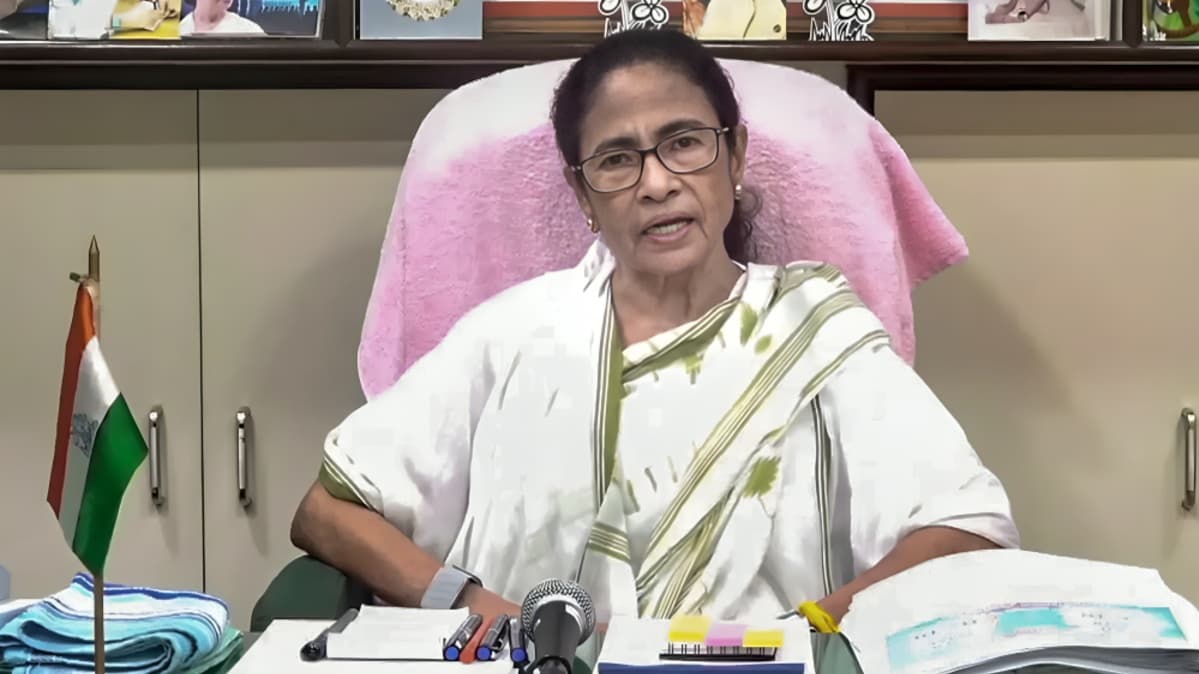
During Thursday's meeting, Mamata Banerjee expressed concern about the state of public transport. She noted that the transport department is often overlooked, yet it plays a crucial role in the functioning of the city. "Have you conducted a survey to determine where an increase in bus frequency is needed? I have personally noticed how people wait for buses after office hours," she remarked, signaling the need for immediate action.
Despite her acknowledgment of the problem, the CM’s statement also drew attention to the need for practical solutions, such as increased bus frequency, better route management, and timely procurement of new buses. Her concerns were echoed by transport experts, who argue that without concrete government intervention, the transport system will continue to deteriorate.
The Road Ahead:
The state government must take urgent steps to stabilize the situation and avoid a full-blown transport collapse. While the government has yet to announce a comprehensive plan to address the crisis, some measures include incentivizing the purchase of new buses, improving financing schemes for bus operators, and introducing smarter route management strategies.
In the longer term, Kolkata and Howrah need a complete overhaul of their public transport systems to meet the needs of a growing population. This includes not only replacing aging fleets but also exploring newer, more sustainable modes of transport, such as electric buses and trams, which could alleviate congestion and environmental impact.
As the cities continue to face mounting transport challenges, both the government and public need to collaborate for practical solutions. Ensuring reliable, affordable, and accessible public transport should be a priority for authorities to ensure a smoother, more efficient future for Kolkata and Howrah’s residents.