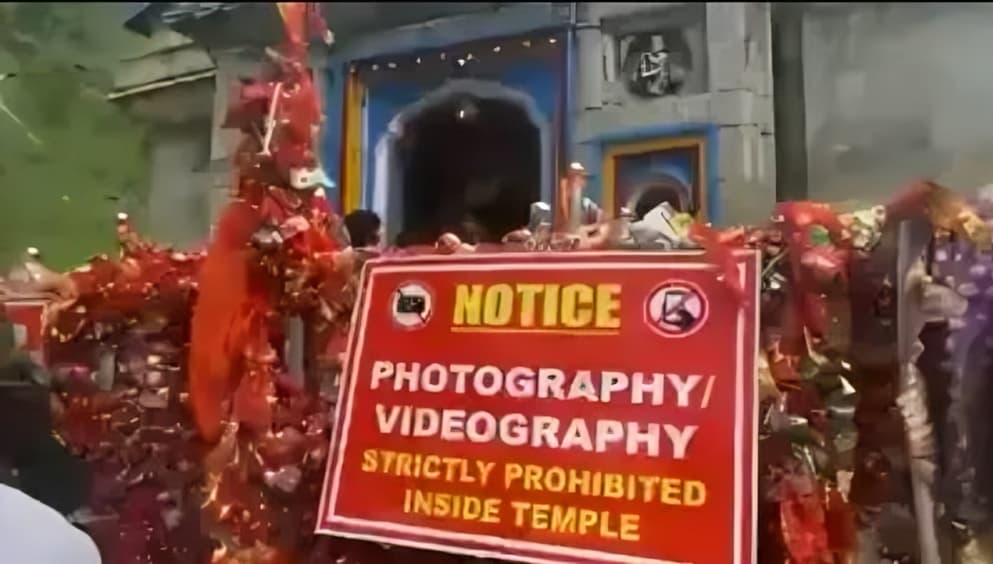
The sixth day of Navratri was observed with deep devotion and spiritual significance in Jammu, where devotees gathered in large numbers at the historic Kali Temple to worship Goddess Katyayani. The temple premises resonated with chants, prayers, and traditional rituals as people offered their obeisance to the sixth form of Goddess Durga. The celebrations reflected the deep cultural and religious sentiments associated with the Navratri festival across the region.
Goddess Katyayani, worshipped on the sixth day of Navratri, is considered a powerful form of Goddess Durga. She symbolizes courage and the destruction of evil forces, inspiring devotees to follow the path of truth and righteousness. According to Hindu tradition, Goddess Katyayani is also associated with the fulfillment of wishes and is often worshipped by young women seeking marital blessings. Her worship is seen as a way to invoke strength and prosperity.
In Jammu, the Kali Temple became the focal point of spiritual activities as devotees gathered from early morning to participate in puja ceremonies. The rituals included chanting of sacred mantras, recitation of Durga Saptashati, and performing aarti with great enthusiasm. Many families observed fasts and engaged in devotional songs and bhajans that filled the temple with an atmosphere of faith and positivity.
Priests at the temple guided the devotees through the rituals, emphasizing the importance of worshipping Goddess Katyayani during this phase of Navratri. They highlighted that each day of the festival holds spiritual meaning, and the sixth day is particularly significant for invoking courage and determination in life.
The city of Jammu witnessed a festive mood with streets decorated and local markets bustling with activity. Devotees purchased offerings such as flowers, fruits, and sweets to present before the goddess. Traditional attire was worn by many women and children, adding vibrancy to the celebrations. Despite the large gatherings, arrangements were made to ensure smooth conduct of rituals and management of the crowds.
Navratri, a nine-day festival dedicated to the nine forms of Goddess Durga, is one of the most important religious observances in India. In Jammu and other parts of the country, it is celebrated with unique traditions that highlight the rich cultural diversity of the region. The worship of Goddess Katyayani on the sixth day reflects the continuity of faith and devotion passed down through generations.
As the festival progresses, devotees prepare for the worship of the remaining forms of the goddess, leading to the culmination of Navratri on the ninth day. The observance at the Kali Temple in Jammu not only drew local residents but also visitors from nearby areas, underlining the temple’s importance as a spiritual hub during the festival.
The sixth day of Navratri thus brought together people of all ages in an expression of faith, devotion, and community bonding. The worship of Goddess Katyayani at the Kali Temple in Jammu stood as a testament to the enduring traditions of Navratri and the unifying spirit of Indian festivals.