Several prominent temples across North India remained closed to devotees on Tuesday in observance of the Sutak period preceding the lunar eclipse. According to Hindu traditions, the Sutak period is considered ritually inauspicious and begins several hours before a solar or lunar eclipse. During this time, regular worship, offerings and ceremonial rituals are suspended.
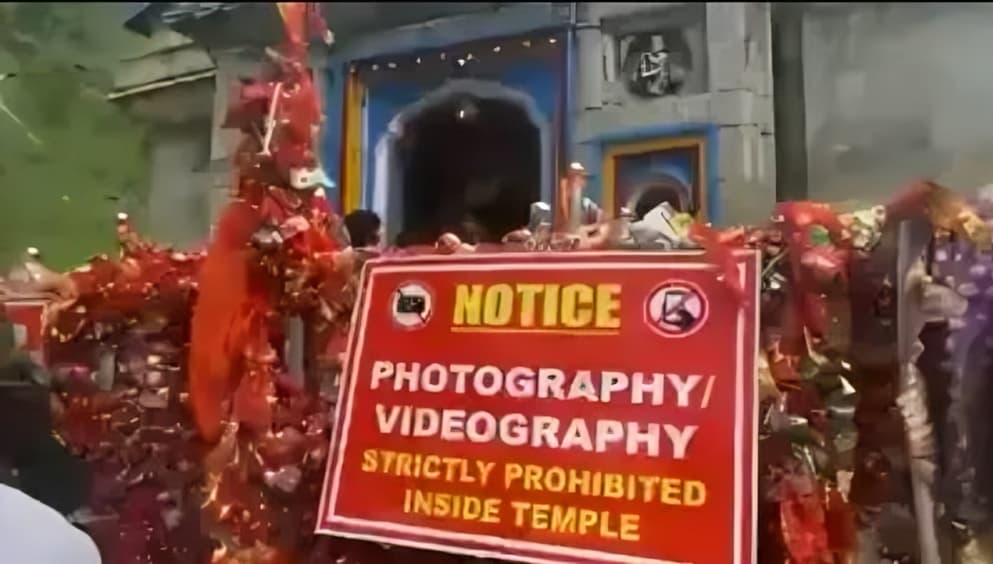
In Haridwar, temple authorities closed the doors of major shrines as the Sutak period commenced early in the morning. The ghats at Har Ki Pauri also witnessed restrictions in temple related rituals. Among the prominent temples that remained closed were Mansa Devi Temple, Chandi Devi Temple and Daksha Mahadev Temple. Temple management committees confirmed that the closure was in line with established customs observed during eclipses.
In Prayagraj, temples were closed after the morning aarti before the Sutak period took effect. Priests explained that the Mangala Aarti was performed early in the day, following which temple doors were shut. They stated that after the conclusion of the eclipse, the temples would reopen and the deities would undergo ritual bathing and purification ceremonies before regular worship resumes.
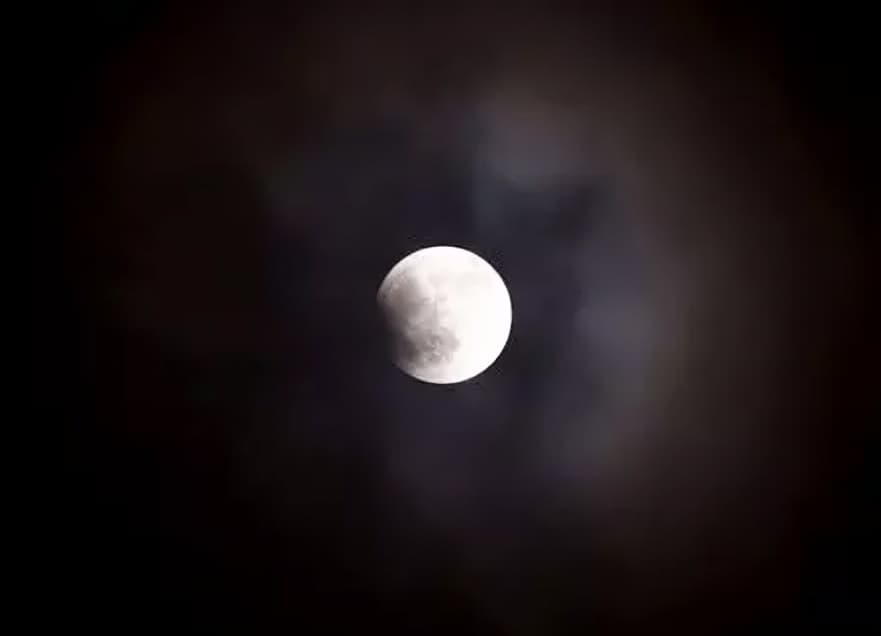
Authorities indicated that the lunar eclipse was scheduled to begin in the afternoon and conclude in the evening. As per tradition, temples are reopened only after the eclipse ends and purification rituals are completed. These rituals typically include ceremonial bathing of idols, chanting of mantras and cleaning of temple premises.
In Varanasi, temple doors were also closed during the Sutak period. Devotees were advised in advance about the temporary suspension of darshan and rituals. Similar observances were reported in Ayodhya, Tirupati and Thanjavur, where temple administrations followed customary guidelines related to eclipses.
Religious scholars note that the Sutak period is observed to maintain ritual purity in temples. While devotees are discouraged from conducting auspicious ceremonies during this time, many engage in prayer, meditation and chanting at home. After the eclipse concludes, temples typically conduct special prayers and purification rites before reopening to the public.
Officials from various temple trusts clarified that the closures were temporary and part of long standing religious traditions. Regular worship and darshan are expected to resume later in the evening after the completion of cleansing rituals.
The lunar eclipse prompted coordinated arrangements by temple administrations to manage devotees and ensure orderly reopening. Authorities advised visitors to check official announcements regarding reopening timings. Across the country, the observance reflected the continued adherence to traditional practices associated with astronomical events in Hindu culture.