The Preservation Dilemma: Striking a Balance Between Modernization and Heritage in Traditional Art
As globalization and technological advancements continue to shape the modern world, traditional art forms face a critical challenge in maintaining their authenticity and relevance. The dilemma lies in how to preserve the cultural heritage embedded in these art forms while simultaneously embracing modernization and adapting to contemporary preferences.
Traditional art, deeply rooted in history, reflects the values, practices, and creativity of past generations. However, with the rise of modern art, digital tools, and innovative techniques, there is a growing concern about the erosion of these time-honored crafts. Artists, curators, and cultural experts must navigate the fine line between preserving the essence of these traditions and incorporating new elements that resonate with today’s audience.
One of the key challenges in preserving traditional art is the threat of commercialization. While modernization can breathe new life into these art forms, there is a risk of compromising their original intent and cultural significance. As traditional techniques blend with contemporary trends, there is a need to find a middle ground that allows for innovation without losing the core values that make these art forms unique.
Furthermore, the global appeal of modern and digital art has created a shift in how art is produced and consumed. Social media, online platforms, and new-age galleries have altered the way traditional art is presented, often resulting in dilution or oversimplification of intricate cultural details. This has sparked debates over whether traditional art should adapt to global standards or resist change to preserve its authenticity.
At the same time, modernization can also serve as a tool for rejuvenating traditional art. Digital technologies, such as 3D printing, virtual galleries, and online workshops, have enabled artists to explore new ways of showcasing their work while staying true to their heritage. These technologies offer opportunities to preserve and share these art forms with a global audience, ensuring that the next generation can experience and appreciate them.
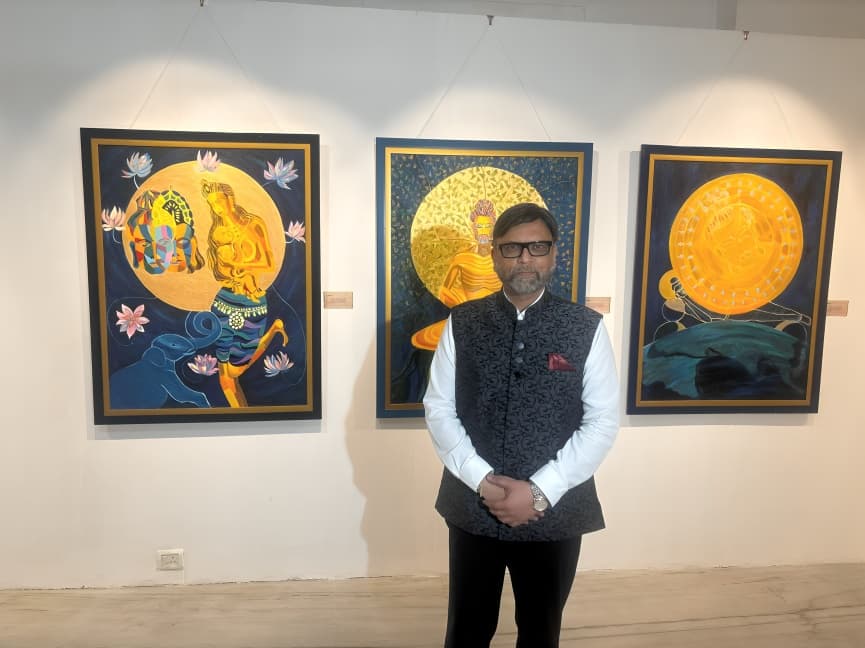
In India, a country with a rich history of diverse traditional art forms such as Madhubani, Warli, Pattachitra, and more, the balancing act between modernization and preservation has become a matter of cultural significance. While artists are exploring innovative ways to merge tradition with modern techniques, it is crucial that efforts to modernize do not overshadow the deeper cultural meanings these arts represent.
Ultimately, the preservation of traditional art in the face of modernization requires a thoughtful approach. By fostering conversations between artists, cultural institutions, and the public, it is possible to strike a balance that honors the past while embracing the future. The key lies in appreciating and understanding the value of heritage while finding ways to keep it relevant in an ever-evolving world.