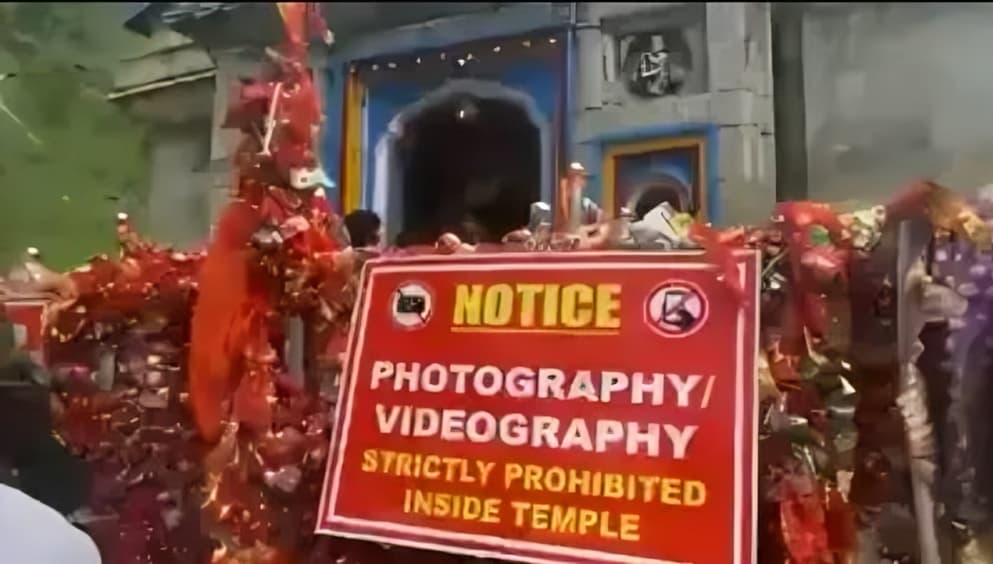
The holy festival of Shardiya Navratri is being celebrated with great devotion and enthusiasm across India, and Jammu is no exception. On this auspicious occasion, hundreds of devotees thronged the historic Kali Temple in Jammu to offer their prayers and seek the blessings of Goddess Kali. The temple, known for its centuries-old traditions and spiritual significance, became a focal point of celebration as chants, hymns, and devotional songs filled the air.
From the early hours of the morning, devotees lined up at the temple premises, carrying flowers, incense sticks, and offerings as part of the rituals. The temple priests conducted special pujas dedicated to Goddess Kali, symbolizing the divine feminine energy and the victory of good over evil. Women, men, and children participated with equal zeal, reinforcing the sense of unity and spirituality that Navratri brings each year.
Local authorities, anticipating a large turnout, had made elaborate arrangements for the safety and convenience of the devotees. Security personnel were deployed in and around the temple to ensure smooth crowd management. Sanitation facilities and adequate lighting were arranged to provide a comfortable environment. Volunteers from various community organizations also assisted in guiding visitors and distributing prasad.
The Kali Temple in Jammu holds a special place in the hearts of devotees, especially during Navratri. This historic shrine has witnessed countless generations offering prayers during the nine days of the festival, which is dedicated to the worship of Goddess Durga and her manifestations. The temple’s sanctity and heritage attract not only local devotees but also visitors from neighboring regions who come to seek divine blessings.
Navratri in Jammu, much like in the rest of India, is marked by cultural programs, devotional music, and community gatherings. While some devotees observe fasts and perform daily rituals at home, many make it a point to visit temples such as the Kali Temple to participate in collective prayers. The spirit of Navratri is not only spiritual but also cultural, as families and communities come together to celebrate faith and tradition.
The significance of Shardiya Navratri lies in the belief that the nine days represent the triumph of good over evil and the worship of different forms of the Goddess. Each day is dedicated to a specific manifestation of Durga, with rituals and prayers varying accordingly. The celebrations at the Kali Temple echo this devotion, with the faithful expressing gratitude and seeking strength for the days ahead.
The vibrant atmosphere at the temple reflects the broader cultural heritage of Jammu, where festivals are celebrated with deep reverence and collective participation. As the Navratri celebrations continue, the temple is expected to draw even larger gatherings, adding to the spiritual fervor of the region.
In essence, the Shardiya Navratri celebrations at the Kali Temple in Jammu are not just about rituals, but also about community, culture, and the enduring faith of devotees who come together to honor the Goddess during this sacred time.