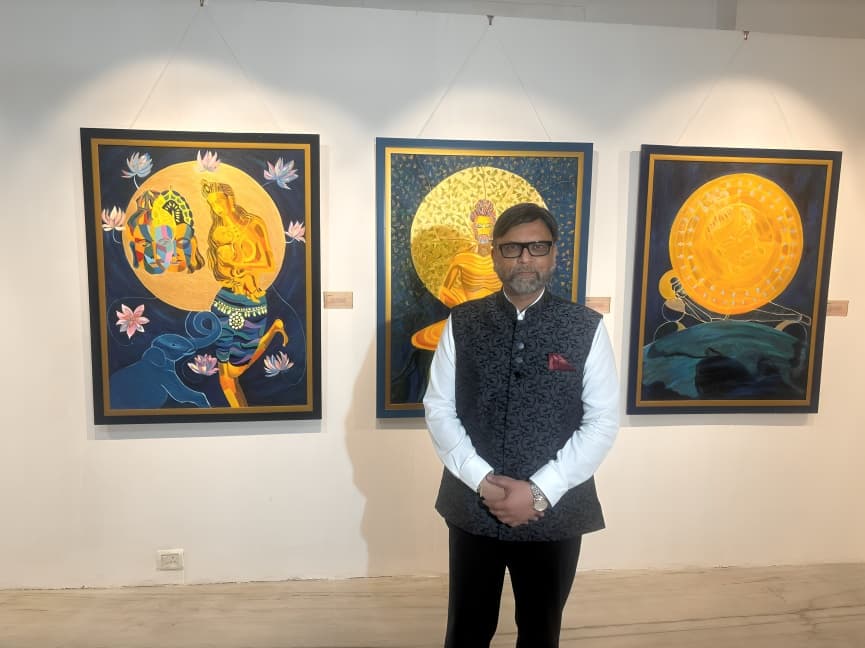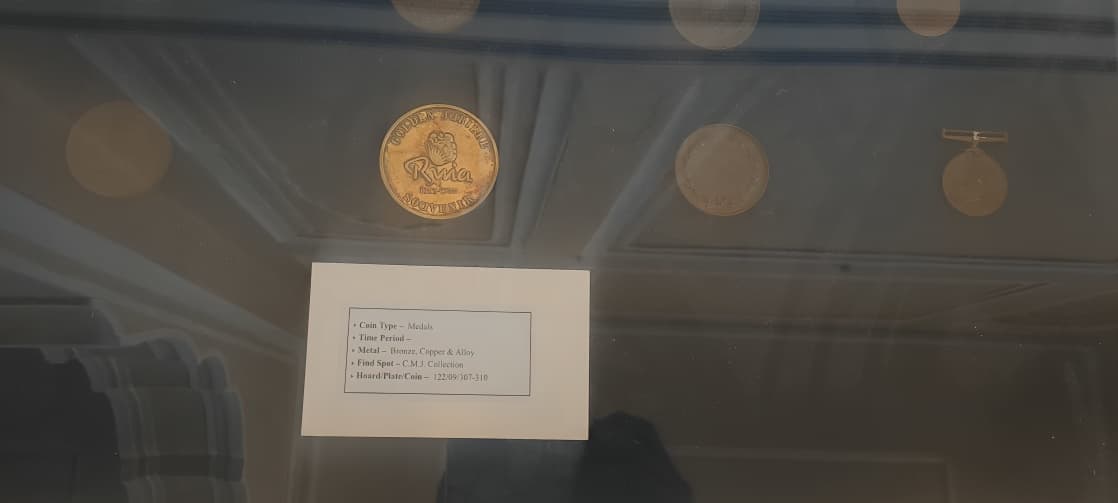
Jaipur, Rajasthan — A unique exhibition featuring ancient and historic coins from various periods in Indian history has opened at the Hawa Mahal monument in Jaipur. Organised by the Department of Archaeology and Museums, Government of Rajasthan, this display forms part of the ongoing Rajasthan Diwas 2026 events. The exhibition brings together 154 coins crafted from gold, silver and copper, representing multiple eras of India’s economic and cultural development.
The exhibition, set up within the heritage precincts of Hawa Mahal, traces the evolution of currency from early historic times to the colonial era. Visitors can see evidence of monetary practices that evolved over centuries, reflecting shifts in political power, trade, artistic styles and economic systems. The exhibition serves as a rare opportunity to view significant numismatic artefacts in a public setting, many of which illustrate the diversity of India’s monetary history.
Officials associated with the event emphasised the importance of such displays in educating the public about India’s rich cultural heritage. The showcased coins include early historic pieces dating back to around the 6th century BCE — a period when coinage first began to emerge in the subcontinent — as well as examples from medieval kingdoms, regional principalities and the colonial period that ended in the mid‑20th century. The variety of materials, designs and inscriptions on these coins offers insights into the artistic and economic priorities of different eras.
Hawa Mahal itself, constructed in 1799 by Maharaja Sawai Pratap Singh, is one of Jaipur’s most iconic landmarks. Known as the “Palace of Winds”, it was designed with a fine network of small windows and balconies to allow cool air to flow through and provide secluded views for members of the royal household. The palace’s internal museum and displays offer additional historical insights into the region’s past.
The exhibition has drawn visitors from across Rajasthan and beyond, including students, scholars of history and numismatics, tourists and local residents. Many attendees expressed appreciation for the opportunity to view such a broad chronological array of coins in one venue, noting how the show illustrates the continuity and changes in India’s monetary systems. Some visitors commented on the educational value of the exhibition for young learners, particularly in helping them connect historical narratives with tangible artefacts.
The Department of Archaeology and Museums noted that displays like this help promote heritage awareness and foster a deeper understanding of how currency played a role in trade, governance and culture throughout Indian history. The displays also encourage interest in numismatics as a field of study, supporting efforts to preserve and interpret historical artefacts for future generations.
The exhibition at Hawa Mahal will continue for a limited time alongside the Rajasthan Diwas 2026 festivities, offering a rare public glimpse into the story of India’s coins and currency from ancient to modern periods.