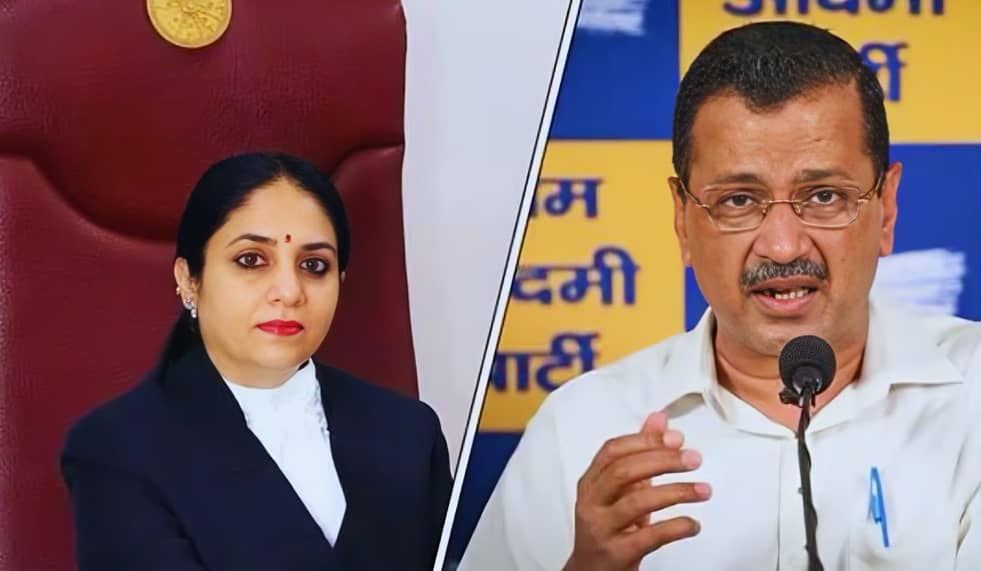
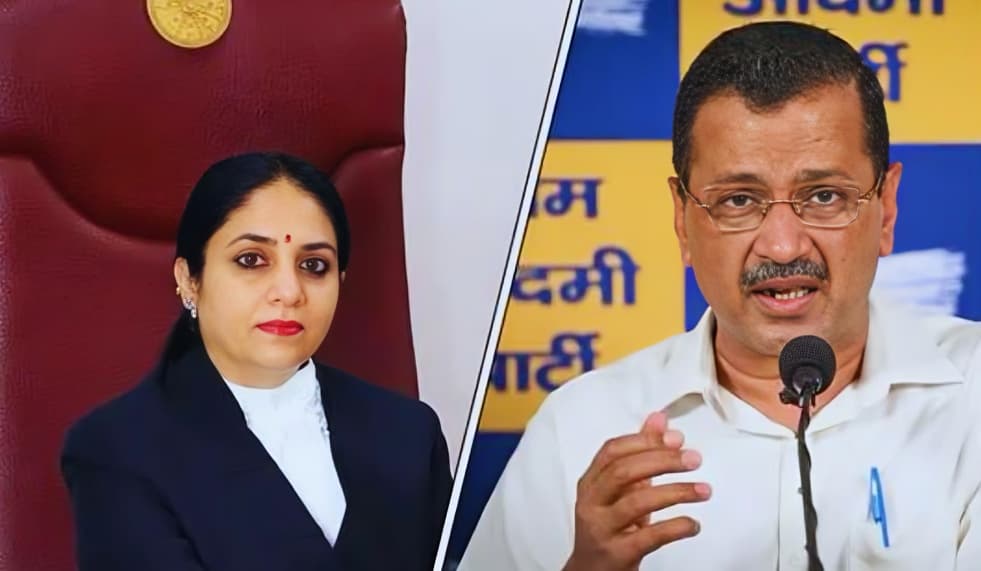
Delhi Chief Minister Arvind Kejriwal has filed an additional affidavit in court requesting the recusal of Justice Swarana Kanta Sharma from hearing matters related to the excise policy case. The request is based on concerns raised by Kejriwal regarding a possible conflict of interest and apprehension of bias in the proceedings.
In the affidavit, Kejriwal stated that the judge’s son and daughter are empanelled as central government counsels. He further noted that they have been assigned work by the Solicitor General, who has appeared for the Central Bureau of Investigation in matters connected to the case. According to Kejriwal, this professional association could raise questions about impartiality, even if no actual bias exists.
Kejriwal argued that in judicial proceedings, maintaining public confidence in fairness and neutrality is essential. He stated that even the perception of a conflict of interest could affect trust in the judicial process. On this basis, he has requested that Justice Swarana Kanta Sharma step aside from hearing the case.
The excise policy case has been a significant legal and political issue, drawing attention from multiple agencies and political parties. The Central Bureau of Investigation and other investigative bodies have been examining aspects related to the formulation and implementation of the policy. The matter has also been subject to various legal challenges and hearings.
Legal experts note that requests for recusal are not uncommon in cases where parties believe there may be a conflict of interest or a reasonable apprehension of bias. Courts generally consider such requests carefully, balancing the need for judicial independence with the importance of maintaining public confidence in the legal system.
The Solicitor General, as a senior law officer representing the central government, often appears in high profile cases. Kejriwal’s argument is based on the professional connection between the law officer and the judge’s family members, which he believes could create a perceived conflict.
However, the decision on whether to recuse rests with the judge concerned, who will assess the merits of the request in accordance with legal principles and established practices. The court may also consider whether the circumstances presented are sufficient to warrant withdrawal from the case.
The development adds a new dimension to the ongoing legal proceedings related to the excise policy case. It also highlights broader discussions around judicial transparency, ethics, and the standards required to ensure fairness in legal processes.
Political reactions to the affidavit have varied, with some viewing it as a legitimate legal step and others questioning its timing and intent. The issue is expected to be examined in court, where all parties will have the opportunity to present their arguments.
The outcome of this request could have implications not only for the current case but also for how similar concerns are addressed in future legal proceedings. As the matter progresses, it will continue to attract attention from legal observers and the public.