
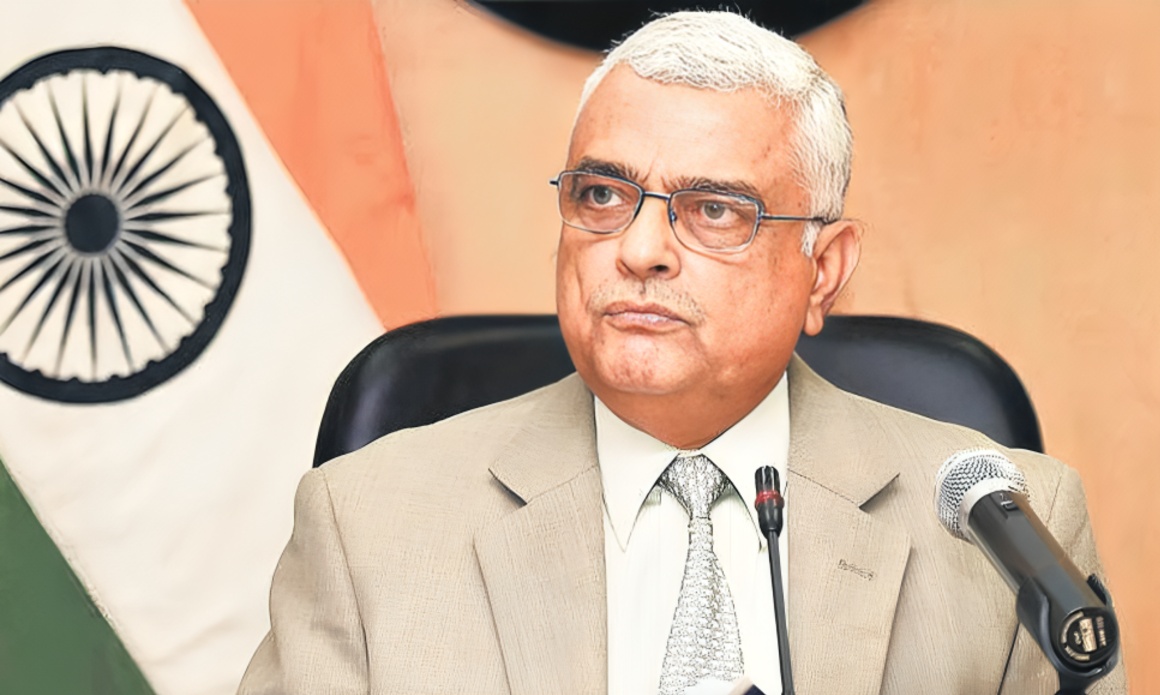
Former Chief Election Commissioner OP Rawat has reacted to reports of differences within the Election Commission of India over the ongoing Special Intensive Revision of electoral rolls, or SIR. Rawat described the reported disagreement as unfortunate and questioned why the concerns were raised several months after the process had begun.
The remarks come at a time when the SIR exercise has become a major subject of discussion in connection with electoral roll verification. The Election Commission has said that the revision process is intended to update electoral rolls and ensure that voter records are properly verified. The Commission has also described SIR as a participatory exercise involving electors, political parties and election officials.
Rawat, who served as Chief Election Commissioner in 2018, has raised questions about the timing of concerns reportedly expressed by two Election Commissioners. According to reports, he questioned why the commissioners waited for around 10 months before raising their concerns. His comments were made in the context of the reported differences over the implementation and handling of SIR.
The reported disagreement has emerged amid growing scrutiny of the Election Commission’s electoral roll revision process. In Delhi, the ongoing SIR has resulted in notices being issued to a large number of voters under a category described as “logical discrepancies.” The Delhi Chief Electoral Officer’s office has said that receiving such a notice does not automatically mean that a voter’s name will be removed from the electoral roll.
According to Hindustan Times, around 3.31 million voters in Delhi had been issued notices during the SIR process, with approximately 1.9 million flagged under the logical discrepancy category. The category includes several different grounds on which voter records may require verification. The notice and disposal process is continuing, with voters being given an opportunity to respond and establish their eligibility.
Rawat has separately expressed concerns about the way the logical discrepancy category is being used. In an interview, he said the category was originally intended to help identify cases involving questions about voter eligibility but had subsequently been used for a wider range of discrepancies. He also raised concerns about transparency and the potential impact of the process on voters who may have fewer resources to respond to official notices. These are Rawat’s views and do not represent an official finding of the Election Commission or a court.
The Election Commission, meanwhile, has maintained that the SIR process is being conducted with the participation of stakeholders. In its May 2026 press note on the third phase of SIR, the Commission said the exercise would involve Booth Level Officers going door to door and political parties appointing Booth Level Agents. The Commission described the process as participatory and called for the involvement of political parties to help ensure transparency and full participation.
The issue has also reached the Supreme Court. On September 22, the Supreme Court questioned the Election Commission about the basis on which notices were being issued under the logical discrepancy category during the Delhi SIR exercise. The court sought the Commission’s response to petitions challenging aspects of the revision process.
The court proceedings have added another layer to the public discussion surrounding the SIR exercise. Petitioners have raised questions about the electoral roll revision process and the basis for notices issued to voters. The Election Commission’s response and further proceedings will determine how the legal challenges develop.
Rawat’s latest comments should therefore be viewed in the context of both the internal concerns reportedly raised within the poll panel and the broader public and legal debate over SIR. His question about the timing of the reported concerns focuses on whether issues relating to the process should have been raised earlier.
The former CEC’s remarks have attracted attention because of his previous experience heading the Election Commission. However, his comments are an individual assessment and should be distinguished from the official position of the current Election Commission and any findings that may emerge from ongoing judicial proceedings.
The SIR exercise is being carried out in phases across several states and Union Territories. The Election Commission’s May 2026 announcement said the third phase would cover 16 states and three Union Territories, with more than 36 crore electors included in that phase. The Commission said more than 3.94 lakh Booth Level Officers would conduct house to house verification, assisted by Booth Level Agents appointed by political parties.
As the revision process continues, the focus is likely to remain on how voter notices are issued, how voters can respond to them, and how electoral authorities handle disputed or incomplete records. The Supreme Court proceedings and the Election Commission’s responses will also remain important to the legal and administrative debate surrounding SIR.
For voters, the central issue is the verification of electoral records and the opportunity to respond when discrepancies are identified. The Election Commission has stated that a notice itself does not automatically result in deletion from the electoral roll. The ongoing proceedings are expected to provide further clarity on the procedures and safeguards applicable during the revision process.