
The annual Summary Revision of electoral rolls for 2026 to 27 has reportedly remained pending, raising concerns about the timely addition of newly eligible young voters to electoral rolls across India.
According to a report published by The Economic Times on September 24, 2026, the annual Summary Revision has not resumed after the 2024 cycle. The report attributes the delay to differences within the Election Commission of India over the timing of the exercise amid the Special Intensive Revision being conducted in several states.
The annual Summary Revision, commonly referred to as SSR, is an important process through which electoral rolls are updated. It allows eligible citizens who have reached voting age to seek inclusion in the electoral roll and also provides an opportunity to correct or update existing voter information.
The issue has gained particular attention because of its relevance to young people turning 18. Under the current system, citizens can qualify for voter registration on four dates in a year. These qualifying dates are January 1, April 1, July 1 and October 1. This system was introduced to provide eligible citizens with more opportunities to become registered voters instead of having to wait for a full year because they missed a single qualifying date.
The Economic Times report states that Election Commissioners Sukhbir Singh Sandhu and Vivek Joshi have supported resuming the annual Summary Revision. The report says the two Election Commissioners conveyed their views on the need to restart the exercise and referred to the Election Commission’s own electoral roll procedures. The matter reportedly remains pending at the level of the Chief Election Commissioner.
The annual revision has traditionally followed a structured timetable. According to official Election Commission procedures, the process generally begins with pre revision activities, followed by preparation and publication of draft electoral rolls. Citizens are then given an opportunity to submit claims and objections before the final electoral roll is published.
For the 2025 revision, for example, the Election Commission announced that the annual revision would be carried out with January 1, 2025, as the qualifying date in most states and Union Territories. The official schedule included house to house verification, correction of electoral roll discrepancies, publication of draft rolls, a period for claims and objections and final publication of the electoral roll.
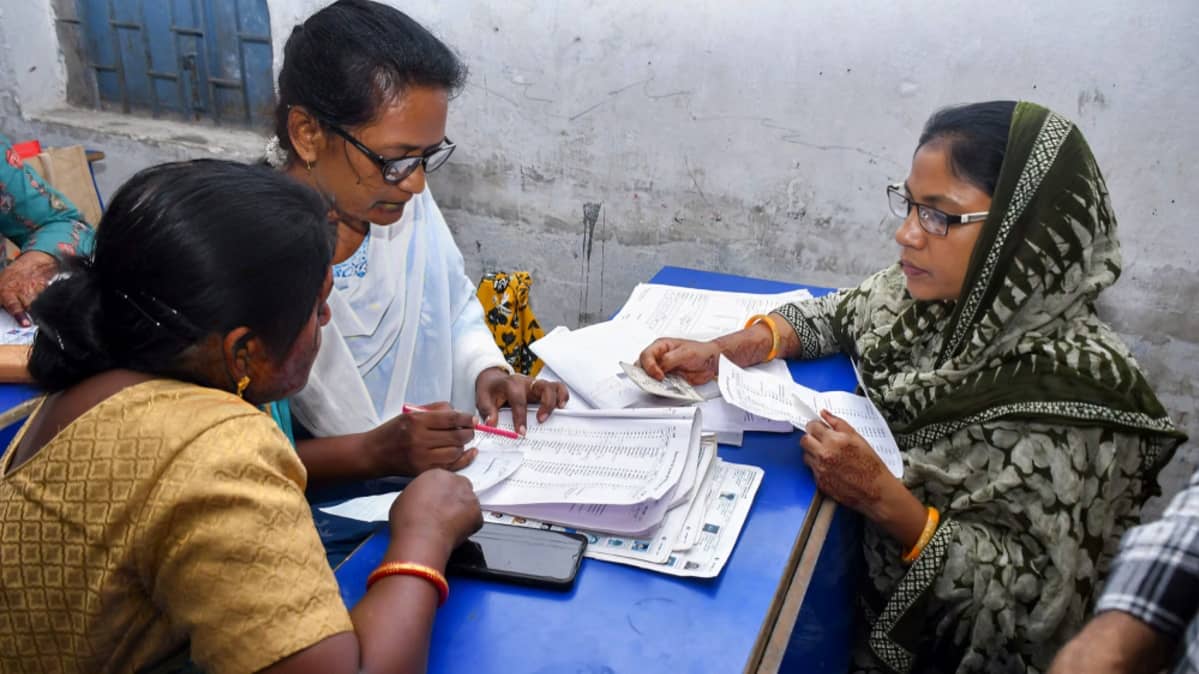
The process is particularly relevant to first time voters. During house to house verification and other pre revision activities, election officials can identify eligible citizens who have not yet been enrolled. The process can also help identify duplicate entries, deceased electors, voters who have permanently shifted residence and other discrepancies in electoral records.
The current controversy is linked to the Special Intensive Revision, or SIR, which has been taking place in several states. SIR is a separate and more intensive electoral roll exercise. The Economic Times report says the launch of SIR in Bihar in 2025 was followed by the pause in the regular annual Summary Revision. The report states that the annual SSR was not resumed in 2025 to 26 and that the 2026 to 27 exercise has also not proceeded according to the usual timetable.
The delay has generated concern because electoral rolls need to be regularly updated to reflect changes in the electorate. Young citizens reaching the age of 18 represent a new group of potentially eligible voters each year. A delay in the regular revision process may therefore affect the timing of their inclusion, although eligibility for registration is governed by electoral law and prescribed procedures.
The issue is also significant for states that are preparing for future elections. The Economic Times report notes that states facing Assembly elections may require updated electoral rolls before the election process begins. It specifically discusses states such as Uttar Pradesh and Goa, as well as states where SIR is still being undertaken. The report also notes that Bihar, which was the first state to undergo SIR, has gone about a year since its previous roll revision.
Another reported consequence concerns election administration. The Economic Times has reported that the disagreement over the revision process has also affected the clearance of annual confidential reports of nearly 50 officials who were transferred during 2025 to 26. The report says the reports require the signatures of the Chief Election Commissioner and the Election Commissioners and that some remained pending.
The reported differences within the Election Commission have become part of a broader political debate over the functioning of the poll panel and the revision of electoral rolls. Opposition parties have raised concerns about voter registration, deletion of names and the procedures used during SIR. The Election Commission has maintained that its decision making follows established procedures and has rejected suggestions that internal observations necessarily indicate a breakdown in its final decision making.
The latest issue specifically concerns whether the annual Summary Revision should resume alongside or after the Special Intensive Revision process. The Economic Times report says the Chief Election Commissioner had sought legal advice on whether an SSR was required while SIR was underway. Following that, the two Election Commissioners reportedly maintained that the annual revision should resume.
The importance of the issue extends beyond the registration of first time voters. Regular electoral roll revision also provides an opportunity to correct errors in voter details, update photographs, identify duplicate records and remove entries relating to deceased or permanently shifted electors through the prescribed procedures.
The Election Commission’s established revision process also includes a claims and objections period. This allows citizens and other stakeholders to raise concerns about entries in the electoral roll before the final list is published. The official 2025 revision schedule demonstrates how these stages are incorporated into the electoral roll updating process.
As the debate continues, the key issue is when the annual Summary Revision for 2026 to 27 will be formally announced and implemented. The timing will be significant for citizens who have recently become eligible to vote, as well as for existing voters who need to update or correct their electoral information.
For eligible citizens, voter registration and corrections continue to be governed by the procedures prescribed by the Election Commission. The reported delay in the annual revision should therefore be understood as an issue concerning the timing and administration of the electoral roll exercise rather than a determination that eligible citizens have permanently lost their right to register or vote.