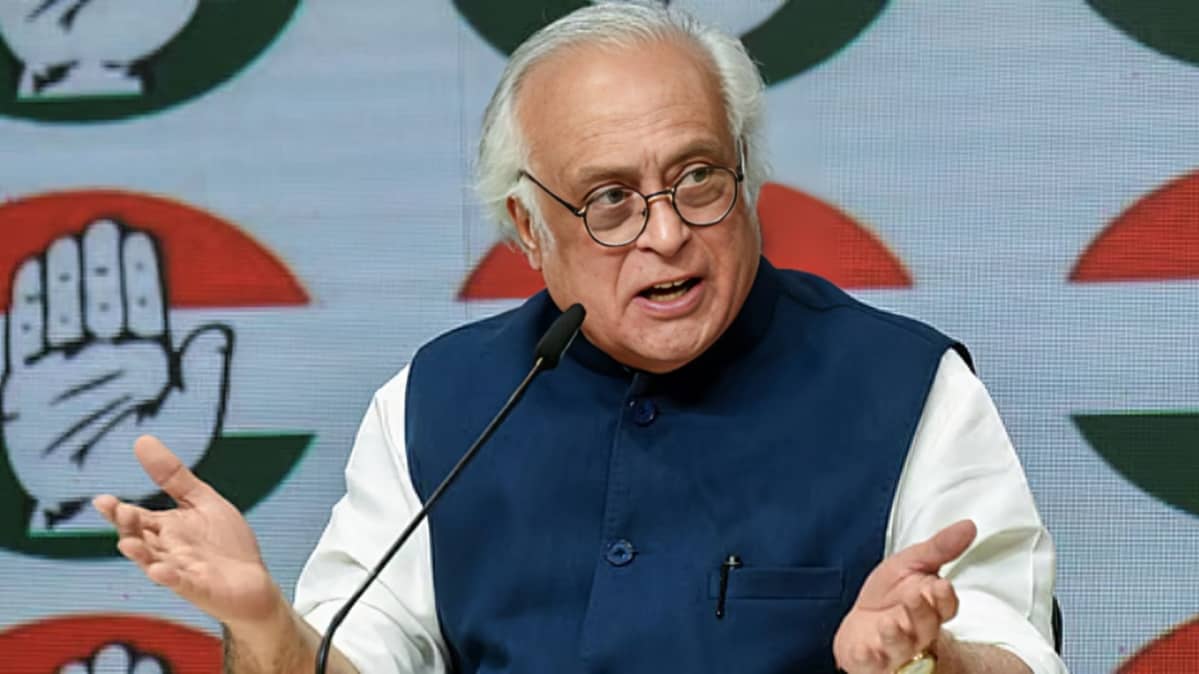
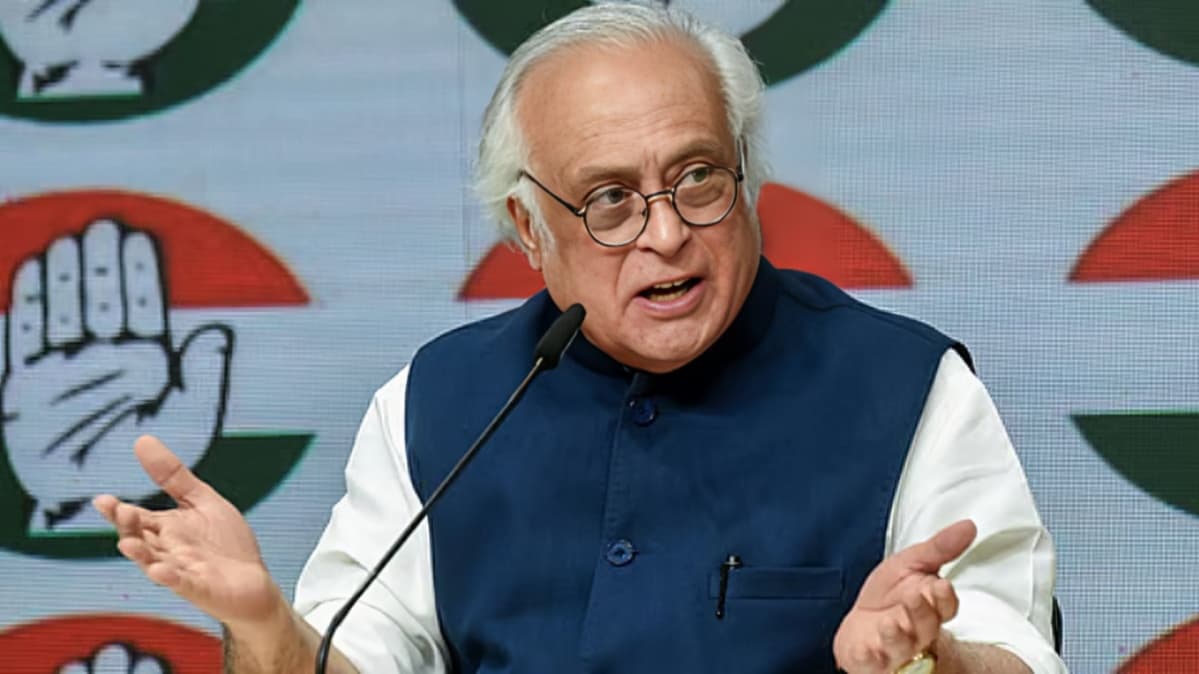
Congress leader Jairam Ramesh has raised concerns about a reported proposal to use Voter ID instead of Aadhaar for accessing government welfare schemes. Questioning the Centre's reported initiative, he warned that changing the identification system could create additional difficulties for beneficiaries who depend on government assistance.
The issue has brought attention to the role of identity documents in delivering welfare benefits in India. Aadhaar is widely used as an identity verification mechanism for several government services and welfare programmes. Voter ID, meanwhile, is primarily associated with voter identification and the electoral process.
According to the supplied report, Ramesh believes that replacing Aadhaar with Voter ID could affect the intended role of the existing identification system. He also pointed out that beneficiaries have already faced difficulties under Aadhaar-based arrangements and expressed concern that introducing another form of identification could make access to essential benefits more complicated.
Congress Leader Raises Questions About the Centre's Proposal
Jairam Ramesh has questioned the Centre over the reported plan to use Voter ID for welfare programmes. His criticism focuses on whether the proposed change would address existing problems or create further challenges for people receiving government assistance.
Ramesh has argued that Aadhaar-based systems have already caused difficulties for some beneficiaries. These concerns are particularly important because people who depend on welfare programmes need reliable access to the services and assistance intended for them.
The Congress leader has cautioned that replacing Aadhaar with Voter ID may not automatically resolve the problems associated with identity verification. Instead, he believes the change could introduce additional complications in the process of accessing benefits.
His remarks also raise a broader policy question about how the government should select and use identity documents for different public services. Any change to an identification system needs to consider the practical difficulties faced by beneficiaries, particularly those who may struggle with documentation or verification procedures.
Aadhaar and Its Role in Welfare Delivery
Aadhaar is an identity system used in India for verification across various government services. It is associated with the delivery of several welfare programmes and public services.
The system is intended to help establish an individual's identity when accessing services. However, concerns have been raised over the years about difficulties that some beneficiaries may encounter during authentication and verification.
Such difficulties can become significant when access to a welfare benefit depends on successful identity verification. People who experience problems with their identification details or authentication may face delays or obstacles while trying to receive assistance.
Ramesh referred to these existing challenges while questioning the reported proposal. His concern is that introducing Voter ID as an alternative could add another layer of complexity instead of making welfare access easier.
The debate therefore involves more than the choice between two identity documents. It also concerns the reliability of verification procedures, the accessibility of government services and the ability of beneficiaries to receive assistance without unnecessary obstacles.
Voter ID Has a Different Primary Purpose
Voter ID is primarily used to establish the identity of eligible voters during the electoral process. It is connected to voter identification and the administration of elections.
Aadhaar and Voter ID serve different purposes within India's public administration system. While Aadhaar is used for identity verification across various services, Voter ID is closely associated with electoral participation.
The reported proposal to use Voter ID for welfare programmes has therefore attracted attention because it could expand the role of an existing electoral identity document.
Ramesh's concerns highlight the need to examine whether Voter ID would be suitable for the requirements of welfare delivery. Any such decision would need to consider how beneficiaries are identified, how their details are verified and what arrangements would be available if they encounter difficulties.
The supplied report does not provide the technical details of the proposal, including which welfare schemes may be covered or how the proposed verification process would work. It is therefore not possible to establish the exact changes that beneficiaries might experience.
Concerns About Access to Essential Benefits
One of the main issues raised by Ramesh is the possibility that changing the identification process could affect access to essential welfare benefits.
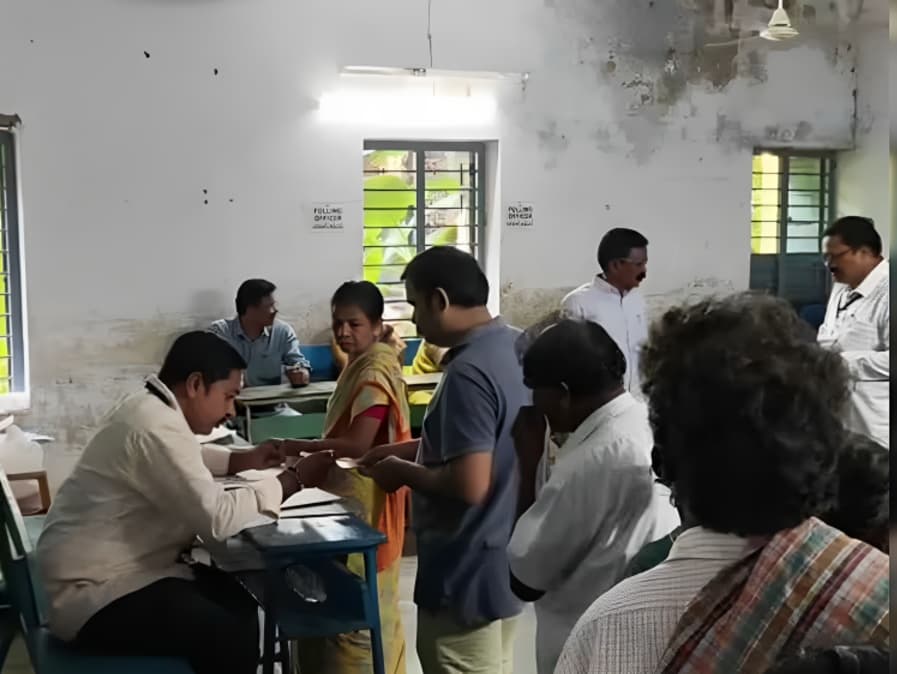
Government welfare programmes are designed to provide assistance to eligible individuals and families. For beneficiaries, the ability to complete identification and verification procedures is an important part of receiving that assistance.
If a new identification requirement creates confusion or additional documentation demands, some people may find it harder to complete the process. This is why changes to welfare verification systems need to be assessed carefully before implementation.
Ramesh's warning is based on the difficulties that beneficiaries have reportedly experienced under the Aadhaar system. He believes that introducing Voter ID as a replacement could worsen existing concerns rather than solve them.
The issue also highlights the importance of providing clear procedures and alternative arrangements for people who cannot complete digital or document-based verification. A welfare system needs to remain accessible to eligible beneficiaries, including those who face practical difficulties with identification.
Electoral Integrity Also Enters the Debate
Ramesh's concerns extend beyond welfare delivery to questions surrounding electoral integrity. The reported proposal involves using a document closely connected to the electoral process for accessing government benefits.
This has raised broader questions about the relationship between identity verification and election-related records. Voter ID is used in the context of elections, while welfare programmes have their own eligibility and verification requirements.
The use of electoral identification for welfare purposes could lead to further public discussion about how voter information is handled and how different government systems interact.
However, the supplied report does not explain the specific electoral concerns raised by Ramesh or provide details of any proposed changes to voter records. His comments should therefore be understood as political concerns about the reported initiative rather than evidence of any confirmed impact on electoral integrity.
Centre's Position and Details Awaited
The supplied information does not include a detailed response from the Central Government explaining the reported proposal. It also does not specify whether the initiative has been formally approved, which welfare schemes could be affected or when any change might take effect.
These details are important for understanding the proposal's possible impact. The distinction between a preliminary proposal and an approved policy must also be maintained when reporting on government initiatives.
Until further details are officially clarified, the reported plan should not be treated as a confirmed nationwide replacement of Aadhaar with Voter ID for welfare programmes.
The debate has nevertheless brought attention to important questions about identity verification, access to public assistance and the use of government identification documents. Ramesh's criticism reflects concerns about ensuring that changes to administrative systems do not create additional barriers for people who depend on welfare support.
The key issue will be whether any proposed change can improve the delivery of government benefits while protecting beneficiaries from unnecessary verification difficulties. Clear rules, accessible procedures and reliable alternatives will remain important considerations in any decision involving identity documents and welfare schemes.