
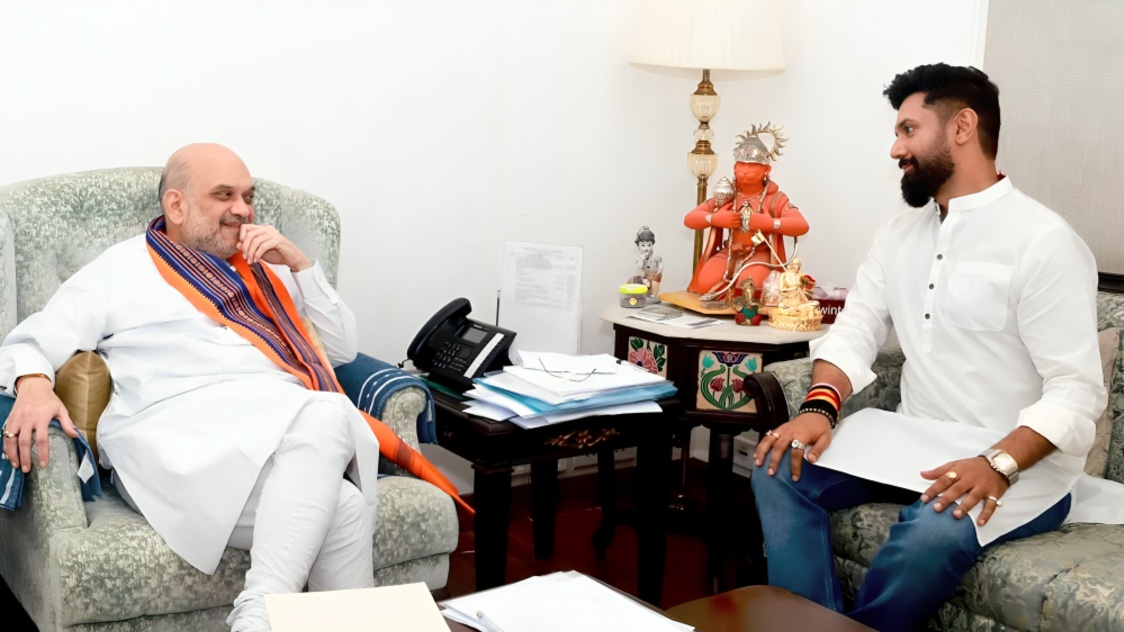
The debate over the implementation of the Uniform Civil Code has gained fresh political attention within the National Democratic Alliance after Union Home Minister Amit Shah outlined a broader plan for UCC implementation in NDA ruled states.
The Janata Dal United has indicated that its leaders will meet Amit Shah to discuss the issue. JDU working president Sanjay Jha is expected to hold discussions with the Union Home Minister regarding the proposed implementation of the Uniform Civil Code and the concerns surrounding its application in Bihar.
The development is significant because the JDU has previously maintained that such an important issue requires wider consultation. The party has expressed the view that discussions with different sections of society should take place before any decision is taken on implementation.
The Uniform Civil Code is a proposal aimed at having a common set of personal laws for citizens, particularly in matters such as marriage, divorce, inheritance and related family issues. The subject has remained politically sensitive because personal laws are connected with religious practices, community traditions and social customs.
The latest political discussion follows Amit Shah's statement that the UCC would be implemented in all NDA ruled states before the 2029 Lok Sabha elections. The statement has brought the issue back into focus among BJP allies, with different parties expressing varying views on the timing and process of implementation.
Chirag Paswan, leader of the Lok Janshakti Party Ram Vilas and a Union minister, has also called for wider consultation on the issue. Paswan has stressed the importance of taking the views of different stakeholders into consideration before moving forward. His position reflects the view among some NDA partners that the implementation process should involve discussions with communities and other affected groups.
The issue has also drawn attention from other NDA allies. The Telugu Desam Party has indicated that discussions would be necessary before taking a final position on the matter. These differing positions indicate that the BJP may need to engage with its coalition partners as it works toward its stated objective of expanding UCC implementation.
The BJP's current approach is increasingly focused on state-level implementation. Rather than immediately pursuing a single nationwide law through Parliament, the party is looking at implementation through individual states where the NDA is in power or has political influence. This approach allows state governments to consider their own legislative processes while the broader national debate continues.
Uttarakhand has already implemented a Uniform Civil Code, making it an important reference point in the current discussion. Other states are also examining or pursuing measures related to the UCC through their respective legislative processes.
For the JDU, the issue has particular importance because Bihar has a diverse social and religious population. Any proposal to introduce the UCC in the state could therefore require detailed discussions with political parties, community representatives and other stakeholders.
The proposed meeting between JDU leaders and Amit Shah is expected to provide an opportunity for the party to communicate its concerns and seek greater clarity on the Centre's plans. The discussions could also indicate how the BJP and its allies intend to coordinate their positions on the issue.
At the same time, Chirag Paswan's call for wider consultation has added another dimension to the NDA's internal discussion. While the BJP has presented the UCC as an important reform aimed at creating greater uniformity in personal laws, some alliance partners have emphasised the need to consider India's social and cultural diversity.
The issue is therefore likely to remain an important subject of political discussion in the coming months. The positions taken by NDA partners, the response from different communities and the legislative steps taken by individual states will determine how the UCC debate develops.