Karnataka Plans KPSC Overhaul Amid Recruitment Irregularities Case
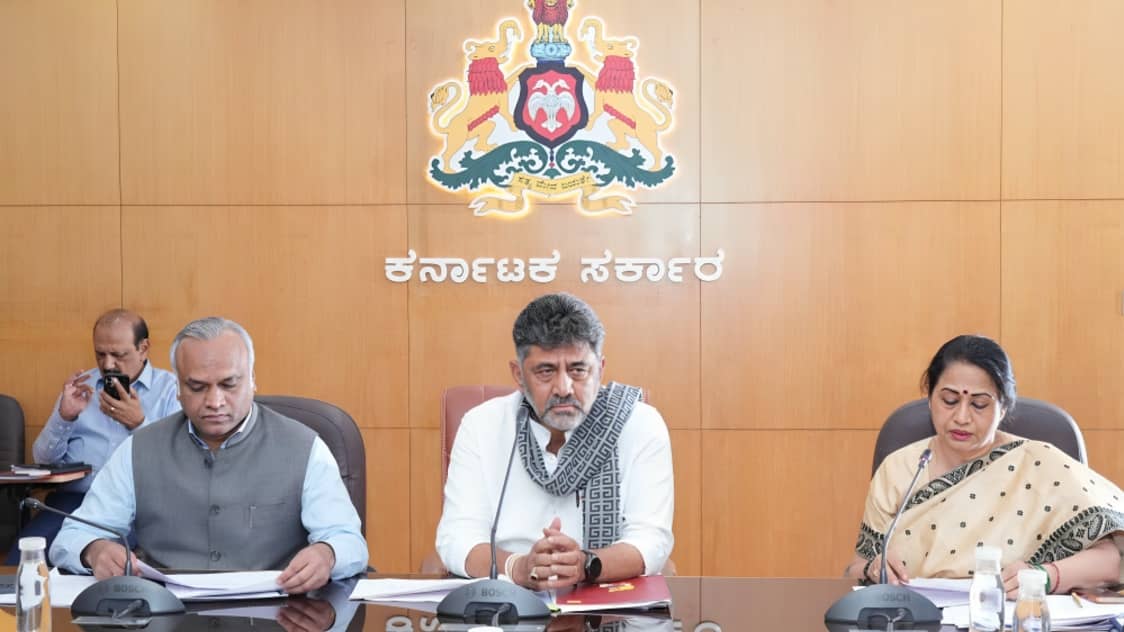
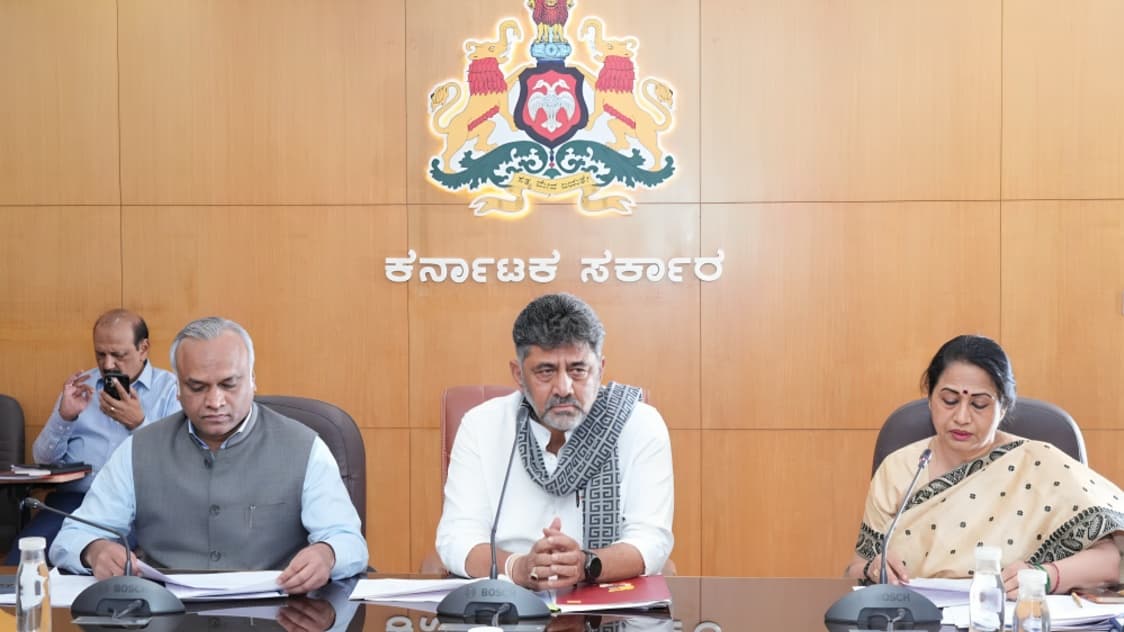
Karnataka Chief Minister DK Shivakumar has announced plans to revamp the Karnataka Public Service Commission to prevent examination irregularities and ensure a fair and transparent recruitment process. The announcement comes as investigators continue to examine alleged corruption and question paper leaks linked to recruitment examinations conducted through the commission.
Shivakumar said a committee had been formed to recommend measures to prevent irregularities and improve the functioning of the KPSC. He also stated that permission had been granted for further interrogation in connection with the case. Separately, the state government has approved prosecution against suspended Indian Administrative Service officer Gyanendra Kumar Gangwar over alleged irregularities in the recruitment process.
Government Plans Structural Reforms to KPSC
The Karnataka Public Service Commission plays an important role in the state's public recruitment system. Its examinations help determine appointments to various government positions, making transparency and fairness essential to maintaining public confidence.
Speaking to the media in Bengaluru, Shivakumar said the commission needed to be given a new form to prevent recurring irregularities. He indicated that the government would consider recommendations from a committee formed to examine ways to address problems associated with the recruitment process.
The proposed reforms are intended to strengthen examination integrity and ensure that candidates are selected through a fair process based on merit. The committee's recommendations are expected to inform the government's next steps, although a detailed implementation plan and timeline have not yet been established in the available report.
Allegations in Veterinary Officer Recruitment Case
The investigation concerns alleged irregularities in the KPSC examination conducted on January 8 and 9, 2026, for the recruitment of 400 Veterinary Officers.
According to reports citing the investigation, question papers were allegedly leaked to candidates before the examination. Investigators are examining allegations that some candidates obtained access to the papers through intermediaries and that money changed hands in connection with the alleged leak.
The investigation has also examined the alleged involvement of suspended IAS officer Gyanendra Kumar Gangwar, who previously served in a senior role connected with the commission's examination administration.
These remain allegations under investigation. The claims should not be treated as established facts unless confirmed through the legal process.
Prosecution Sanction Issued Against Suspended IAS Officer
The Karnataka government has issued prosecution sanction against Gangwar in connection with the alleged corruption and recruitment irregularities case. The decision was announced by Shivakumar on October 24.
Prosecution sanction is a procedural step that permits the relevant legal process to move forward in cases where such approval is required. It does not, by itself, establish guilt or constitute a conviction.
The Criminal Investigation Department and the Enforcement Directorate have been involved in investigating different aspects of the case. The CID is examining the alleged examination irregularities, while the ED is investigating the financial aspects associated with the allegations.
Further action will depend on the investigation, the evidence gathered and the decisions taken by the competent legal authorities.
Focus on Fair Opportunities for Job Aspirants
The controversy has renewed attention on the challenges faced by candidates preparing for government recruitment examinations. Aspirants often spend considerable time and money preparing for competitive tests, making confidence in the examination process particularly important.
Any proven leak of examination papers or manipulation of recruitment results can undermine trust in public institutions and create concerns about equal opportunities for candidates.
Shivakumar said the government would not tolerate corruption that undermines the credibility of public recruitment. The proposed KPSC reforms are intended to address these concerns and strengthen transparency and accountability.
However, the effectiveness of the proposed changes will depend on the measures ultimately adopted, the safeguards introduced and their implementation in future recruitment examinations.
Committee to Examine Examination System Reforms
The state government has also highlighted broader efforts to improve the examination system. According to Shivakumar, a committee led by Minister UT Khader has been formed to examine reforms, while he and Minister Priyank Kharge have provided guidance on establishing a cleaner examination process.
The recommendations from these efforts could help shape future measures aimed at preventing irregularities. Details about specific reforms, including changes to examination security, evaluation procedures and monitoring mechanisms, will need to be confirmed through official announcements.
What Happens Next?
The immediate developments include the committee's examination of possible KPSC reforms and the continuation of legal proceedings related to the alleged recruitment irregularities.
Investigators will continue to examine the evidence and the alleged roles of those connected with the case. The government is expected to consider the committee's recommendations before determining the next steps in restructuring the commission.
For candidates and the wider public, the key issues will be whether the reforms improve transparency, prevent examination malpractice and ensure that recruitment decisions are based on merit.
The case remains under investigation, and allegations against individuals must be assessed through the established legal process. Further official announcements will be needed to clarify the final reform measures and the progress of the proceedings.