The State Election Commission of Ladakh has announced December 4 as the polling date for elections to all eight Ladakh Autonomous Hill Development Councils. According to the announced schedule, vote counting will take place on December 8. The election announcement comes at a time when several parts of the Union Territory are witnessing protests and shutdowns over concerns related to the timing of the elections and the delimitation exercise.
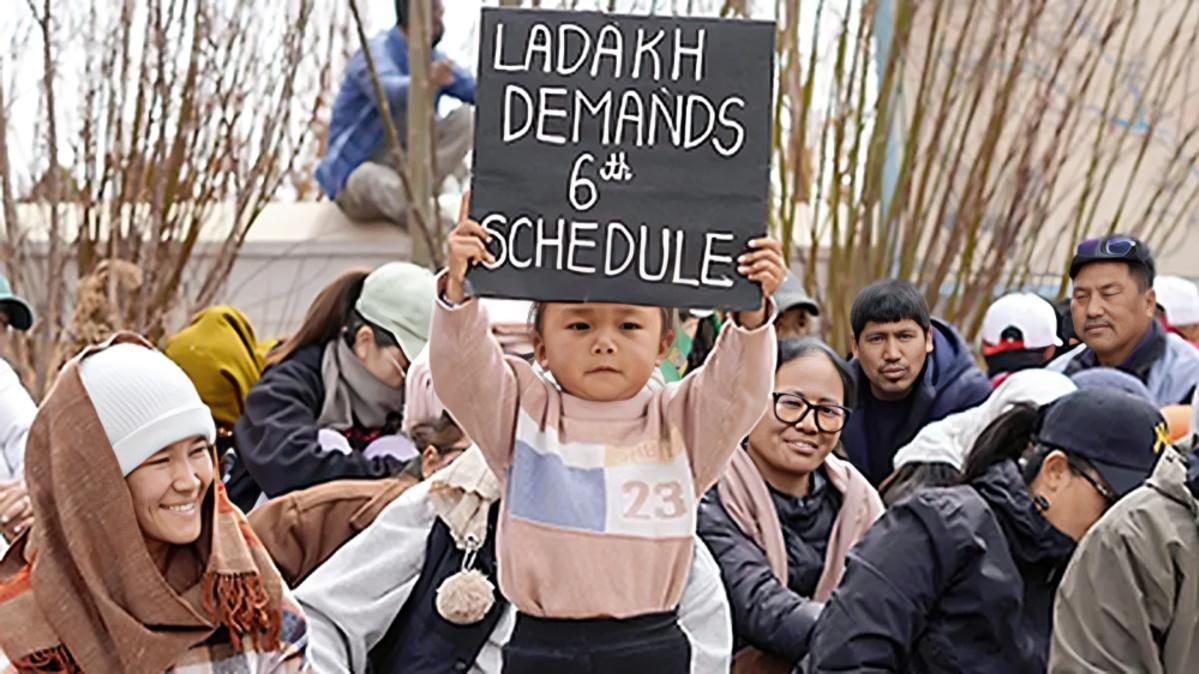
The announcement has brought renewed attention to the political situation in Ladakh, where local organisations have raised objections to conducting elections during the winter season. Protests and shutdowns have been reported in Kargil and Sankoo, reflecting opposition to the proposed election arrangements.
December 4 Fixed for Council Elections
The Ladakh State Election Commission has scheduled December 4 for polling across all eight Ladakh Autonomous Hill Development Councils. The counting of votes is scheduled for December 8.
The announcement marks an important stage in the electoral process for the region's autonomous hill development councils. These councils play a significant role in local administration and development activities, making their elections important for political representation and regional governance.
The election process is expected to determine the representatives who will participate in decision-making on various local development matters. These include infrastructure, public services, regional planning and other issues affecting residents.
With the polling date announced, attention is now focused on the preparations required to conduct elections across the region. The winter conditions in Ladakh are also an important consideration, particularly when it comes to transportation, accessibility and the participation of voters in remote areas.
Protests and Shutdowns in Kargil and Sankoo
The election announcement comes amid protests and shutdowns in Kargil and Sankoo. Local concerns have emerged over the decision to conduct elections during the winter season.
Residents and local organisations have raised objections to the proposed schedule, highlighting the difficulties associated with holding elections during harsh weather conditions. Winter in Ladakh can bring extremely low temperatures, snowfall and challenging road conditions, potentially affecting the movement of voters and election personnel.
The protests indicate that the election schedule has become a significant political issue in the region. The concerns are not limited to the date of polling but also involve the practical arrangements required to ensure a smooth and accessible electoral process.
The shutdowns in Kargil and Sankoo have further highlighted the level of opposition to the proposed arrangements. The situation has placed additional attention on the administration's response to the concerns raised by local groups.
Apex Body Leh Opposes Winter Elections
The Apex Body Leh has expressed opposition to holding elections during the winter season. The organisation has demanded a review of the delimitation exercise, adding another important issue to the ongoing political discussion.
Delimitation refers to the process of determining or revising electoral constituency boundaries. The exercise can influence political representation by changing constituency limits and the distribution of electoral areas.
The demand for a review suggests that the organisation has concerns about the existing delimitation arrangements. Local political representation and the distribution of constituencies are important matters for communities across Ladakh.
The Apex Body Leh's opposition to winter elections has also brought attention to the need to consider local geographical and climatic conditions while preparing the election schedule.
The organisation's demand for a review of delimitation has made the issue more significant, as the election process involves both administrative arrangements and questions concerning regional representation.
Challenges of Conducting Elections During Winter
Conducting elections in Ladakh during winter presents several logistical challenges. The region's mountainous geography and severe weather conditions can make travel difficult, particularly in remote and high-altitude areas.
Snowfall and freezing temperatures may affect road connectivity and transportation facilities. These conditions can create difficulties for election officials, security personnel and voters travelling to polling stations.
Ensuring that all eligible voters can participate is an important requirement of the democratic process. Election authorities must consider accessibility, transportation, security and other arrangements when conducting polls in geographically challenging regions.
The concerns raised by local organisations have therefore brought the practical aspects of the election schedule into focus.
Political Significance of the Upcoming Council Elections
The Ladakh Autonomous Hill Development Councils play an important role in local governance and regional development. Their responsibilities make the election process significant for communities seeking representation in decisions affecting their everyday lives.
The upcoming elections are expected to attract attention from political parties, local organisations and residents across the Union Territory.
However, the protests in Kargil and Sankoo and the objections raised by the Apex Body Leh indicate that concerns over the election schedule and delimitation exercise remain unresolved in the supplied announcement.
With polling scheduled for December 4 and counting set for December 8, the coming days will be important for election preparations and discussions between the authorities and local representatives.
The main focus remains on conducting the council elections while addressing concerns about winter conditions, electoral arrangements and constituency delimitation. The response to these demands will be important in determining the atmosphere surrounding the upcoming elections in Ladakh.