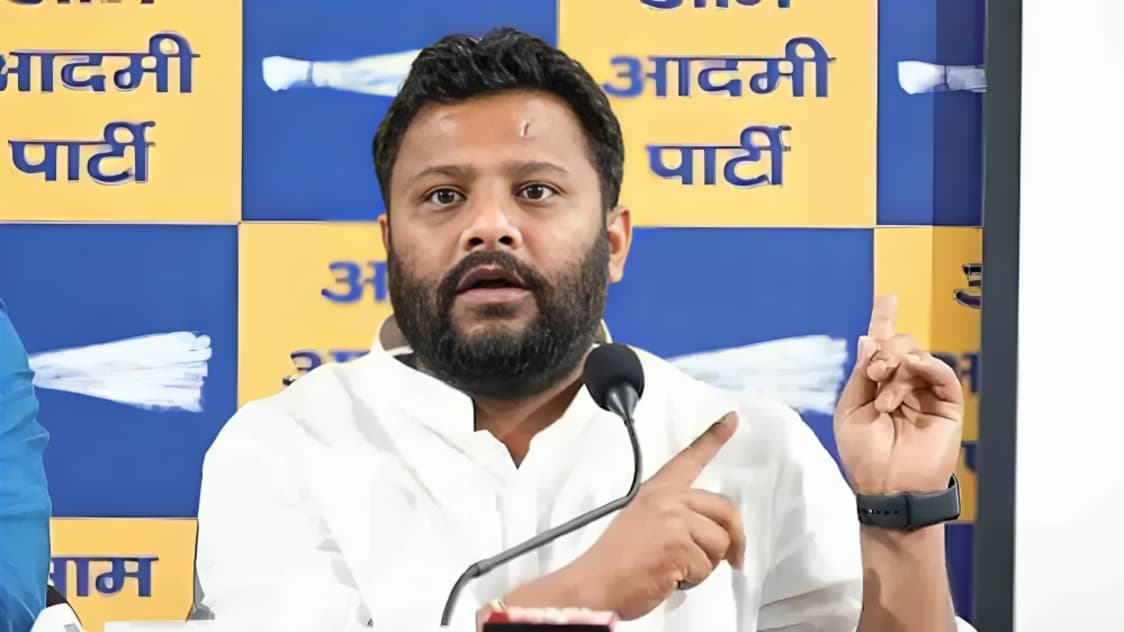

The Lok Sabha Speaker’s Secretariat has issued notices to 20 rebel Trinamool Congress MPs in connection with disqualification petitions filed by Abhishek Banerjee. The development came shortly after the Supreme Court took up the matter and sought responses from the MPs.
The disqualification petitions filed by Abhishek Banerjee seek action against the rebel MPs under the anti defection provisions of the Constitution. The petitions relate to allegations that the MPs left the Trinamool Congress and joined the Nationalist Citizens Party of India.
The notices issued by the Lok Sabha Speaker’s Secretariat represent an important step in the proceedings. The MPs have been asked to respond to the allegations and explain their position in relation to the disqualification petitions.
The timing of the notices is significant because they were issued only hours after the Supreme Court proceedings. The Supreme Court had sought responses from all 20 MPs as it considered the legal issues surrounding Banerjee’s petitions.
The anti defection law is intended to address situations in which elected legislators change political allegiance under circumstances covered by the relevant constitutional provisions. In Parliament, questions concerning disqualification on grounds of defection are generally considered by the presiding officer of the respective House.
In this case, the petitions before the Lok Sabha Speaker concern 20 MPs who are described as rebel members of the Trinamool Congress. Banerjee has argued that their alleged move to another political organisation attracts provisions relating to disqualification.
The MPs, however, will have an opportunity to present their response to the allegations. The notices issued by the Speaker’s Secretariat begin a process in which the claims made in the disqualification petitions and the responses of the concerned MPs can be considered.
The Supreme Court’s involvement adds another dimension to the dispute. The court has sought responses from the MPs while the proceedings before the Speaker are also moving forward. The interaction between the judicial proceedings and the parliamentary process is therefore likely to remain an important aspect of the case.
The dispute is taking place against the backdrop of political differences within the Trinamool Congress. The MPs concerned are alleged to have shifted their political allegiance and joined the Nationalist Citizens Party of India. Banerjee has consequently approached the competent authorities seeking their disqualification from the Lok Sabha.
The notices do not by themselves amount to a final decision on the disqualification of the MPs. They provide the concerned members an opportunity to respond to the allegations raised against them. Any final determination would follow consideration of the petitions, the responses submitted by the MPs and the applicable constitutional and parliamentary provisions.
The anti defection framework has been an important part of Indian parliamentary politics for several decades. It was introduced to discourage elected representatives from changing political parties in circumstances that could undermine the electoral mandate. At the same time, proceedings under the law involve specific constitutional requirements and procedures.
The Speaker’s Secretariat is responsible for handling the parliamentary side of the proceedings in the Lok Sabha. Once responses are received, the relevant claims and supporting material can be examined in accordance with parliamentary procedures.
The Supreme Court proceedings could also influence the wider legal debate surrounding the case. The court’s decision to seek responses from the MPs indicates that the issues raised in the petitions are being examined judicially. The precise scope of the court proceedings and their relationship with the Speaker’s authority will become clearer as the case progresses.
For the 20 MPs who have received notices, the immediate issue is to submit their responses to the allegations. Their replies could address their political status, the circumstances surrounding their alleged association with the Nationalist Citizens Party of India and the applicability of the anti defection provisions.
For the Trinamool Congress, the proceedings are significant because the party is seeking formal action against the MPs. Banerjee’s petitions represent an attempt to invoke the constitutional mechanism governing defection and the continuation of membership in the House.
The case could also attract wider political attention because decisions on disqualification can affect the numerical strength and political calculations of parties in Parliament. However, the immediate proceedings are focused on determining the legal and constitutional questions raised by the petitions.
The notices issued by the Speaker’s Secretariat are therefore an important procedural development rather than a final ruling. The MPs must first respond, following which the competent authorities can examine the allegations and submissions.
The Supreme Court’s request for responses and the Speaker’s notices have brought the matter into sharper focus. The simultaneous developments mean that both the judicial and parliamentary aspects of the dispute are being closely watched.
The case also highlights the importance of the anti defection law in maintaining party discipline within Parliament. Political parties rely on the law to challenge alleged changes in allegiance by elected representatives, while members facing such petitions are entitled to present their defence.
The outcome will depend on the facts of the case, the responses submitted by the 20 MPs and the interpretation and application of the relevant constitutional provisions. Until a final decision is issued, the allegations contained in the petitions should not be treated as established findings.
The legal process could take further time as the concerned MPs respond to the notices and the petitions are considered. The Supreme Court proceedings may also continue separately depending on the issues raised before it.
For now, the latest development is that the Lok Sabha Speaker’s Secretariat has formally issued notices to the 20 rebel TMC MPs following Banerjee’s disqualification petitions. The move came shortly after the Supreme Court sought responses from the MPs.
The dispute centres on whether the MPs’ alleged move from the Trinamool Congress to the Nationalist Citizens Party of India amounts to grounds for disqualification under the anti defection provisions. The MPs will now have an opportunity to respond before any final determination is made.
The matter is therefore expected to remain an important legal and political issue in Parliament. Further developments will depend on the responses from the MPs, proceedings before the Speaker and the Supreme Court’s consideration of the related legal questions.
Key Points
The Lok Sabha Speaker’s Secretariat has issued notices to 20 rebel TMC MPs.
The notices relate to disqualification petitions filed by Abhishek Banerjee.
The petitions seek action under the anti defection provisions of the Constitution.
The MPs are alleged to have joined the Nationalist Citizens Party of India.
The Supreme Court has also sought responses from the 20 MPs.
The notices are a procedural step and do not represent a final disqualification decision.
The MPs will have an opportunity to respond to the allegations before further action is considered.