
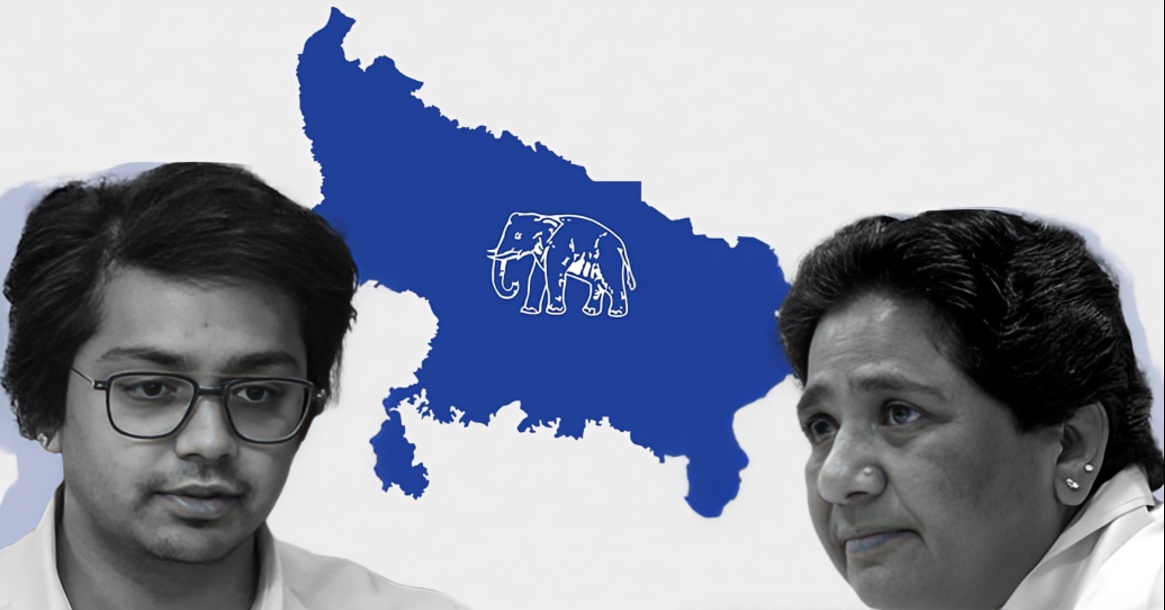
Bahujan Samaj Party chief Mayawati has raised allegations of irregularities in the recently concluded Rajasthan urban local body elections, claiming that several BSP candidates were defeated by narrow margins during the recounting process.
In a post on social media platform X on Tuesday, Mayawati congratulated BSP office bearers and workers after the party secured 19 councillor seats in the Rajasthan civic elections. At the same time, she alleged that a number of party candidates lost by small margins because of irregularities involving government machinery.
Mayawati said the BSP's performance could have been stronger if these alleged irregularities had not taken place. She described the narrow-margin defeats during recounting as a concern and credited the party's candidates and workers for the seats won in the election.
The allegations come after the results of Rajasthan's urban local body elections were announced. The elections covered 309 urban local bodies across the state, including municipal corporations, municipal councils and municipalities.
The BJP emerged as the largest party in the overall results, while Congress also secured a substantial number of seats. Independent candidates performed strongly in several areas and became important in civic bodies where the major parties did not secure clear majorities.
Against this broader electoral backdrop, the BSP secured 19 councillor seats. Mayawati's statement indicates that the party views the result as a foundation for strengthening its organisation in Rajasthan.
The BSP chief's main concern, however, was the alleged conduct of recounting in certain constituencies. She claimed that some BSP candidates who were initially involved in close contests were declared defeated by very small margins after recounting.
Mayawati alleged that government machinery was responsible for irregularities affecting these results. These remain allegations made by the BSP chief, and the available reports do not independently establish that government officials manipulated the results.
The issue of recounting can become particularly sensitive when the margin between candidates is very small. Election procedures generally provide mechanisms for counting, recounting and addressing objections. Candidates and political parties can use the prescribed legal and electoral processes if they believe that the counting process was not conducted properly.
The Rajasthan civic elections were held in two phases on September 9 and September 11, with counting taking place on September 14. The election covered a large number of urban wards across the state.
The overall results produced a mixed political picture. The BJP emerged as the single largest party across the urban local bodies, while Congress remained competitive in several cities. Independents also won a significant number of seats and could play a decisive role in the formation of boards in some municipalities.
The BSP's 19-seat performance is smaller compared with the combined strength of the BJP, Congress and independent candidates, but the result gives the party representation in a number of urban local bodies.
Mayawati's remarks also suggest that the BSP intends to closely examine the results in constituencies where its candidates lost by narrow margins. Such close contests can become politically significant because even a small difference in votes can determine the final winner.
The BSP has traditionally sought to expand its organisational presence beyond Uttar Pradesh, and Rajasthan remains one of the states where the party has periodically won seats in local and state-level elections. The latest civic results provide the party with an opportunity to assess its performance at the grassroots level.
The allegations made by Mayawati are also likely to attract attention because election transparency and the conduct of counting are important aspects of the democratic process. However, any specific claim of manipulation would require evidence or examination through the appropriate electoral or legal mechanism.
The Rajasthan civic poll results have otherwise highlighted the importance of local political factors. Independent candidates performed strongly in several areas, while the BJP and Congress competed closely in a number of urban bodies. This indicates that local candidate selection, ward-level issues and organisational strength played important roles in the outcome.
For the BSP, the focus will now be on strengthening its organisation and reviewing the performance of its candidates. Mayawati's message praised party workers while also pointing to what she described as shortcomings in the election process.
The party's 19-seat tally gives it representation in Rajasthan's urban local bodies and could help it maintain a political presence in the state. The BSP may also use the results to identify areas where it has a stronger support base and where its organisation needs further expansion.
Meanwhile, the allegations regarding recounting are likely to remain part of the political discussion if affected candidates pursue complaints through the relevant authorities. Any official finding would be necessary before the allegations can be treated as established facts.
Overall, Mayawati has welcomed the BSP's 19-seat performance in the Rajasthan civic elections while alleging that several other party candidates were narrowly defeated during recounting. The BSP has attributed these defeats to alleged irregularities involving government machinery.
The claims have not been independently established in the available reports. The election results, however, show that the BSP has secured representation in Rajasthan's urban local bodies, while the BJP has emerged as the largest party overall and independents have gained significant influence in several civic bodies.