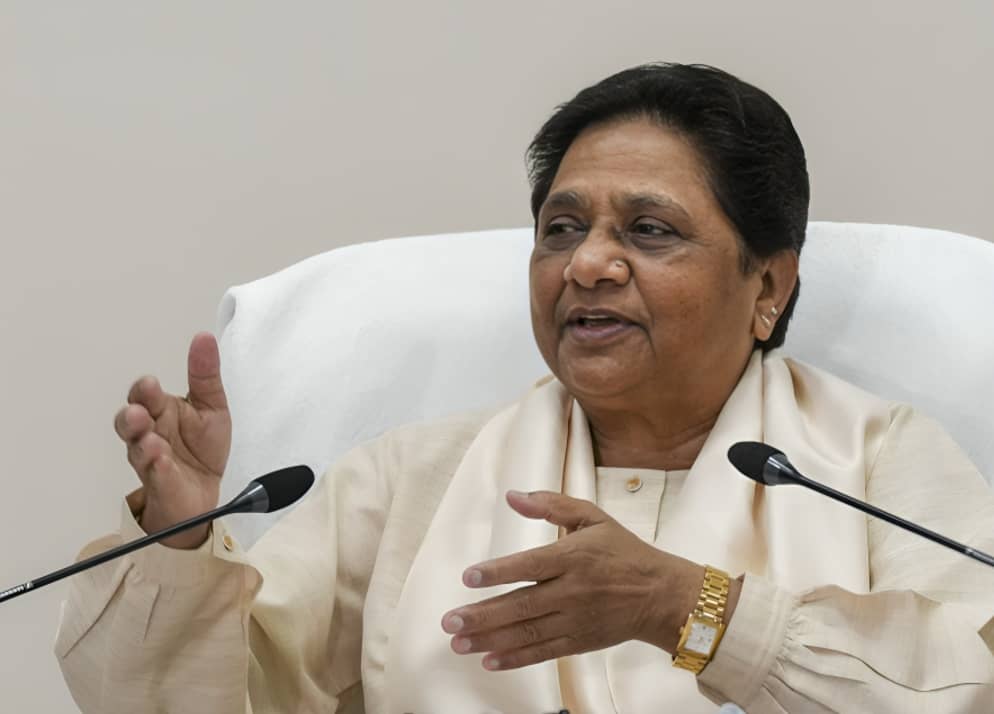
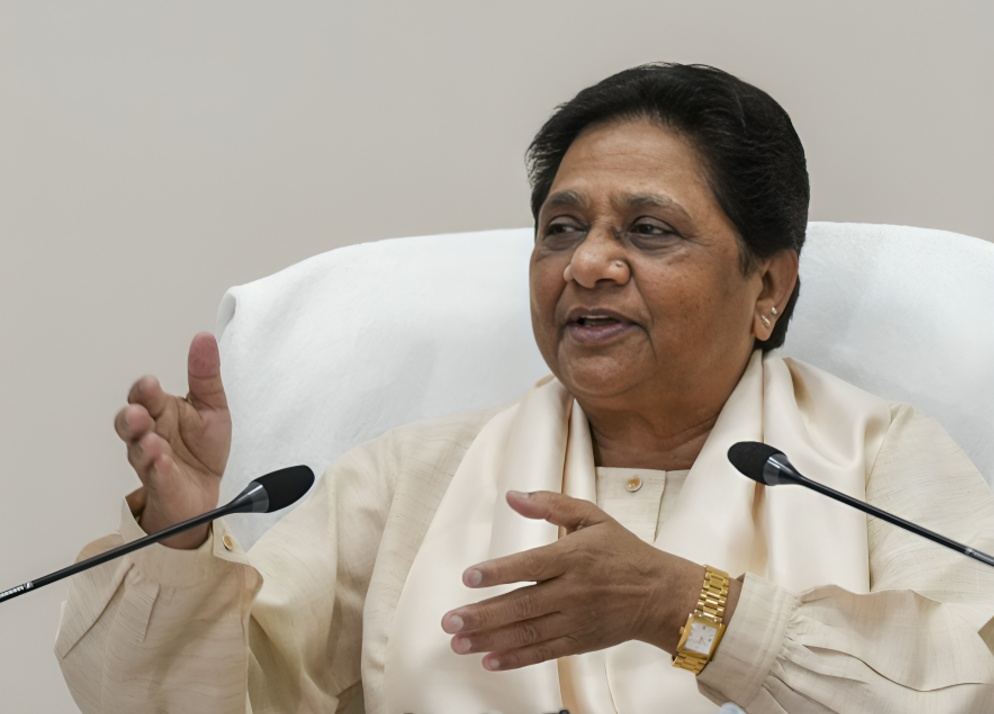
Bahujan Samaj Party chief Mayawati has announced a clear electoral strategy for the upcoming Assembly elections, stating that the party will contest the Punjab polls independently without entering into an alliance with any political party.
The announcement was made during a meeting held in Lucknow with senior party leaders and office bearers from Punjab, Uttar Pradesh and Uttarakhand. Mayawati reviewed the BSP’s organisational position and efforts to expand its mass base in Punjab. She also discussed preparations for the upcoming Assembly elections and instructed party workers to strengthen the organisation at the grassroots level.
According to the BSP leadership, the party intends to contest the Punjab, Uttar Pradesh and Uttarakhand Assembly elections on its own strength. Mayawati said the decision was aimed at avoiding a decline in the party’s vote share and seat tally that she believes could occur because of electoral alliances.
The BSP chief also stressed the importance of maintaining the morale of party workers. She told party leaders that the organisation should continue preparations without depending on alliances and should work towards improving its electoral performance.
Candidate selection is another important part of the strategy. Mayawati directed party leaders to identify hardworking and honest candidates for the upcoming elections. She also emphasised the need to correct organisational shortcomings and improve coordination among party workers.
The BSP has been instructed to strengthen its organisational network up to the polling booth level. The party leadership believes that a strong grassroots structure will be important for reaching voters and improving its electoral prospects.
Punjab holds particular importance for the BSP because the state has a significant Scheduled Caste population and has historical links with the party’s founder Kanshi Ram. The party has therefore been seeking to strengthen its organisational presence in the state.
The latest decision also marks a continuation of the BSP’s independent electoral approach. In the 2022 Punjab Assembly elections, the party contested in alliance with the Shiromani Akali Dal. The BSP contested 20 constituencies under that arrangement and won one seat, while the Shiromani Akali Dal contested 97 seats and won three. The BSP subsequently ended its alliance with the Shiromani Akali Dal in February 2024 ahead of the Lok Sabha elections.
Mayawati’s latest announcement indicates that the BSP does not currently intend to revive that alliance for the 2027 Punjab Assembly elections. Instead, the party plans to rely on its own organisation and support base.
The BSP chief has also criticised the functioning of political parties in Punjab and said her party wants to offer an alternative based on its Ambedkarite political programme. The party has presented its approach as one focused on social welfare, equality and improving the conditions of disadvantaged communities.
Along with Punjab, Mayawati has announced that the BSP will contest the upcoming Assembly elections in Uttar Pradesh and Uttarakhand independently. The decision reflects the party’s broader strategy of rebuilding its electoral organisation without relying on alliances.
The Uttar Pradesh Assembly election will be particularly important for the BSP because the state has historically been its strongest political base. However, the party faced a significant setback in the 2022 Assembly election. The BSP contested all 403 seats but won only one constituency, while its vote share stood at 12.88 percent.
In Uttarakhand, the BSP also contested independently in the 2022 Assembly election. The party won two seats and secured 4.82 percent of the vote, according to data cited by Hindustan Times.
The party’s current strategy therefore places considerable emphasis on organisational rebuilding. Strengthening booth-level structures, selecting suitable candidates and increasing direct contact with voters are expected to be central to the BSP’s preparations.
Mayawati has also asked Punjab party leaders to prepare for programmes connected with Kanshi Ram’s death anniversary on October 9. She instructed the state unit to ensure that the programme is organised effectively and with adequate preparation.
The BSP is also preparing for its annual programme to be held on January 15, 2027. Mayawati has asked the Punjab unit to improve its financial contribution to the party compared with the previous occasion, with the stated objective of strengthening the party’s organisational and social movement activities.
The decision to contest independently could have significance for the political calculations in Punjab. The state has several major political players, including the Aam Aadmi Party, Congress, Bharatiya Janata Party and Shiromani Akali Dal. A separate BSP contest could influence the distribution of votes in constituencies where the party has an established support base.
However, the actual electoral impact will depend on the candidates fielded by the BSP, the strength of its grassroots organisation and the level of voter support it can mobilise during the campaign.
Mayawati has asked party workers to remain focused on preparations and to work towards achieving better results. The party leadership has also emphasised the need to respond effectively to the strategies of rival political parties.
The BSP’s decision represents a deliberate move towards independent electoral politics in three states. Rather than negotiating seat-sharing arrangements, the party plans to present its own candidates and seek votes directly from the electorate.
For Punjab, this means the BSP will enter the 2027 Assembly election without an alliance with the Shiromani Akali Dal or any other political party, based on the current announcement. The party’s previous alliance with the SAD was formally ended in 2024.
The coming months are expected to focus on strengthening the organisation, identifying candidates and preparing the party’s campaign strategy. The BSP will also need to build its booth-level network and increase its presence among voters before the election campaign gains momentum.
Mayawati’s announcement therefore sets out a clear direction for the party. The BSP intends to rely on its own organisational strength and contest the Punjab, Uttar Pradesh and Uttarakhand Assembly elections independently.
The party hopes that this approach will improve worker morale, prevent further erosion of its electoral base and help it secure better results. Whether the strategy succeeds will ultimately depend on the BSP’s ability to translate organisational efforts into voter support during the elections.
Key Points
The BSP will contest the Punjab Assembly elections without an electoral alliance.
Mayawati has also announced an independent contest in Uttar Pradesh and Uttarakhand.
The party will focus on strengthening its organisation at the booth level.
Mayawati has instructed leaders to select hardworking and honest candidates.
The BSP ended its alliance with the Shiromani Akali Dal in February 2024.
Punjab is strategically important for the BSP because of its significant Scheduled Caste population and its connection with party founder Kanshi Ram.
The party plans to focus on rebuilding its grassroots organisation and improving its electoral performance.