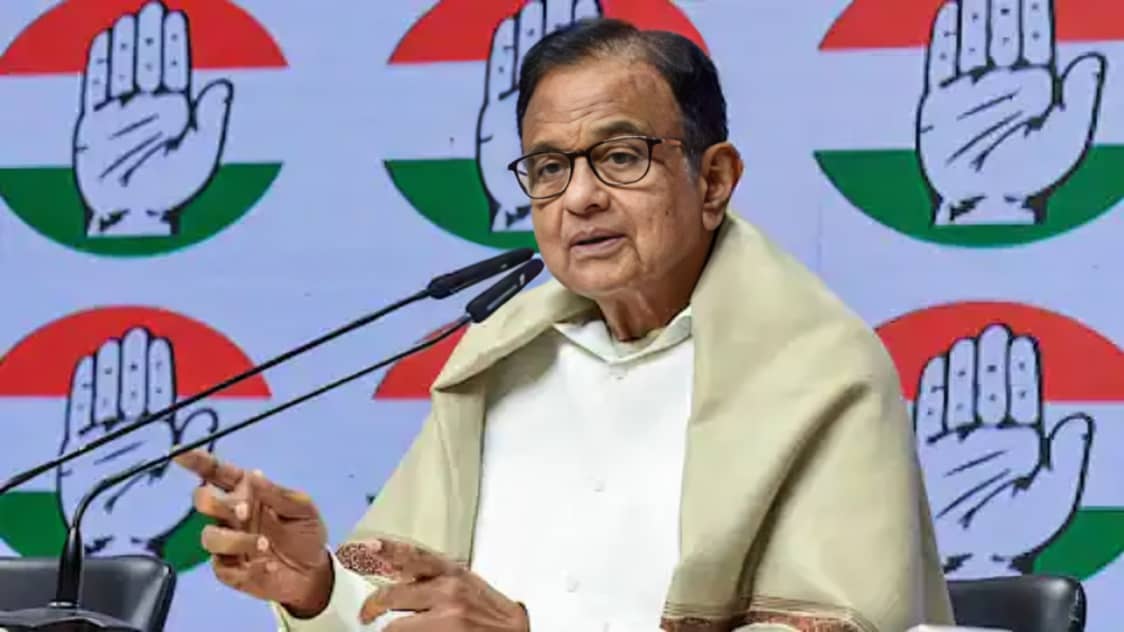
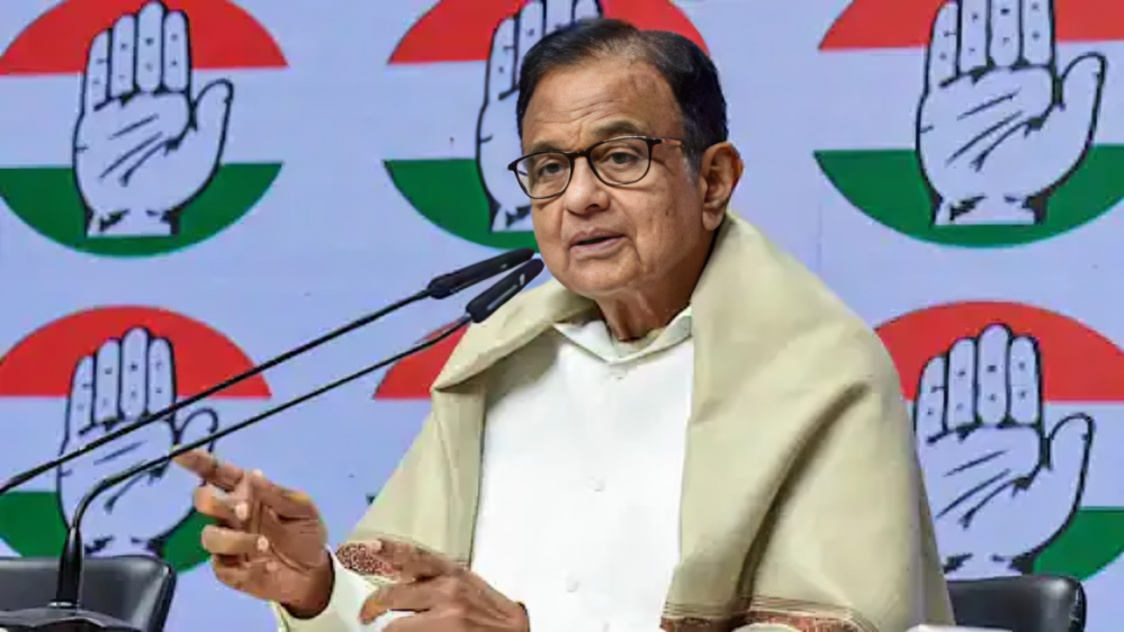
Senior Congress leader and Rajya Sabha MP P. Chidambaram has criticised the functioning of Parliament during the recent Monsoon Session, raising concerns over the passage of legislation, proposed changes to the Foreign Contribution Regulation Act and the possible impact of delimitation on southern states.
Speaking at a Congress meeting in Chennai on Thursday, Chidambaram alleged that Parliament had not provided adequate opportunities for meaningful discussion on several important issues. He compared the functioning of Parliament with state legislative assemblies and said that debates in state assemblies could sometimes be more effective.
Chidambaram questioned the limited use of adjournment motions in Parliament over the past several years. He also referred to issues that, according to him, were not adequately discussed during the Monsoon Session.
Criticism over passage of Bills
A major part of Chidambaram's criticism was directed at the way Bills were passed in Parliament. He alleged that 12 Bills were passed without what he considered adequate discussion and debate.
He argued that Parliament should provide sufficient time for lawmakers to examine legislation, raise concerns and present alternative viewpoints before important laws are passed.
Chidambaram said the functioning of Parliament had become a matter of concern and strongly criticised the government's approach to legislative business. His comments were made in the context of the broader political debate between the ruling party and the opposition over parliamentary proceedings.
Concerns over FCRA amendments
Chidambaram also raised concerns about proposed changes to the Foreign Contribution Regulation Act, commonly known as the FCRA.
The law regulates the receipt and use of foreign contributions by individuals, associations and organisations in India. Foreign funding is permitted subject to regulatory requirements and compliance with the law.
Chidambaram alleged that the proposed amendments could have an impact on organisations involved in social work and those receiving foreign contributions. He cited the example of organisations working in areas such as education and care for vulnerable sections of society.
He further alleged that the proposed changes could disproportionately affect certain religious and social organisations. These are Chidambaram's allegations and represent his political assessment of the proposed legislation.
The FCRA has remained a politically sensitive issue because the government has emphasised the need for transparency and regulation of foreign funding, while opposition parties and some organisations have raised concerns about the implementation of restrictions.
The debate over the proposed amendments is therefore likely to continue as Parliament considers the legislation and its possible implications.
Delimitation becomes another major issue
Chidambaram also spoke about delimitation, one of the most significant political issues currently being discussed in India.
Delimitation involves the redrawing of electoral constituency boundaries. A population based approach could alter the distribution of Lok Sabha seats among states depending on demographic changes.
Chidambaram warned that southern states could face a reduction in their representation if future delimitation is primarily based on population.
Southern states have historically highlighted their efforts to control population growth and have argued that states that successfully implemented population stabilisation policies should not be politically disadvantaged because of those achievements.
The issue has become particularly significant in Tamil Nadu and other southern states, where political parties have called for safeguards to ensure that their parliamentary representation is not reduced.
Chidambaram has previously supported calls to maintain the existing allocation of Lok Sabha seats for an extended period. The debate has consequently become an important part of the political discussion between the Centre and several southern states.
Opposition to One Nation One Election
Chidambaram also reiterated his opposition to the proposed One Nation One Election system.
The proposal seeks to synchronise elections to the Lok Sabha and state legislative assemblies. Supporters argue that simultaneous elections could reduce election-related expenditure, limit repeated disruptions and allow governments to focus more consistently on administration.
Opponents, however, have raised concerns about constitutional, political and federal issues.
Chidambaram has strongly opposed the proposal and previously described it as unconstitutional and a serious challenge to India's federal structure. He has also argued that simultaneous elections would not be practically feasible in 2029 even if the legislation is passed.
The issue is being examined through the parliamentary process, with discussions continuing over the proposed constitutional and legal changes required to implement simultaneous elections.
Federal structure at the centre of debate
The federal structure of India has become an important part of the discussion surrounding both delimitation and simultaneous elections.
India's political system divides powers between the Union and state governments. Opposition parties have argued that any major electoral reform should preserve the political autonomy and representation of states.
Chidambaram's comments reflect the Congress party's broader concerns about the balance between the Union government and the states.
The Centre and supporters of the proposed reforms, however, have presented different arguments regarding administrative efficiency, electoral costs and the need for reforms.
Political debate likely to continue
The three issues raised by Chidambaram represent separate but connected areas of political debate.
The functioning of Parliament concerns the legislative process and the extent of debate before Bills are passed. The FCRA debate concerns regulation of foreign contributions and the functioning of organisations receiving such funds. Delimitation concerns the future distribution of parliamentary representation among states.
One Nation One Election adds another constitutional and electoral dimension to the discussion.
Chidambaram's latest remarks are therefore likely to add to the ongoing political debate between the opposition and the Centre.
For now, the issues surrounding parliamentary functioning, FCRA amendments, delimitation and simultaneous elections remain subjects of political and legislative discussion. Any final changes will depend on the parliamentary process, legal scrutiny and the decisions taken by the appropriate constitutional authorities.
Chidambaram's statements should be viewed as the position of a senior Congress leader and not as a statement of government policy or an established finding. The Centre's position and the final outcome of the legislative process will determine how these proposals ultimately take shape.