
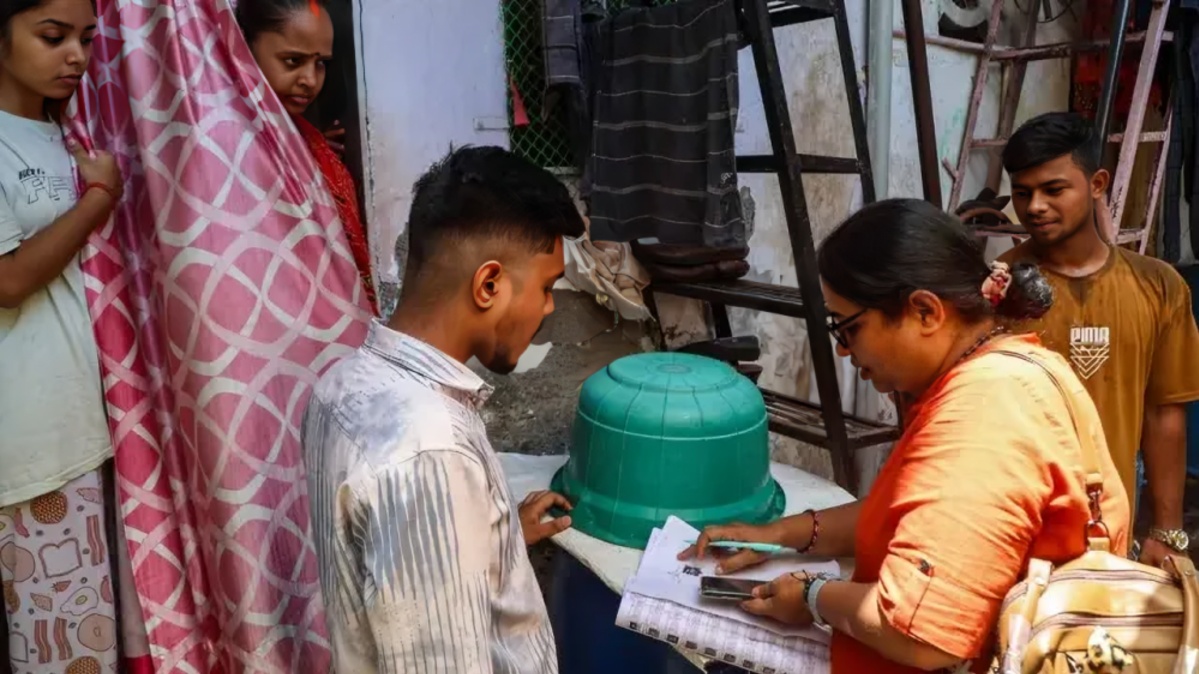
The Supreme Court is scheduled to hear a petition challenging aspects of the ongoing Special Intensive Revision of electoral rolls in Delhi, with the petitioners seeking greater transparency over the process used to identify and issue notices to voters.
The matter was brought before the Supreme Court by petitioners Anjali Bhardwaj and Amrita Johri, represented by advocate Prashant Bhushan. The petition challenges what the petitioners describe as a lack of sufficient information about voters who have been issued notices during the revision exercise.
A bench headed by Chief Justice of India Surya Kant, along with Justices Joymalya Bagchi and V Mohana, agreed to hear the matter. Reports indicate that the petition is scheduled to be taken up on September 21, 2026, along with other matters concerning the Special Intensive Revision of electoral rolls.
The petitioners have particularly raised questions about the classification of voters under the category known as “Logical Discrepancies”. According to their submissions, the term has not been accompanied by sufficiently clear and publicly available criteria explaining how an elector is placed in that category.
The petitioners have also questioned the information provided in notices issued to voters. They have sought disclosure of the names of voters who received notices, along with the specific reasons or categories forming the basis for each notice. They have argued that voters should receive adequate information to understand why they have been asked to appear before electoral authorities and to respond effectively during the verification process.
The petition further seeks disclosure of the criteria, definitions, algorithmic parameters and operational guidelines allegedly used to classify electoral records under “Logical Discrepancies”. The petitioners have also sought publication of a consolidated and searchable list containing the details of electors who have received notices.
The legal challenge comes against the background of the draft electoral roll published in Delhi on August 31, 2026. According to reports, around 47.56 lakh electors were excluded from the draft roll under categories including absent, shifted, dead or duplicate. Separately, more than 33 lakh electors who remained in the draft roll were reportedly flagged for further action under categories including “No Mapping” and “Logical Discrepancies”.
Business Standard reported that 33,12,919 electors were flagged for notices, with 13,79,785 classified under “No Mapping” and 19,33,134 under “Logical Discrepancies”. These figures are part of the information cited in the petition and reports concerning the ongoing revision process.
The petitioners have argued that the absence of detailed information about the basis for the notices could make it difficult for affected voters to participate effectively in the verification process. They have therefore asked the Supreme Court to direct the authorities to specify the precise discrepancy and relevant factual material behind each notice.
The plea also refers to constitutional provisions including Articles 14, 19 and 21, as well as Articles 325 and 326. The petitioners have alleged that the procedure followed during the revision exercise raises constitutional and procedural concerns. These are allegations made in the petition and remain subject to consideration by the Supreme Court.
The petitioners have additionally sought an order restraining deletion of names from electoral rolls when such action is based on notices that, according to them, do not provide sufficient factual details. Their request places emphasis on transparency, disclosure and the opportunity for affected electors to respond.
The Supreme Court has not yet delivered a final ruling on the issues raised in this fresh petition. The scheduled hearing will allow the court to consider the petitioners’ submissions and the response of the concerned electoral authorities.
The case is significant because the outcome could provide further judicial clarification on the transparency and procedural requirements associated with the ongoing revision of Delhi’s electoral rolls. However, the final position will depend on the court’s proceedings and any directions or judgment issued after hearing all sides.