Opposition parties have intensified their criticism of the Election Commission of India following the Supreme Court’s recent observations concerning changes made to the online version of Form 6, the statutory application used by citizens seeking inclusion in electoral rolls.
The controversy gained momentum after a three judge bench of the Supreme Court clarified that it had not approved any modified version of Form 6. Chief Justice of India Surya Kant said the court would examine the records submitted by the Election Commission to determine who introduced the changes and under what authority.
The Supreme Court was hearing a petition concerning alleged changes to the online voter registration process during the Special Intensive Revision of electoral rolls. The petition raised questions about an additional declaration that had been attached to the online version of Form 6 during the revision exercise.
According to reports, the additional declaration required applicants to provide information concerning whether their own name or the name of a parent or grandparent appeared in an earlier electoral roll prepared during a previous Special Intensive Revision. The issue became controversial because Form 6 is prescribed under the Registration of Electors Rules, 1960.
During the hearing, the Supreme Court made it clear that the modified version of Form 6 had not been approved by the court. The bench indicated that it wanted to examine the relevant records before determining how the changes were introduced.
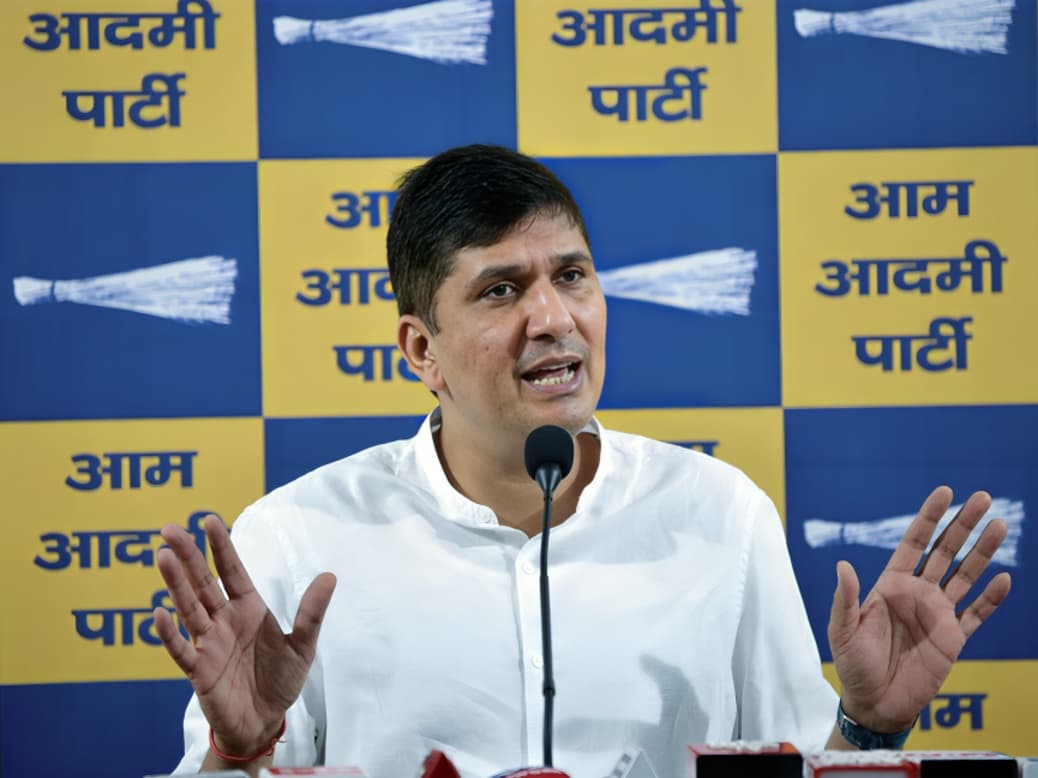
The development immediately triggered a political response from Opposition parties. Congress leader Pawan Khera criticised the Election Commission and said that the Opposition had a responsibility to raise public concerns over the electoral process.
Khera also referred to the Supreme Court’s observations while questioning the criticism directed at Opposition parties for raising concerns about the Special Intensive Revision. He argued that questioning the functioning of constitutional institutions was part of the democratic process.
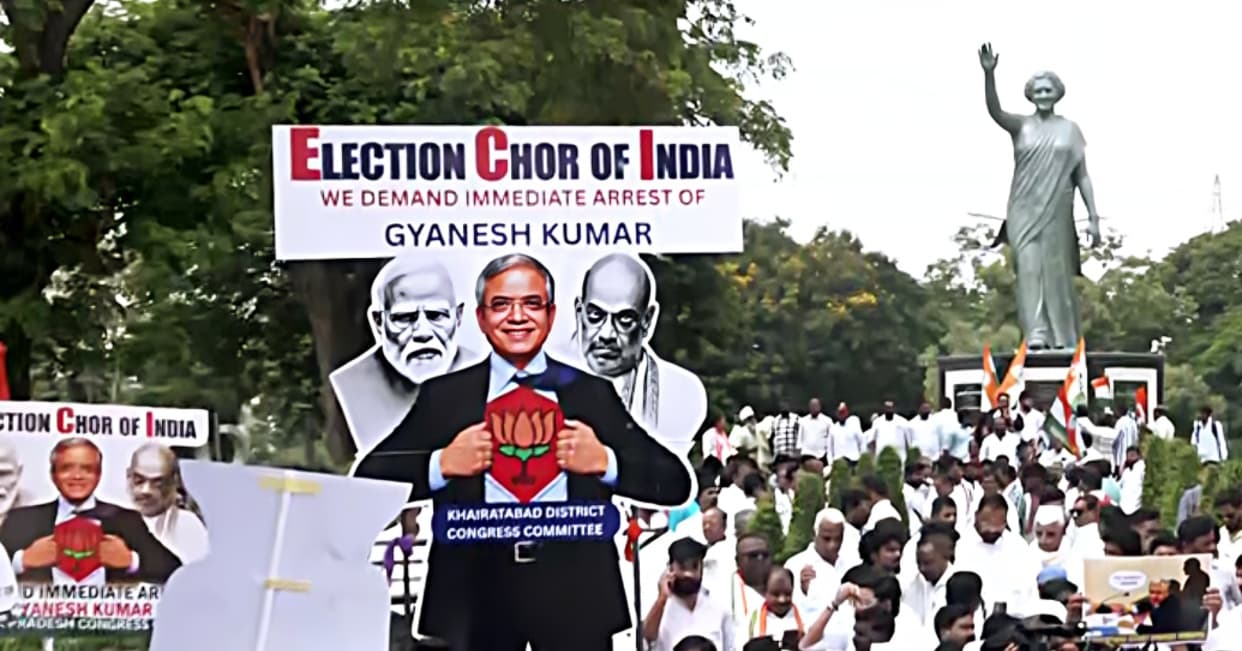
Nationalist Congress Party Sharadchandra Pawar spokesperson Clyde Crasto also criticised Chief Election Commissioner Gyanesh Kumar over the Form 6 controversy. Crasto questioned the Election Commission’s earlier reference to the Supreme Court while explaining the additional declaration attached to the form.
Crasto alleged that the Election Commission had incorrectly invoked the Supreme Court’s authority in connection with the changes. These statements are allegations made by an Opposition leader and have not been established as facts.
The Election Commission has rejected the suggestion that it altered the original statutory Form 6. According to reports, the poll panel has maintained that it did not change the original form and that an additional declaration was introduced during the Special Intensive Revision process under a specific protocol.
The ECI has also referred to its earlier position on the Special Intensive Revision in Bihar. The Commission said that the order for the Bihar SIR issued on June 24, 2025, had received unanimous approval from the Commission and that the Supreme Court had upheld the order in its May 27, 2026 judgment.
However, the distinction between the Supreme Court’s May 2026 judgment and the later addition of a declaration to the online Form 6 has become a central issue in the current dispute.
The Supreme Court is now expected to examine the records provided by the Election Commission. The court’s observations do not by themselves establish that the Election Commission acted illegally. Instead, the bench has indicated that it wants to examine the factual and procedural record before reaching any conclusion.
The controversy is linked to the wider dispute over the Special Intensive Revision of electoral rolls. The revision process has faced criticism from several Opposition parties, which have raised concerns about voter deletions, documentation requirements and the possibility of eligible voters facing difficulties during the verification process.
The Election Commission, on the other hand, has maintained that electoral roll revision is intended to ensure accurate voter lists and remove duplicate or ineligible entries. The poll panel has also said that statutory forms prescribed under the relevant rules continue to apply outside the SIR process.
The online Form 6 issue has attracted particular attention because the form is used by individuals seeking inclusion in electoral rolls. Any additional requirement attached to the registration process can therefore have an impact on people applying to become voters or seeking restoration of their names.
Reports have also indicated that the Election Commission subsequently removed the additional SIR declaration from its online system in states and Union territories where the revision exercise had been completed. The Commission has maintained that the statutory Form 6 would be used outside the SIR period.
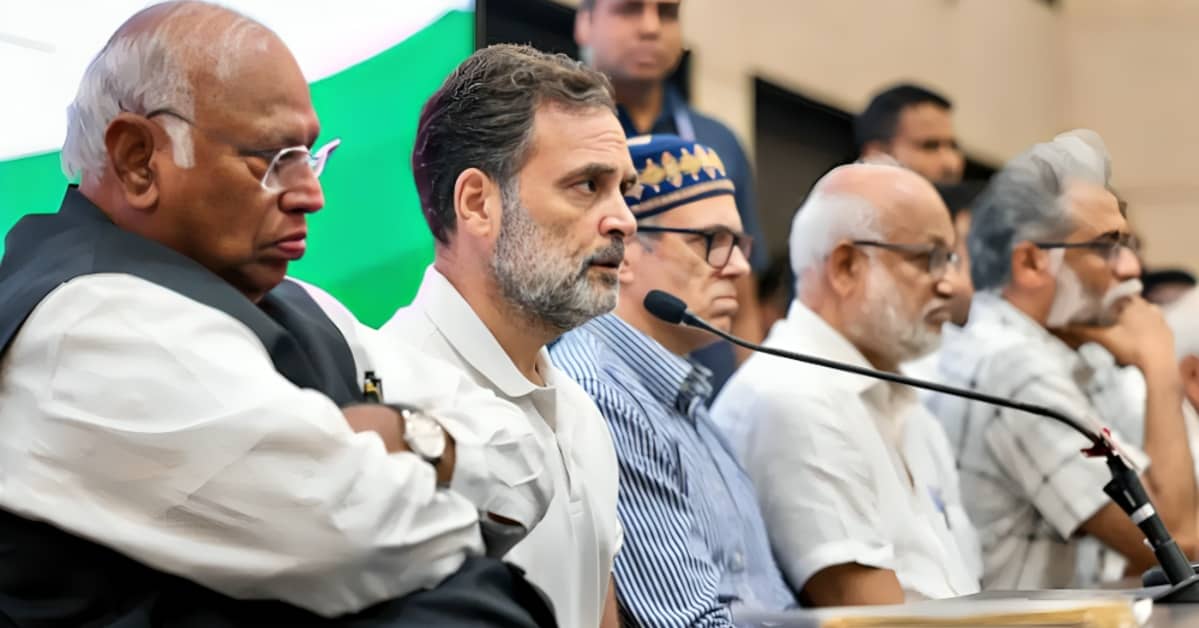
The political dispute has also expanded beyond Form 6. Opposition leaders have questioned the functioning of the Election Commission and demanded greater transparency in decisions relating to electoral roll revisions.
Senior Congress leader Adhir Ranjan Chowdhury has also questioned why the Election Commission issued a public response to Rahul Gandhi’s allegations instead of providing detailed clarification before the judiciary. He has called for the complete records concerning the Form 6 changes to be placed before the Supreme Court.
Rahul Gandhi had earlier accused Chief Election Commissioner Gyanesh Kumar of changing Form 6 without proper authority. The Election Commission described those allegations as misleading and defended its position regarding the Special Intensive Revision process.
The Supreme Court’s intervention has now shifted the focus towards the official record surrounding the disputed changes. The court has indicated that it wants to establish who introduced the modification, when it was introduced and the authority under which it was implemented.
The case is significant because electoral rolls form the foundation of the voting process. Questions concerning the procedure used to add or remove voters can therefore have wider implications for public confidence in elections.
At this stage, no final judicial finding has been made that the Election Commission illegally modified Form 6. The court is examining the matter and has sought the relevant records. Similarly, the allegations made by Opposition leaders remain political allegations unless established through the ongoing judicial or administrative process.
The dispute is expected to continue as the Supreme Court examines the documents submitted by the Election Commission. The court’s eventual findings could provide greater clarity on the status of the additional declaration and the procedure through which it was introduced.
For now, the central question remains who introduced the disputed changes to the online Form 6 and under what authority. The Supreme Court’s request for records is expected to provide further clarity on the issue.