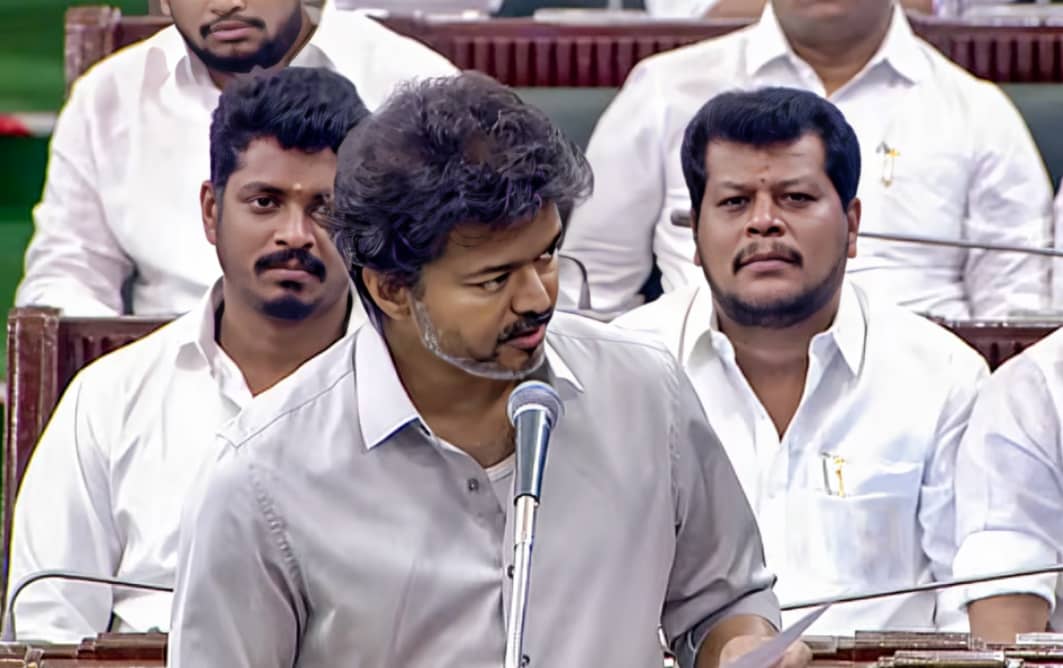
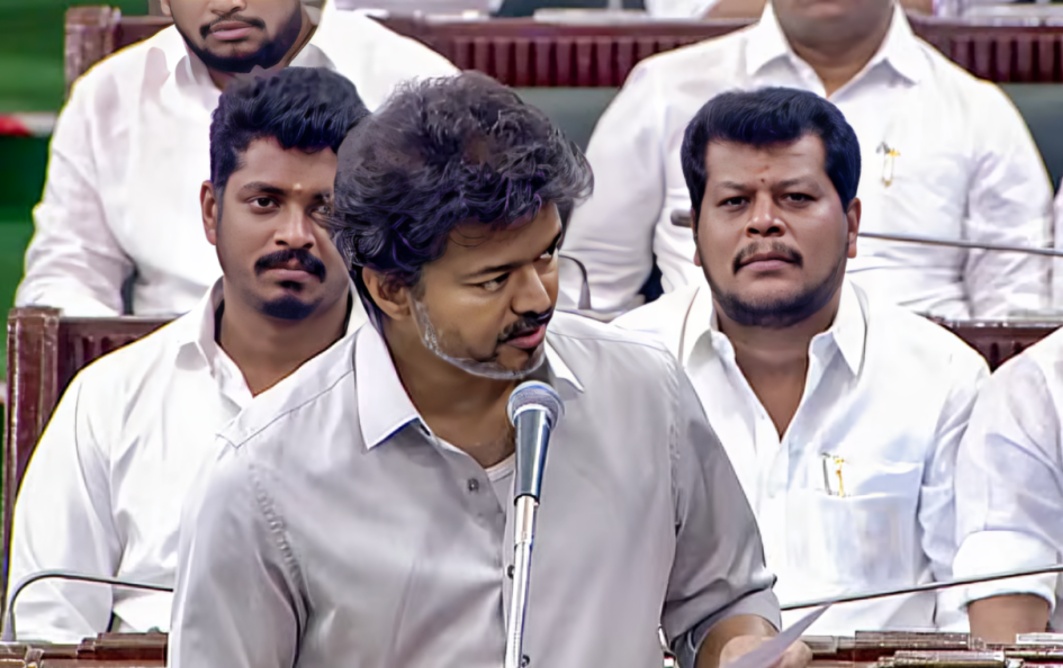
Tamil Nadu Chief Minister Vijay has announced that the proposed greenfield airport project at Parandur near Chennai will be dropped, bringing a major change to the state’s plans for expanding aviation infrastructure.
The decision was announced in the Tamil Nadu Legislative Assembly on August 24, 2026. The government has said that an alternative location will be explored for a new airport, with greater consideration given to agricultural land, water resources and the interests of local residents.
The Parandur project had been proposed as a second major airport for the Chennai metropolitan region. The project was intended to address the increasing demand for passenger and cargo aviation and to provide additional capacity as Chennai’s existing airport faces long term growth pressures.
However, the project had faced strong opposition from farmers and residents in the proposed project area. Concerns were raised over land acquisition, agricultural livelihoods and the potential impact on water bodies and the surrounding environment.
Vijay’s government has now decided that continuing with the Parandur proposal would have an unacceptable impact on agricultural areas and local communities. The Chief Minister has said that his government would instead identify another location that can meet Chennai’s aviation requirements while reducing the impact on agriculture.
The decision has also created a political confrontation between the ruling Tamilaga Vettri Kazhagam and the opposition DMK. Opposition members have argued that abandoning the Parandur project could affect Tamil Nadu’s economic growth and future infrastructure requirements.
The DMK has questioned the government’s decision and raised concerns about the consequences of cancelling a major infrastructure project that had been under consideration for several years. Opposition leaders have also argued that Chennai needs additional airport capacity to support its growing industrial, commercial and logistics sectors.
The ruling side, however, has defended the decision by highlighting the concerns of farmers and residents. The government has maintained that infrastructure development should not come at the cost of fertile agricultural land and important water resources.
The political dispute intensified during the Assembly proceedings on August 25. What began as a debate over the airport project turned into a sharp exchange between members of the ruling party and the opposition.
The discussion included controversial references to political figures’ family connections. One of the most prominent exchanges involved the phrase G Square son in law, which was used by Law Minister Nirmal Kumar while referring to those whom he claimed had benefited from the earlier airport project.
DMK MLA Thangam Thennarasu responded with a reference to a lottery son in law, escalating the political exchange. The remarks became one of the most widely discussed aspects of the Assembly debate.
The personal nature of the exchange shifted attention away from the technical questions surrounding the airport project and towards the political accusations being traded between the two sides.
The controversy over Parandur has been developing for several years. The proposed greenfield airport was intended to become Chennai’s second major airport and was expected to play an important role in supporting the city’s future aviation demand.
At the same time, local opposition to the project had remained strong. Farmers in the proposed acquisition areas expressed concern that the project could affect their agricultural land and livelihoods.
Environmental concerns also became an important part of the debate. Opponents of the project argued that the proposed development could affect water systems and agricultural ecosystems in the region.
The latest government decision has therefore been presented as an attempt to balance the state’s infrastructure requirements with environmental and social considerations.
The government has not abandoned the broader objective of developing a new airport for Chennai. Instead, it has indicated that a different location will be considered.
This distinction is important. The cancellation concerns the Parandur site rather than the overall need for additional aviation infrastructure in the Chennai region.
The government is also considering expansion of Chennai’s existing airport infrastructure. Reports indicate that plans include an additional terminal as part of efforts to increase the capacity of the existing airport.
The issue has economic significance because Chennai is one of India’s major industrial and manufacturing centres. The city and its surrounding regions host major automobile, electronics, technology and logistics industries. Industry representatives have argued that improved aviation infrastructure is important for future investment and connectivity.
The cancellation therefore presents the government with a difficult challenge. On one side is the need for long term aviation capacity to support economic growth. On the other is the demand from affected communities to protect agricultural land and their livelihoods.
The government’s alternative airport plan will need to address both concerns. A new site would have to provide sufficient space and connectivity while minimising displacement and environmental impacts.
The political debate is likely to continue as the government evaluates possible alternative locations. The opposition is expected to scrutinise the new proposal and question whether it can provide the same capacity and connectivity envisioned under the Parandur plan.
The controversy also illustrates the broader challenges faced by governments when implementing large infrastructure projects. Airports require significant areas of land and supporting infrastructure, including roads, rail connectivity, utilities and drainage systems.
Any major airport project can therefore affect surrounding communities and land use patterns.
In Parandur, the debate became particularly sensitive because of concerns over agricultural land and water resources. The government’s decision reflects its stated priority of reducing these impacts.
The Assembly confrontation has added a political dimension to what was initially an infrastructure and environmental debate. The exchange over the so called son in law issue has become a prominent part of the controversy, with both sides accusing each other of political motives.
The ruling party has sought to defend the airport cancellation as a decision made in the interests of farmers and local residents. The opposition has questioned whether the government’s decision could negatively affect Tamil Nadu’s economic and aviation ambitions.
The disagreement also reflects the larger political competition between the TVK government and the DMK opposition.
For the people living around Parandur, the cancellation represents a significant development after years of uncertainty surrounding land acquisition and the proposed airport.
Farmers and residents who opposed the project have welcomed the government’s decision. Reports indicate that representatives from the affected region met Vijay and expressed appreciation for the decision.
For businesses and aviation stakeholders, however, attention is now shifting towards the government’s next step. The key question will be where the alternative airport is located and how quickly the new plan can move forward.
The government will also need to demonstrate that the alternative site can accommodate Chennai’s long term aviation requirements without creating similar environmental and land acquisition disputes.
The cancellation of the Parandur project therefore does not end the debate over Chennai’s second airport. Instead, it begins a new phase in which the government must identify another location and establish how the new proposal will address aviation demand, connectivity, environmental concerns and the interests of local communities.
The political controversy is also expected to continue in the Assembly. The opposition has already raised questions about the economic consequences of the decision, while the ruling side has defended its position by emphasising agricultural and environmental protection.
The sharp exchanges between the two sides demonstrate how infrastructure decisions can become major political issues when they involve large investments, land acquisition and the livelihoods of thousands of people.
For now, the Parandur airport project has been dropped, while the Tamil Nadu government plans to explore alternative options. The future of Chennai’s second airport will depend on the location eventually selected and the ability of the government to balance development requirements with environmental and social concerns.