Lucknow, November 24, 2026
The Bharatiya Janata Party has intensified its preparations for the 2027 Uttar Pradesh Assembly elections amid seat sharing negotiations between the Samajwadi Party and Congress. The ruling party held a core committee meeting at its state headquarters in Lucknow on November 23 to review its electoral strategy and organisational preparedness.
Uttar Pradesh Chief Minister Yogi Adityanath, Deputy Chief Ministers Keshav Prasad Maurya and Brajesh Pathak and other senior BJP leaders attended the meeting. The discussions focused on the forthcoming elections and measures to strengthen the party’s campaign.
BJP Focuses on Hindutva and Development
The BJP is preparing to highlight Hindutva and development as its principal campaign themes ahead of the Assembly elections. The party intends to present the performance of the state government alongside its ideological commitments during election campaigning.
Infrastructure development, investment, employment, rural development, welfare programmes and law and order are among the subjects expected to feature in the campaign.
The party had also raised religious issues during a recent organisational meeting in Mathura, including its demand for a temple at the birthplace of Lord Krishna.
The Economic Times+1
These developments indicate that the BJP intends to combine its ideological priorities with its governance record while seeking another mandate from voters.
Deputy Chief Ministers Express Confidence
Deputy Chief Minister Keshav Prasad Maurya expressed confidence that the BJP would return to power for a third consecutive term in Uttar Pradesh.
He maintained that an electoral arrangement between the Samajwadi Party and Congress would not significantly affect the BJP’s prospects.
Deputy Chief Minister Brajesh Pathak highlighted the state government’s welfare programmes and its claimed achievements in improving law and order and women’s safety.
These statements reflect the BJP leadership’s assessment of its electoral position. However, the actual outcome will depend on voter preferences and the results of the forthcoming Assembly elections.
Samajwadi Party and Congress Hold Seat Sharing Talks
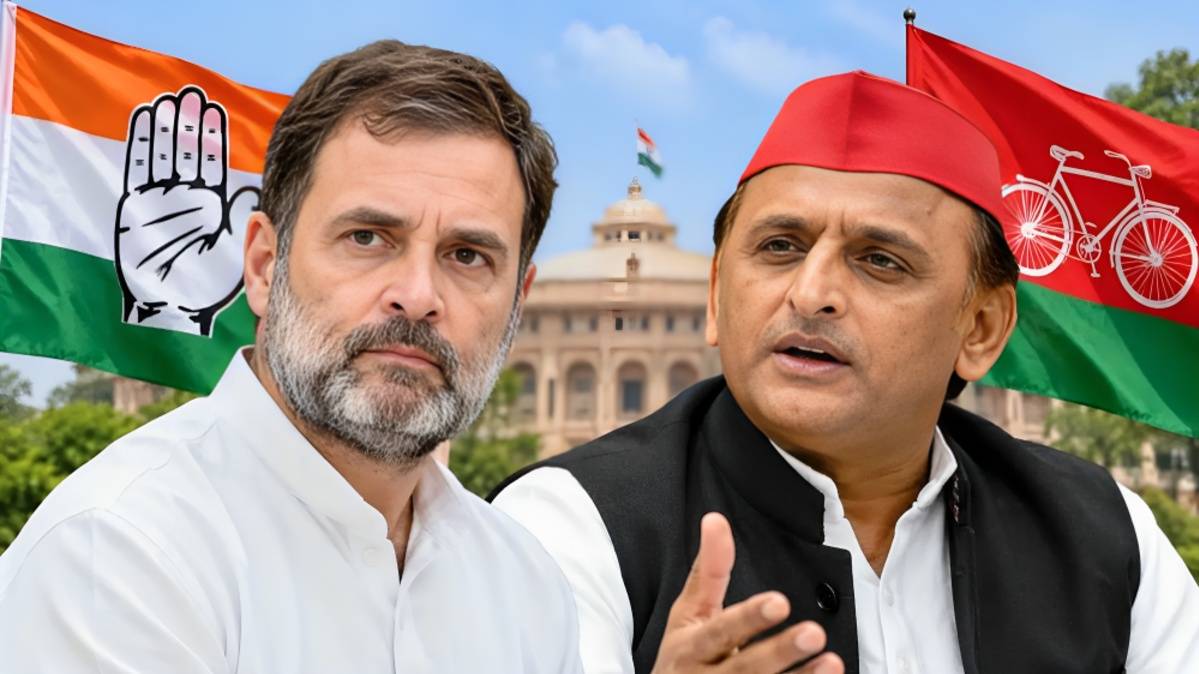
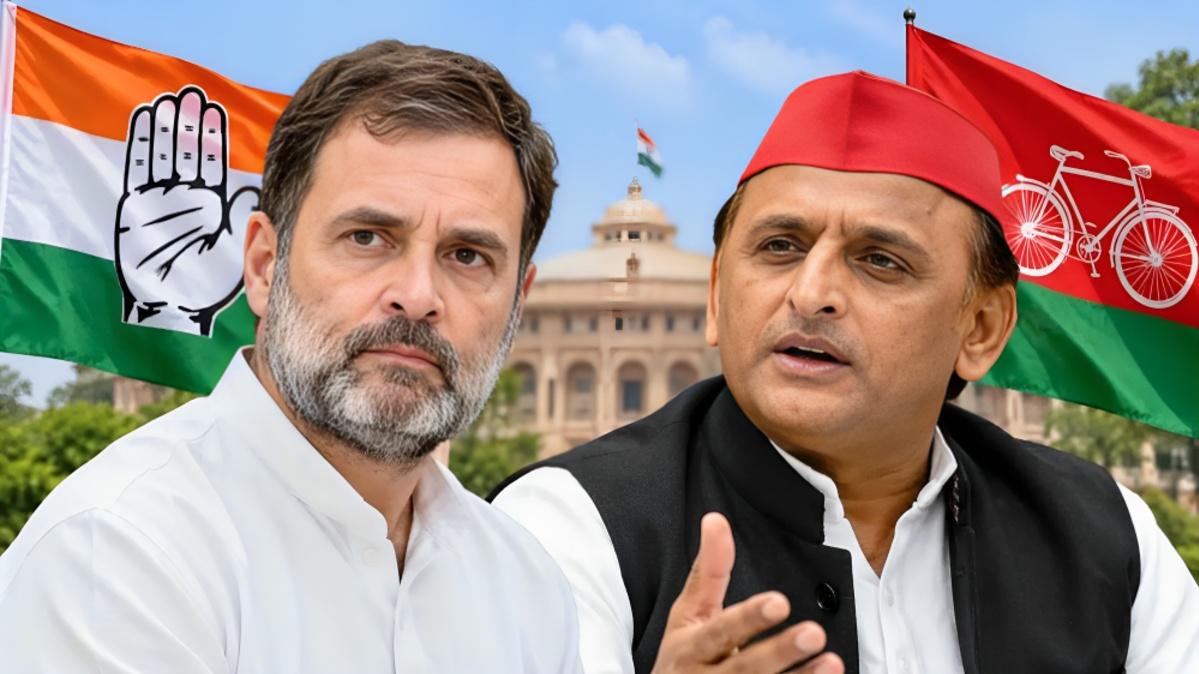
Meanwhile, the Samajwadi Party and Congress have initiated formal discussions on constituency allocation for the 2027 elections.
The first round of negotiations took place in New Delhi on November 23 at the residence of Congress leader Pramod Tiwari. Representatives of both parties expressed optimism about reaching an agreement.
Further discussions were scheduled for November 24. The final allocation of constituencies is expected to be determined by the leadership of both parties after reviewing proposals from their respective representatives.
Although opposition leaders indicated that the initial discussions had progressed positively, a final seat sharing arrangement had not been announced in the reports available at the time of publication.
Opposition Alliance Seeks to Build on Previous Performance
The Samajwadi Party and Congress contested the 2022 Uttar Pradesh Assembly elections separately. However, both parties subsequently formed an electoral partnership under the INDIA alliance during the 2024 Lok Sabha elections.
In the 2024 parliamentary elections, the Samajwadi Party secured 37 constituencies in Uttar Pradesh, while Congress won six. Together, the two parties secured 43 of the state’s 80 parliamentary seats.
Their performance has provided a basis for renewed electoral cooperation ahead of the 2027 Assembly elections.
Samajwadi Party president Akhilesh Yadav has emphasised the electoral strength of potential candidates as an important consideration in determining constituency allocation.
BJP Strengthens Voter Enrollment Campaign
The BJP is also focusing on voter registration and strengthening its organisational presence across Uttar Pradesh.
The party undertook a special campaign between November 22 and November 24 to assist eligible citizens whose names were missing from electoral registers.
The initiative forms part of broader organisational preparations involving local party units, constituency representatives and polling booth committees.
Voter registration and electoral roll verification remain subject to the procedures established by the Election Commission of India. Political parties may assist eligible citizens with registration, but electoral authorities are responsible for approving applications and maintaining official voter lists.
Outreach Among Women and Young Voters
The BJP leadership has identified engagement with women and young voters as another component of its election preparations.
Uttar Pradesh BJP vice president Neeraj Singh indicated that outreach programmes involving these sections of the electorate would follow the voter enrollment campaign.
Political parties frequently conduct public meetings, organisational programmes and community interactions before elections to communicate their policies and understand public concerns.
Employment opportunities, education, public safety, healthcare and access to government welfare programmes are among the broader issues that may influence electoral discussions.
Importance of the 2027 Uttar Pradesh Assembly Elections
Uttar Pradesh has 403 Assembly constituencies, with 202 seats required for a majority in the legislative assembly.
The forthcoming elections are politically significant because of the state’s population, parliamentary representation and influence on national politics.
The BJP is seeking another consecutive term, while the opposition parties are attempting to challenge the ruling government through electoral cooperation.
The performance of individual candidates, local political issues, government policies, alliance arrangements and voter participation could influence the eventual election results.
Political Preparations Gather Momentum
With the Assembly elections expected in early 2027, political activity across Uttar Pradesh is gradually intensifying.
The BJP’s organisational meeting in Lucknow and the negotiations between the Samajwadi Party and Congress indicate that both the ruling party and opposition are advancing their election preparations.
Further developments concerning constituency allocation, candidate selection, campaign announcements and official election schedules are expected to shape the political landscape in the coming months.
The Election Commission’s formal announcement of the election schedule will establish the official timeline for nominations, polling and counting of votes.