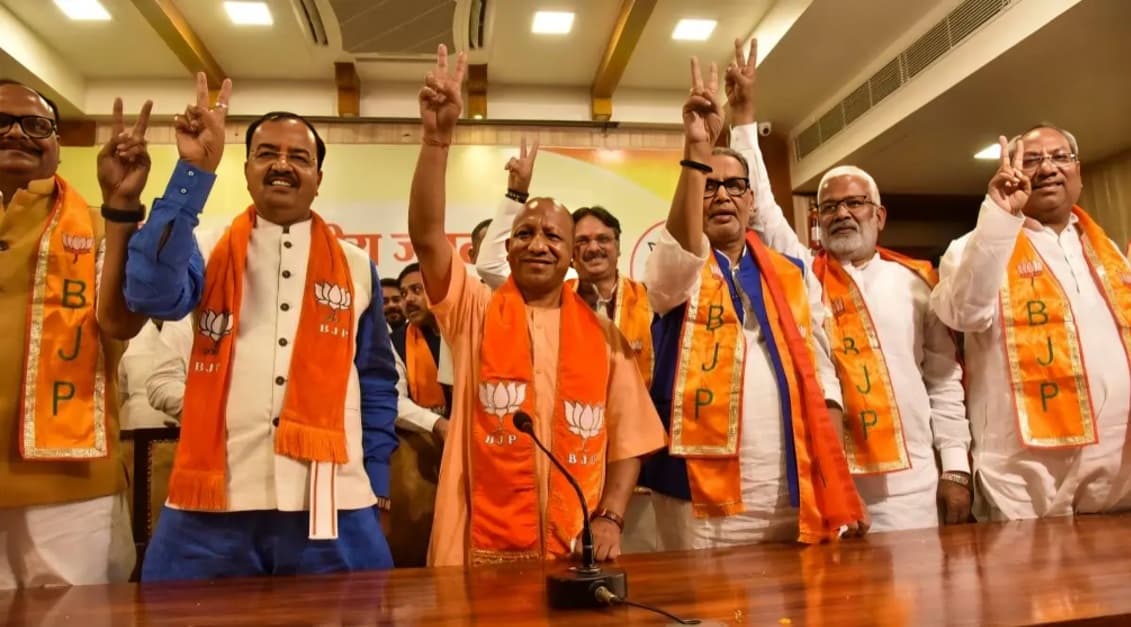
BJP Plans Stronger Counteroffensive Against INDIA Bloc Through Public Outreach on Electoral Reforms and SIR
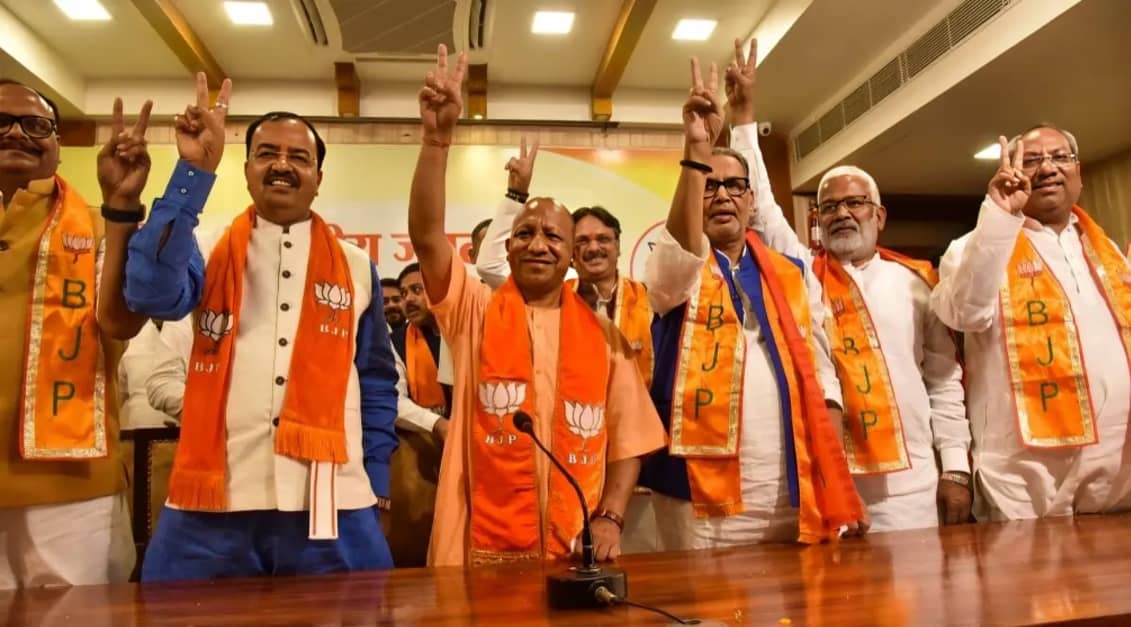
The Bharatiya Janata Party is planning to intensify its political counteroffensive against the INDIA bloc by expanding its engagement with the public on electoral reforms and the Special Intensive Revision exercise. Instead of limiting its response to political rallies and public meetings, the ruling party aims to reach citizens, students and young people through direct discussions and awareness activities.
The proposed strategy is focused on taking important electoral issues to a wider section of society. The BJP intends to engage with different groups and explain its position on electoral reforms and the SIR exercise. Students and young voters are expected to be among the key groups targeted through these outreach activities.
Union Minister Kiren Rijiju has criticised the Opposition's approach to political disagreements. He stated that attempts to change the government through disorder or unrest would be rejected by the people of India. According to Rijiju, citizens believe in peaceful and democratic methods of political change.
His remarks reflect the BJP's position that political disagreements should be addressed through established democratic institutions and electoral processes. The statement also comes amid continuing political differences between the ruling party and the INDIA bloc over electoral matters.
The INDIA bloc is an alliance of several opposition parties that has raised concerns about different aspects of the electoral process. Electoral reforms and the Special Intensive Revision exercise have become important subjects of political debate, with parties presenting different views on their implementation and possible impact.
The Special Intensive Revision, commonly known as SIR, is an exercise conducted by the Election Commission of India to review and update electoral rolls. It involves examining voter registration details to identify eligible voters and improve the accuracy of electoral records. The process may include checking existing entries, adding eligible voters and removing entries that are no longer valid under applicable rules.
Electoral rolls are an essential part of India's democratic system because they determine who is eligible to participate in elections. Maintaining accurate voter lists is important for ensuring that eligible citizens can exercise their voting rights.
However, the SIR exercise has also generated political discussions and disagreements. Opposition parties have raised questions about its implementation and the possibility of eligible voters facing difficulties during the revision process. The BJP, meanwhile, is seeking to explain its position and engage with the public on the importance of electoral procedures.
The ruling party's proposed outreach strategy indicates an effort to move the discussion beyond political statements made at rallies. Direct interaction with citizens can provide an opportunity to explain complex electoral issues and address questions from different sections of society.
Students and young people are particularly important audiences in discussions about democratic participation. Young voters play an increasingly significant role in elections, and awareness of electoral procedures can help them understand their rights and responsibilities.
Public discussions about electoral reforms may also cover voter registration, transparency, election management and the responsibilities of constitutional institutions. These issues are important for maintaining public confidence in the electoral system.
The BJP's approach is expected to involve communication with citizens and different community groups. By taking the debate to educational institutions and public platforms, the party aims to strengthen its explanation of electoral issues and respond to criticism from opposition parties.
Rijiju's comments also highlight the political disagreement between the BJP and the INDIA bloc over the nature of democratic opposition. While the ruling party has criticised the Opposition's approach, opposition parties have continued to raise questions about electoral processes and government policies.
In a parliamentary democracy, political parties use public meetings, discussions and electoral campaigns to communicate their positions. At the same time, concerns about elections and voter registration are addressed through constitutional procedures and the relevant election authorities.
The Election Commission of India plays a central role in conducting elections and maintaining electoral rolls. Any changes to voter registration procedures must follow the applicable legal and constitutional framework.
The BJP's planned counteroffensive therefore places electoral reforms and the SIR exercise at the centre of its public communication strategy. The party is seeking to engage a wider audience and strengthen its response to criticism from opposition groups.
As the political debate continues, public attention is likely to remain focused on electoral transparency, voter participation and the implementation of electoral roll revision procedures. The effectiveness of the BJP's outreach will depend on how clearly it communicates these issues and responds to questions from citizens.
The developments underline the growing importance of electoral reforms in the political discussion between the ruling BJP and the INDIA bloc. Both sides are expected to continue presenting their positions as the debate over democratic processes and voter registration remains in focus.