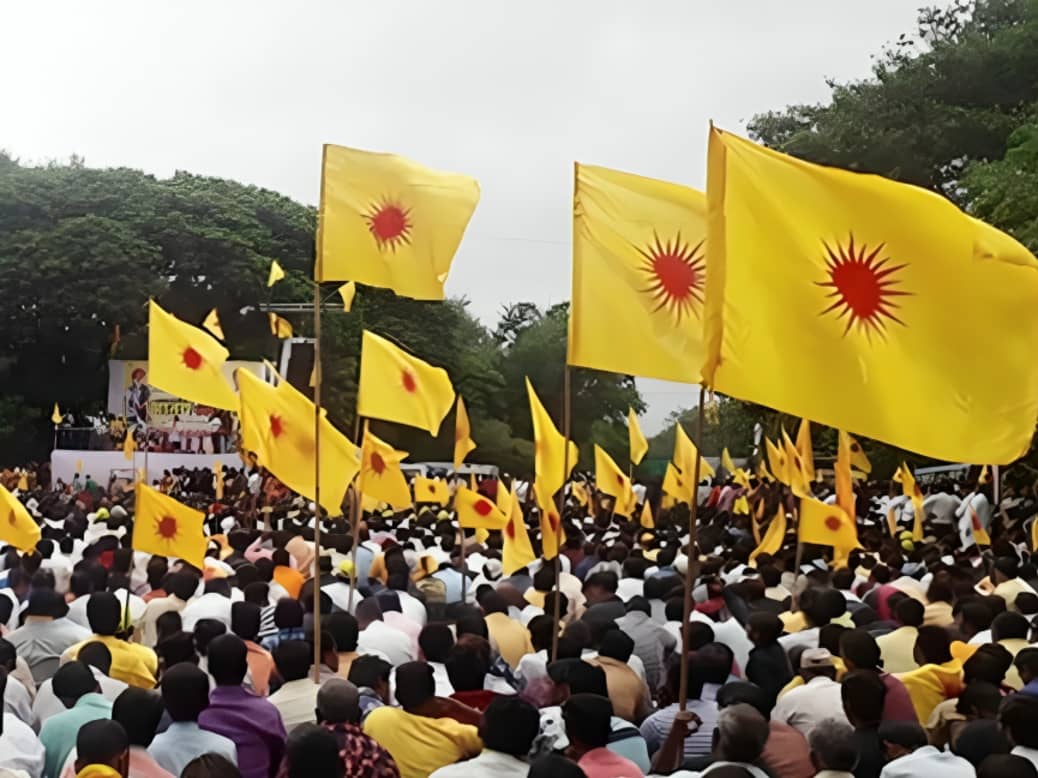
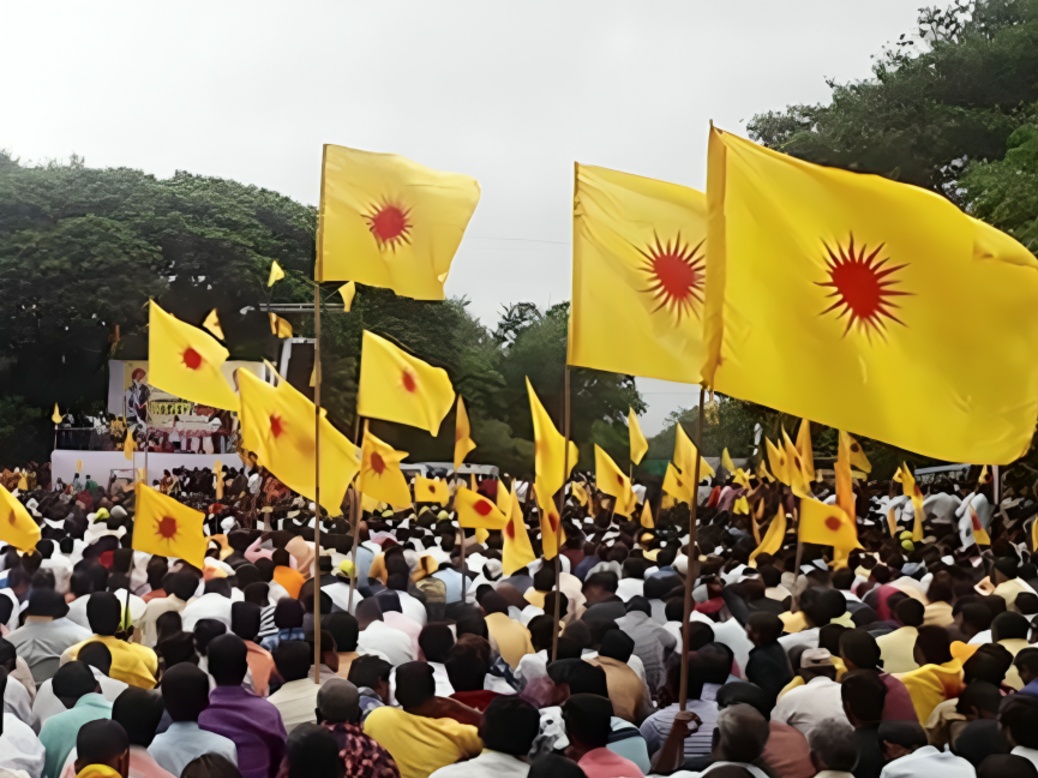
Thousands of members of the Matang community gathered in Mumbai on September 29 to press for sub classification within the Scheduled Caste reservation in Maharashtra. The protest was organised under the banner of Sakal Matang Samaj, with community representatives demanding that a separate share of the existing SC reservation be earmarked for the Matang community.
The protesters have demanded a 5 percent sub quota within the Scheduled Caste reservation. They argue that although the Matang community is one of the larger Scheduled Caste communities in Maharashtra, its members have not received a proportionate share of reservation benefits in education and government employment.
The protest affected traffic movement in South Mumbai. According to reports, thousands of protesters who had permission to gather at Azad Maidan moved onto roads around Chhatrapati Shivaji Maharaj Terminus and other parts of the area. Traffic movement was significantly affected, and police personnel were deployed to manage the situation and repeatedly asked protesters to remain at the designated protest location.
The Matang community’s demand is linked to the broader debate over sub classification within the Scheduled Caste category. In August 2024, a seven judge Constitution Bench of the Supreme Court held by majority that sub classification of Scheduled Castes for the purpose of reservation is permissible. The judgment overruled the earlier position in E V Chinnaiah that had restricted such sub classification. The Court’s decision opened the constitutional route for states to consider internal classification within the SC quota, subject to the requirements laid down by the Court.
The Supreme Court judgment, however, does not automatically create a 5 percent quota for the Matang community in Maharashtra. Any such arrangement has to be formulated and implemented through the appropriate constitutional and legal process by the state. The Maharashtra government has been examining the issue of SC sub categorisation and has indicated that different sections of the community would be heard before a proposal is taken forward.
Maharashtra Social Justice Minister Sanjay Shirsat had earlier said that the government would consider the issue transparently and would seek the views of different sections before moving ahead. A committee headed by former Patna High Court judge Justice Anant Manohar Badar had submitted a report to the Maharashtra government on the framework for SC sub categorisation. The government subsequently appointed another committee headed by Chief Secretary Rajesh Aggarwal to invite suggestions and objections and conduct hearings.
The current protest has focused attention on the question of how reservation benefits are distributed among the communities included in the Scheduled Caste list. Matang representatives have alleged that relatively stronger communities within the SC category have received a larger share of educational and employment benefits. These are claims made by representatives of the Matang community and are part of the ongoing debate over sub categorisation.
The Times of India reported that protesters demanded two broad sub categories within the SC reservation, described as Deprived SC and Other SC, with the existing reservation divided between them. Protesters said their objective was not a separate caste classification but an internal arrangement that would provide reservation benefits in education and government employment to communities they consider disadvantaged.
The demand has also generated debate among other Scheduled Caste groups. Some sections have expressed concerns about dividing the existing SC reservation into further categories, while Matang representatives have argued that an internal quota could ensure that reservation benefits reach communities that they believe have received fewer benefits historically. These differing positions are part of the wider discussion taking place in Maharashtra.
Maharashtra currently has a 13 percent reservation for Scheduled Castes. Reports on the state’s sub categorisation debate note that several communities are included within the SC category, and the distribution of benefits among these communities has become a major point of discussion.
Chief Minister Devendra Fadnavis has said that the state government supports undertaking sub classification within the Scheduled Castes in accordance with the Supreme Court judgment, with the stated objective of ensuring that communities that have not benefited adequately from reservation can also receive its benefits. The government has also indicated that the matter requires consultation and a consensus-oriented approach.
The Mumbai protest therefore places pressure on the Maharashtra government to clarify its position and the next steps in the sub categorisation process. The protesters have sought a written assurance and a formal government decision on their demand. Government representatives have held discussions with community leaders, but a final decision on the specific 5 percent demand has not been announced.
The issue is likely to remain part of Maharashtra’s wider debate on social justice, representation and the distribution of reservation benefits. Any final decision will have to take into account the Supreme Court’s 2024 ruling, relevant constitutional provisions, available data and the concerns of different communities covered by the Scheduled Caste reservation.