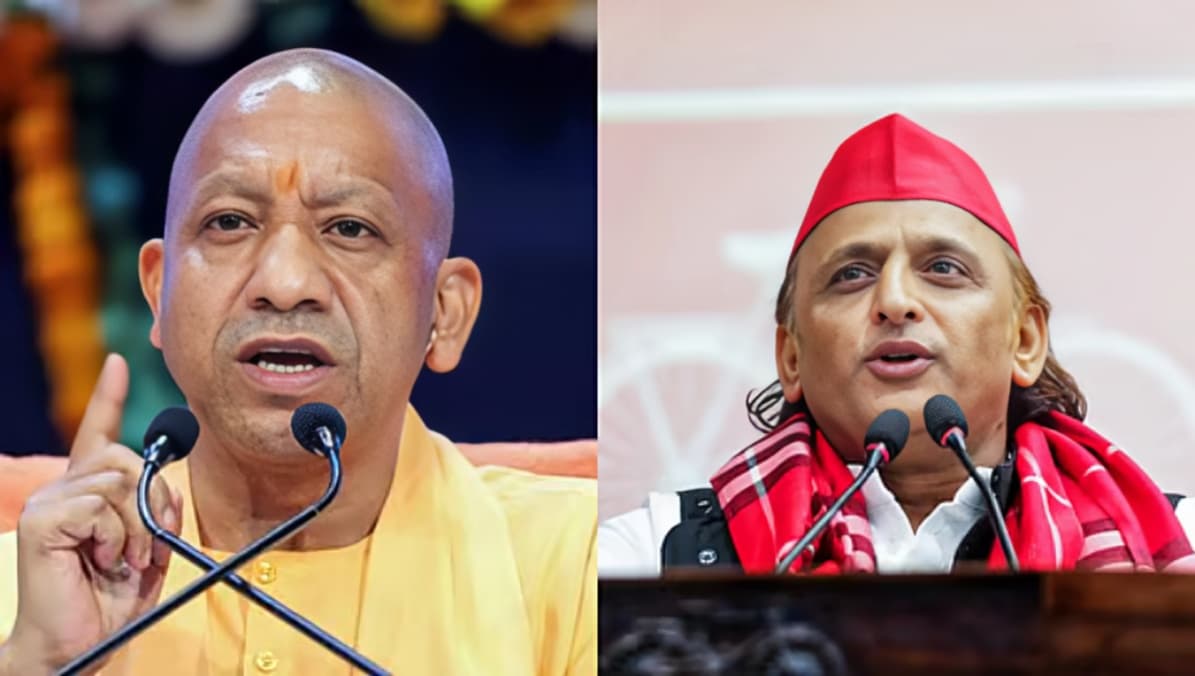
Akhilesh Yadav Says MLC Election Results Signal BJP's Political Challenges Ahead of 2027
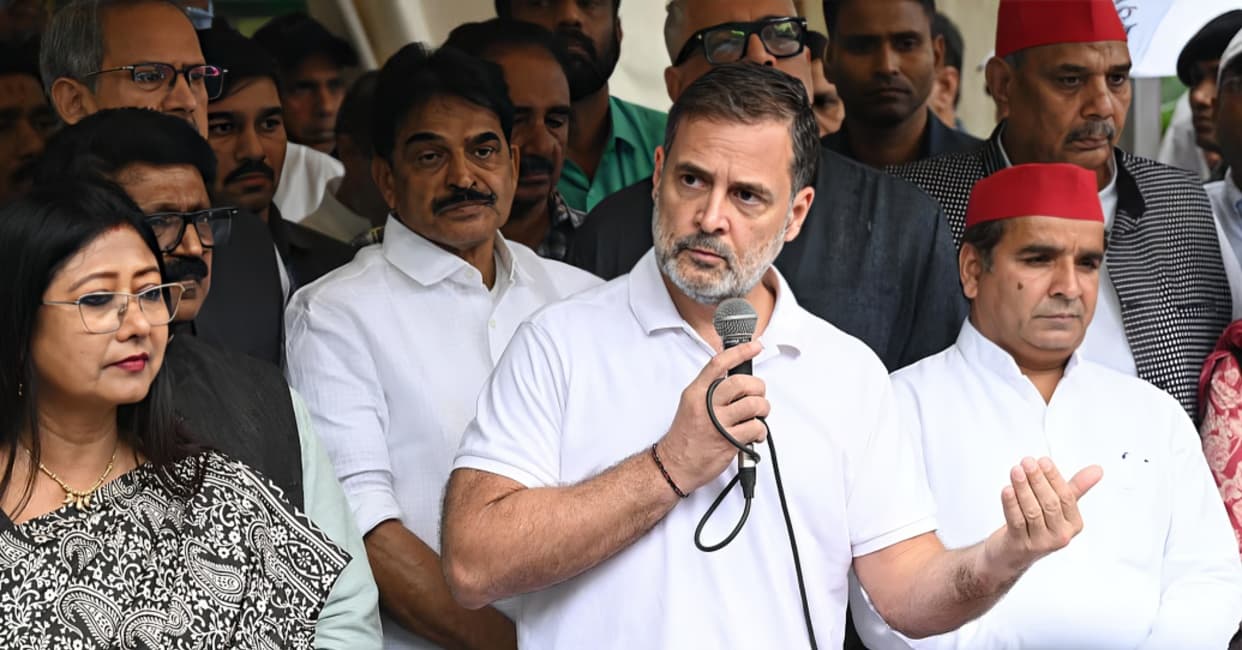
Samajwadi Party president Akhilesh Yadav has described the recent Uttar Pradesh Legislative Council election results as an indication of the political situation that could emerge ahead of the 2027 Assembly elections. Reacting to the party's performance, Yadav claimed that the results showed a decline in the Bharatiya Janata Party's political influence in parts of Uttar Pradesh.
Yadav highlighted the Samajwadi Party's recent successes in the Legislative Council elections and said the outcome reflected the changing political mood in the state. He particularly referred to the BJP's performance in Varanasi, claiming that the ruling party had lost considerable ground in the region. According to him, the results indicated that the BJP could face stronger political competition as the next Assembly elections approach.
The Uttar Pradesh Legislative Council elections are an important part of the state's political landscape. Although these elections are different from Assembly elections, their results can offer political parties an opportunity to assess organisational strength, voter support and the effectiveness of their campaign strategies. Political leaders often use such outcomes to evaluate their position and prepare for future electoral contests.
Akhilesh Yadav's remarks come as political parties begin focusing on the 2027 Uttar Pradesh Assembly elections. The Samajwadi Party is seeking to strengthen its position as the principal opposition party in the state, while the BJP is expected to defend its political influence and highlight the performance of the state government.
Varanasi was a major focus of Yadav's comments. The city is politically significant because it is represented in the Lok Sabha by Prime Minister Narendra Modi. It is also an important religious and cultural centre that attracts visitors from across India and abroad. The BJP has maintained a strong political presence in the region, making electoral developments there important for the party.
Yadav claimed that the BJP's performance in Varanasi demonstrated that the party was vulnerable despite its strong political position in the state. He presented the results as a sign that the ruling party could face challenges in the coming elections. However, the outcome of Legislative Council elections alone does not determine the result of a future Assembly election, which will depend on several political and electoral factors.
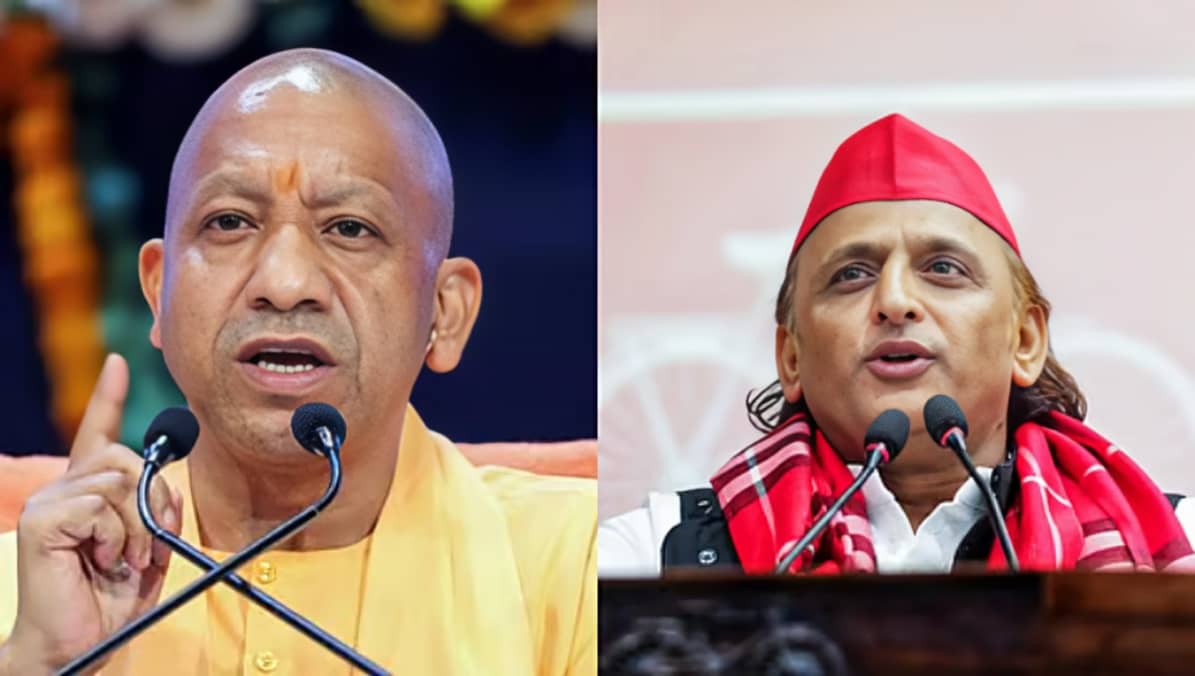
The Samajwadi Party leader also criticised Chief Minister Yogi Adityanath over the development priorities of Varanasi and Gorakhpur. He accused the chief minister of favouring Gorakhpur at the expense of Varanasi. The allegation formed part of his broader criticism of the state government's approach to regional development.
Gorakhpur is another politically important city in Uttar Pradesh and has a strong association with Yogi Adityanath, who represented the constituency in Parliament before becoming chief minister. Yadav's comments sought to draw attention to what he described as an imbalance in the government's focus on the two cities.
The development of major cities is often a subject of political debate in Uttar Pradesh. Issues such as infrastructure, public services, transport, employment opportunities and investment are regularly raised by political parties when discussing the performance of the state government. Yadav's remarks placed the development of Varanasi and Gorakhpur within this wider political discussion.
The BJP and the Samajwadi Party are likely to focus on organisational preparations, public outreach and local political issues as the 2027 Assembly elections draw closer. For the Samajwadi Party, the recent Legislative Council election results provide an opportunity to project political momentum and strengthen its position among voters. For the BJP, the challenge will be to maintain support and respond to criticism from opposition parties.
Yadav's statement also reflects the growing importance of regional electoral results in shaping political narratives. Even when elections are held for a different legislative body, political parties often use their outcomes to highlight strengths and weaknesses. Such results can influence discussions within party organisations and help leaders identify areas that require greater attention.
However, the political significance of the results will need to be assessed in the context of the specific constituencies, voter groups and issues involved. Legislative Council elections and Assembly elections follow different electoral processes, and their results cannot be directly treated as a prediction of the next Assembly outcome.
The Samajwadi Party leader's comments have nevertheless brought renewed attention to the political contest in Uttar Pradesh. By highlighting the party's performance, the BJP's position in Varanasi and the alleged differences in development priorities between Varanasi and Gorakhpur, Yadav has sought to question the ruling party's political strength ahead of 2027.
As preparations for the next Assembly elections continue, the BJP and the Samajwadi Party are expected to intensify their political activities across the state. The coming months will show how both parties respond to electoral developments and public concerns. For now, Akhilesh Yadav has presented the MLC election results as an indication of the challenges the BJP may face in Uttar Pradesh in 2027.