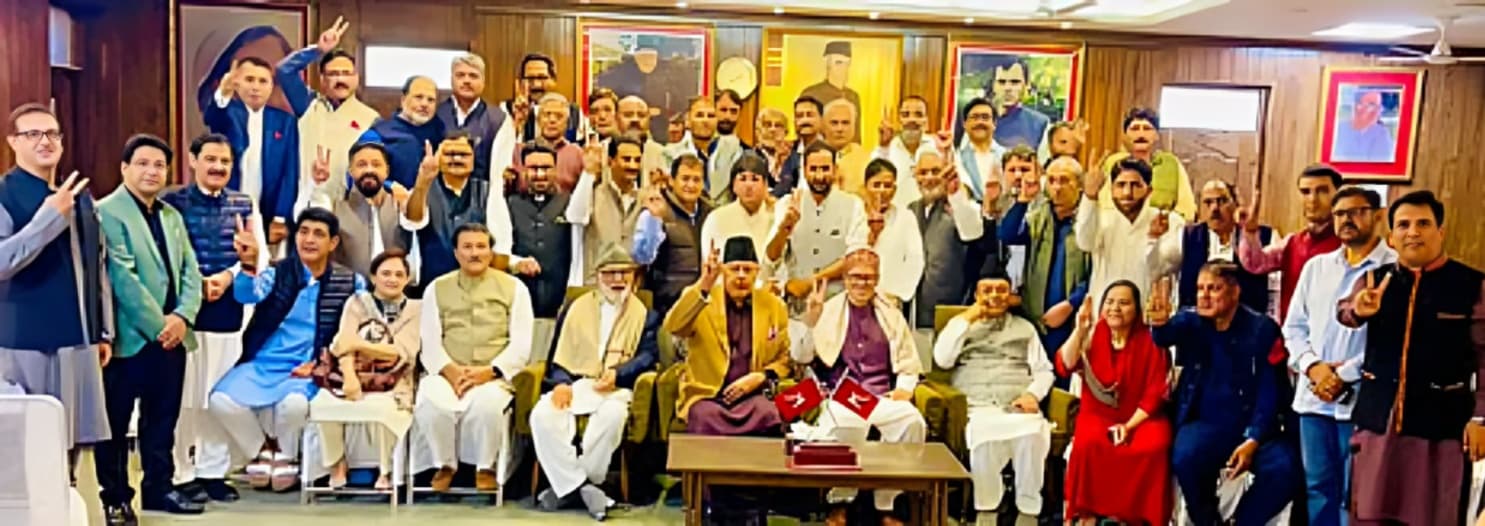
National Conference Faces Internal Tensions as Around 20 MLAs Demand Organisational Changes
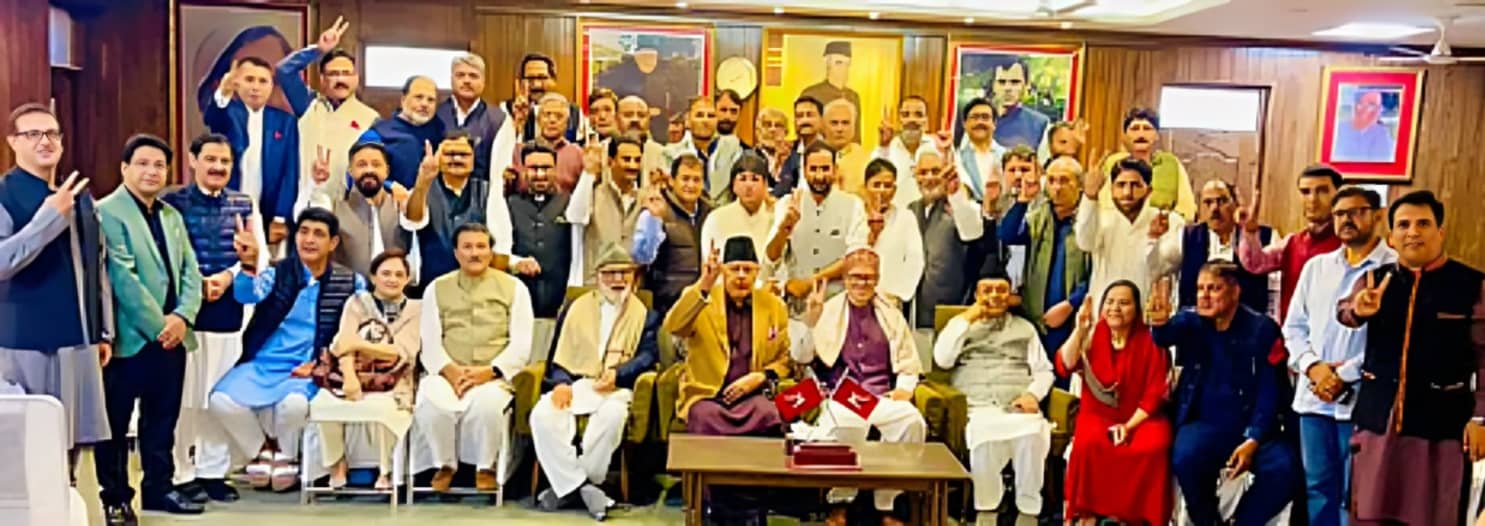
The National Conference is facing an internal organisational challenge in Jammu and Kashmir, with around 20 party MLAs reportedly seeking changes to the party structure and the removal of certain office-bearers. The development has drawn attention to differences within the party following Chief Minister Omar Abdullah's recent cabinet expansion.
The demand for organisational changes has reportedly come from a group of legislators who believe that the party's internal structure needs to be strengthened. Their concerns include the functioning of certain office-bearers and the need for changes in the party leadership structure. The developments have raised questions about internal coordination within the National Conference at a time when the party is governing Jammu and Kashmir.
Senior National Conference MLA Abdul Majid Larmi has spoken about the need for changes within the organisation. He said the party requires a cleansing process to remove individuals who, according to him, have hijacked the organisation. His remarks indicate dissatisfaction among some party members over the current functioning of the party structure.
Larmi also clarified that the initiative should not be viewed as a rebellion against the party leadership. Instead, he described the demand as an effort to strengthen the organisation and improve its internal functioning. His statement suggests that the legislators raising these concerns want changes within the party rather than a split or confrontation with its leadership.
The reported demand involving around 20 MLAs has become significant because it comes after Chief Minister Omar Abdullah's recent cabinet expansion. Cabinet decisions and the allocation of ministerial positions can influence political discussions within parties, particularly when different leaders and legislators have expectations regarding representation and organisational responsibilities.
However, the available information does not establish that the cabinet expansion alone caused the current differences. The legislators' reported concerns appear to extend beyond ministerial appointments and include broader questions about the party's organisational structure and the role of certain office-bearers.
The National Conference is one of the major political parties in Jammu and Kashmir and has played an important role in the region's political history. Maintaining organisational unity is therefore important for the party, particularly while it is in government. Differences among legislators and senior leaders can affect internal coordination, political messaging and the party's ability to address governance-related issues.
The demand for a cleansing process also reflects the importance of accountability within political organisations. Party members may seek changes when they believe that the existing structure is not functioning effectively or that certain individuals have gained excessive influence. Such demands can lead to internal discussions about leadership responsibilities, organisational appointments and the future direction of the party.
At the same time, the manner in which the leadership responds to these demands will be important. Discussions between senior leaders, legislators and office-bearers could help address the concerns and prevent further differences from developing. A clear organisational response may also help maintain confidence among party workers and supporters.
The reported involvement of around 20 MLAs makes the issue particularly important for the party leadership. Their demand indicates that the concerns are not limited to a single legislator. However, the exact list of legislators involved, the specific office-bearers whose removal has been sought and the details of any proposed organisational changes have not been established in the available report.
Abdul Majid Larmi's statement that the initiative is not a rebellion is also an important aspect of the ongoing developments. It suggests that those seeking changes want their concerns to be understood as an internal reform effort. Whether the party leadership accepts the demands or initiates discussions with the legislators remains an important question.
The situation has placed the National Conference's internal functioning under public attention. Political observers are likely to watch how the party handles the reported differences and whether the leadership introduces changes to its organisational structure.
For now, the reported demand by around 20 MLAs represents an internal challenge for the National Conference following the recent cabinet expansion led by Chief Minister Omar Abdullah. The party's response will be important in determining whether the concerns can be resolved through internal discussions and organisational reforms.
The developments underline the need for unity and effective coordination within the National Conference as it continues its political and administrative responsibilities in Jammu and Kashmir. The coming days may provide greater clarity on the legislators' demands and the party leadership's next steps.