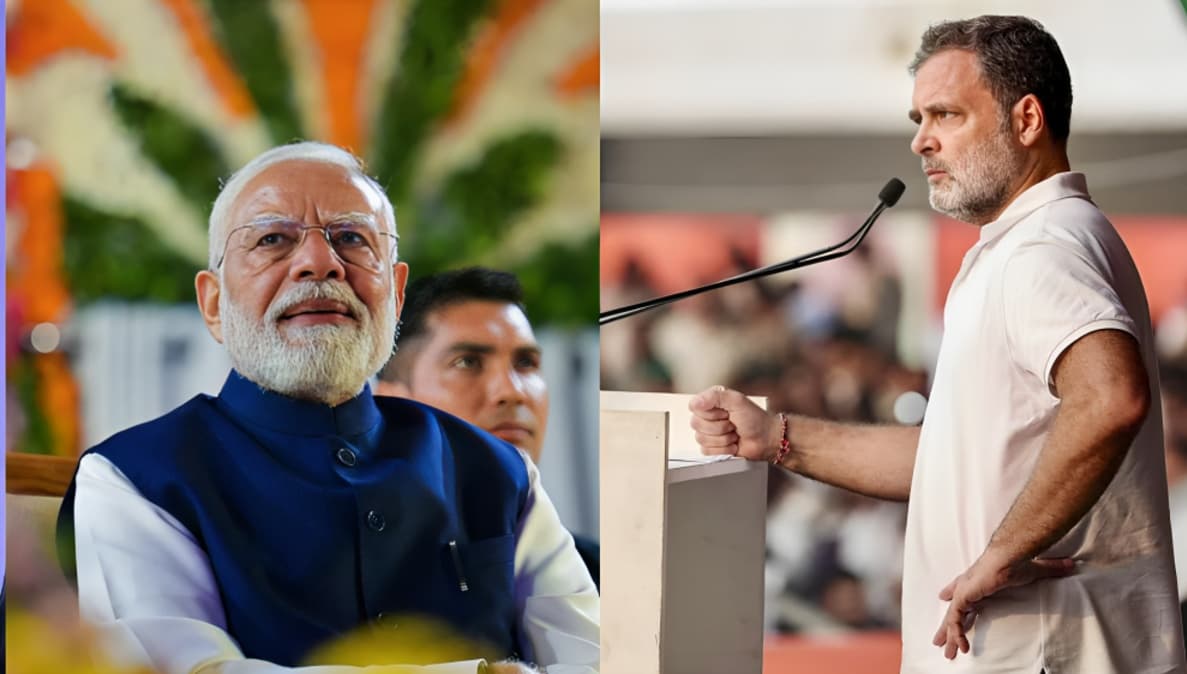
Rahul Gandhi Challenges PM Modi to Open Debate Over Alleged Foreign Support
A fresh political exchange has emerged between Congress leader Rahul Gandhi and Prime Minister Narendra Modi after both leaders made remarks concerning alleged foreign influence, the role of the Opposition and the use of social media in Indian politics.
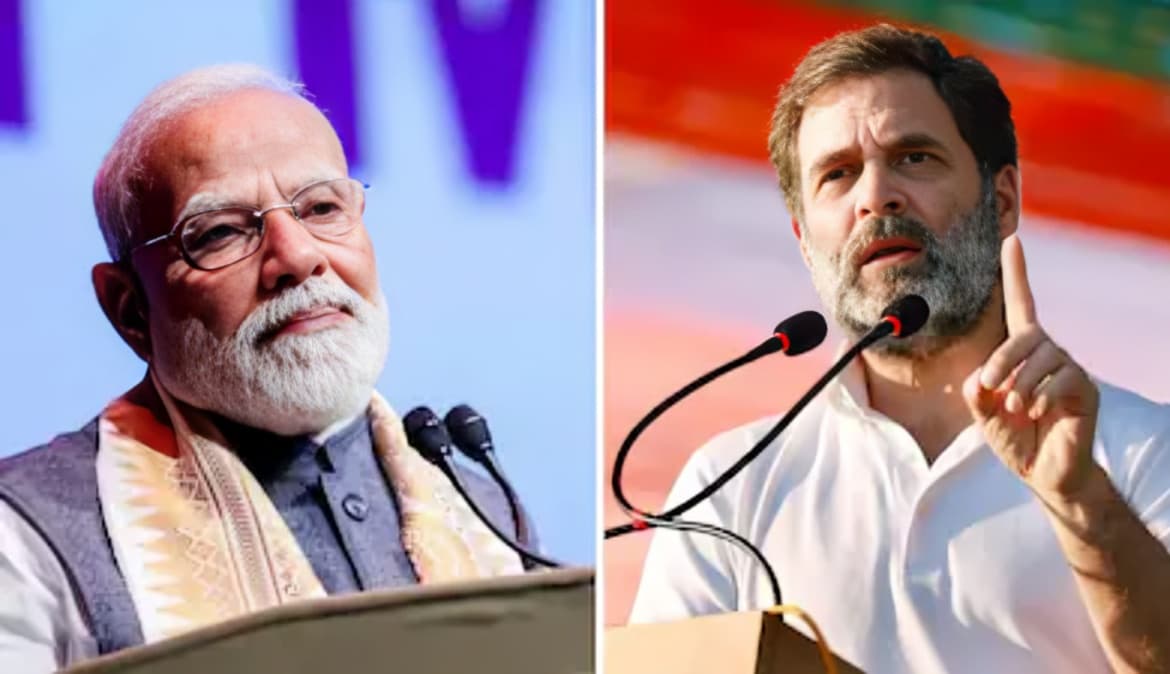
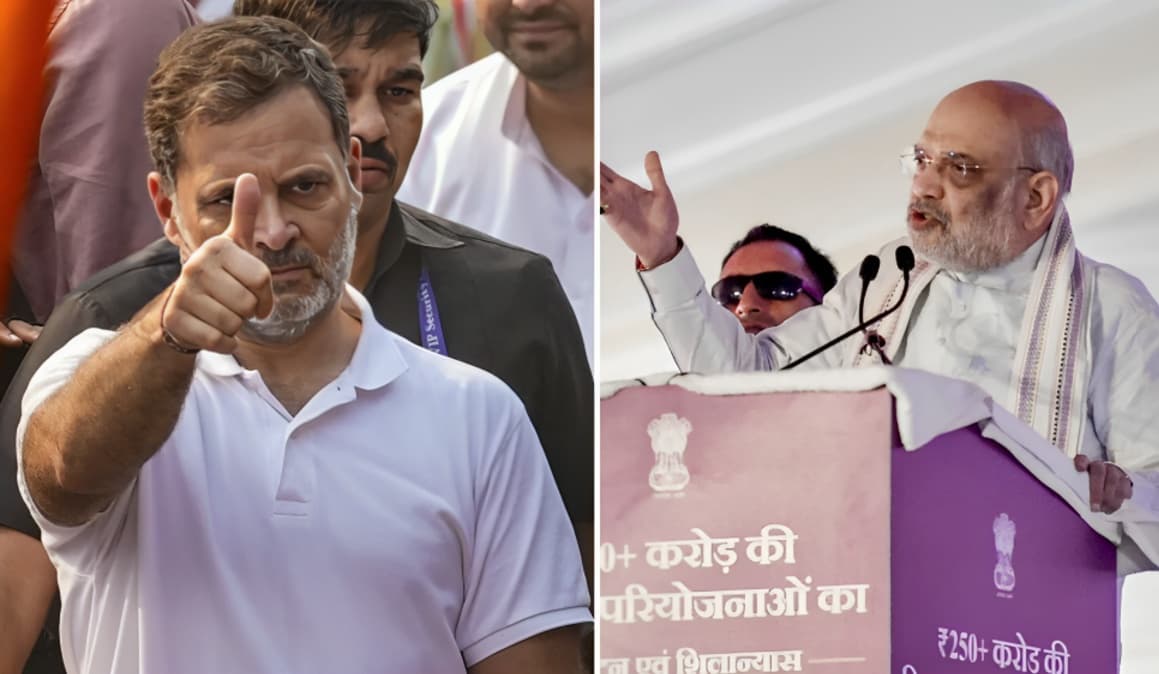
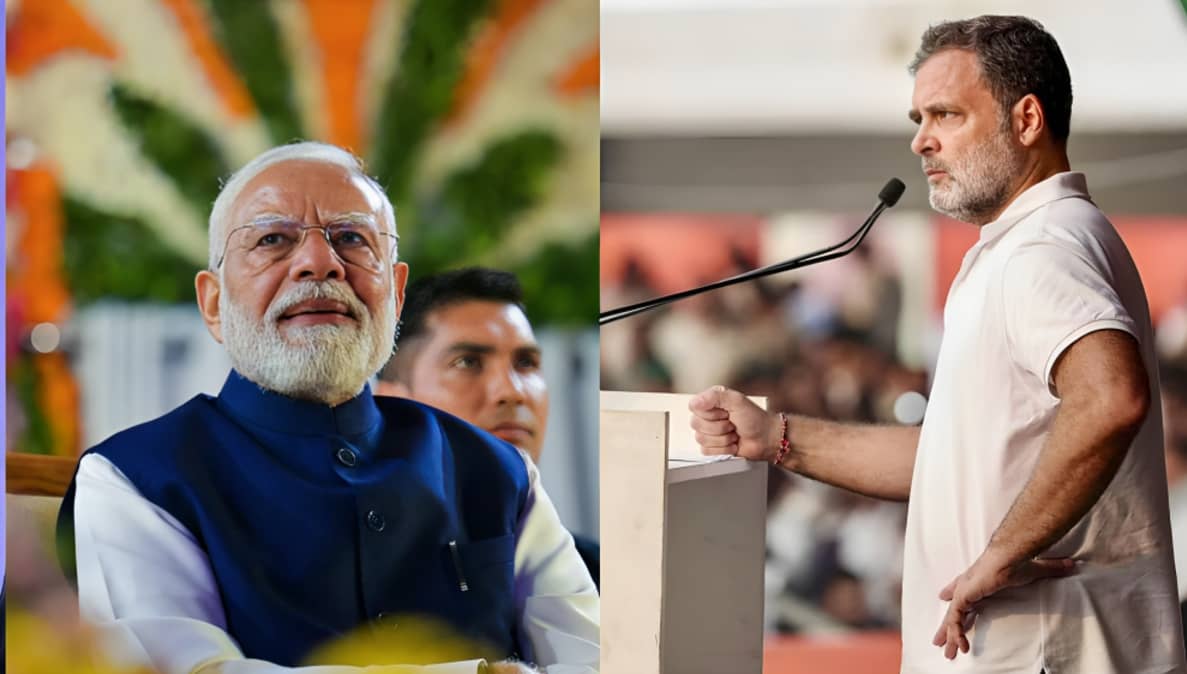
Rahul Gandhi, the Leader of the Opposition in the Lok Sabha, challenged Prime Minister Modi to participate in an open debate after responding to the Prime Minister’s recent criticism of the Opposition. Gandhi alleged that Modi became and continued as Prime Minister with foreign support. He also claimed that foreign social media platforms backed the Prime Minister.
The remarks were made in a post on the social media platform X on Monday, November 2, 2026. Gandhi said he was ready to discuss the allegations in an open debate and challenged Modi to join him on any platform at any time.
Rahul Gandhi Makes Allegations Against Prime Minister Modi
In his social media post, Rahul Gandhi accused Prime Minister Modi of misleading the country and alleged that foreign assistance played a role in his rise to power and his continuation in office.
Gandhi also claimed that India's financial system was controlled and supported by foreign interests. Referring to social media, he alleged that foreign platforms fully backed the Prime Minister.
He then challenged Modi to take part in an open debate on the subject. Gandhi said he was prepared to participate at any venue and at any time. He also questioned whether the Prime Minister would accept the challenge.
The allegations were made as part of a political response to Modi's recent comments about the Opposition and alleged foreign links. Gandhi did not provide detailed supporting evidence in the post for the claims about foreign assistance or control of the financial system.
What Prime Minister Modi Said About the Opposition
The exchange followed Prime Minister Modi's address at the Rashtriya Ekta Diwas celebrations on October 31. The event was held at Ekta Nagar in Gujarat to mark the birth anniversary of Sardar Vallabhbhai Patel.
During his speech, Modi criticised the Opposition and said its role in a democracy was to question government policies. However, he alleged that the Opposition had moved away from this responsibility and had become an obstructionist force.
The Prime Minister argued that political opponents were creating obstacles to the country's development out of frustration and disappointment. He also accused certain groups of undermining the dignity and sanctity of the Constitution.
Modi's remarks included questions about alleged meetings between individuals in India and foreign groups. He asked which forces were supporting people accused of acting against India's interests and called on citizens to recognise what he described as attempts to divide the country.
These comments formed the political backdrop to Gandhi's response two days later.
Debate Over Foreign Links and Social Media
Social media became a central part of the exchange between the two leaders. Prime Minister Modi expressed concern about the use of online platforms to spread rumours and damage India's image. He alleged that certain groups were using social media as a tool to create confusion and instability.
Modi called for greater public awareness of such activities and said people should work together to counter attempts to divide society.
Rahul Gandhi responded by turning the foreign-support allegation towards the Prime Minister. He claimed that foreign social media platforms backed Modi and questioned the Prime Minister's own alleged dependence on foreign assistance.
The exchange has brought attention to broader political questions about foreign influence, digital platforms and the responsibilities of political parties when making public allegations.
However, the claims made by both leaders should be understood as political statements. Neither leader's allegations in this exchange should be treated as established facts without supporting evidence.
Political Tensions Between Congress and BJP
The latest remarks reflect continuing political differences between the Congress and the Bharatiya Janata Party. Leaders from both parties have repeatedly criticised each other's positions on governance, national security, democratic institutions and the role of the Opposition.
As the country's principal Opposition party, Congress has maintained that questioning government decisions is an essential part of parliamentary democracy. The BJP, meanwhile, has criticised what it describes as attempts by Opposition parties to obstruct government policies and create political instability.
The latest exchange adds another chapter to this ongoing disagreement. Gandhi's challenge for an open debate has also placed the focus on whether the two leaders will directly discuss the allegations in a public forum.
At the time of the reported statements, there was no confirmed announcement that Prime Minister Modi had accepted Gandhi's invitation to debate. The political challenge therefore remains an offer made by the Congress leader rather than a scheduled event.
What Happens Next?
The remarks are likely to continue the political discussion surrounding foreign influence, social media and the conduct of the Opposition. The issue may also feature in further statements from Congress and BJP leaders.
For now, the central development is Rahul Gandhi's public challenge to Prime Minister Modi and his allegations concerning foreign support. Modi's earlier comments focused on alleged foreign links involving groups he described as working against India's interests, as well as the use of social media to spread rumours.
The two leaders have presented sharply different views on the issue. Any further debate or response will be important in understanding how the political disagreement develops.
For readers, it is important to distinguish between the statements made by political leaders and facts established through independent evidence. The allegations concerning foreign assistance, financial influence and social media support remain claims made in the course of a political exchange.