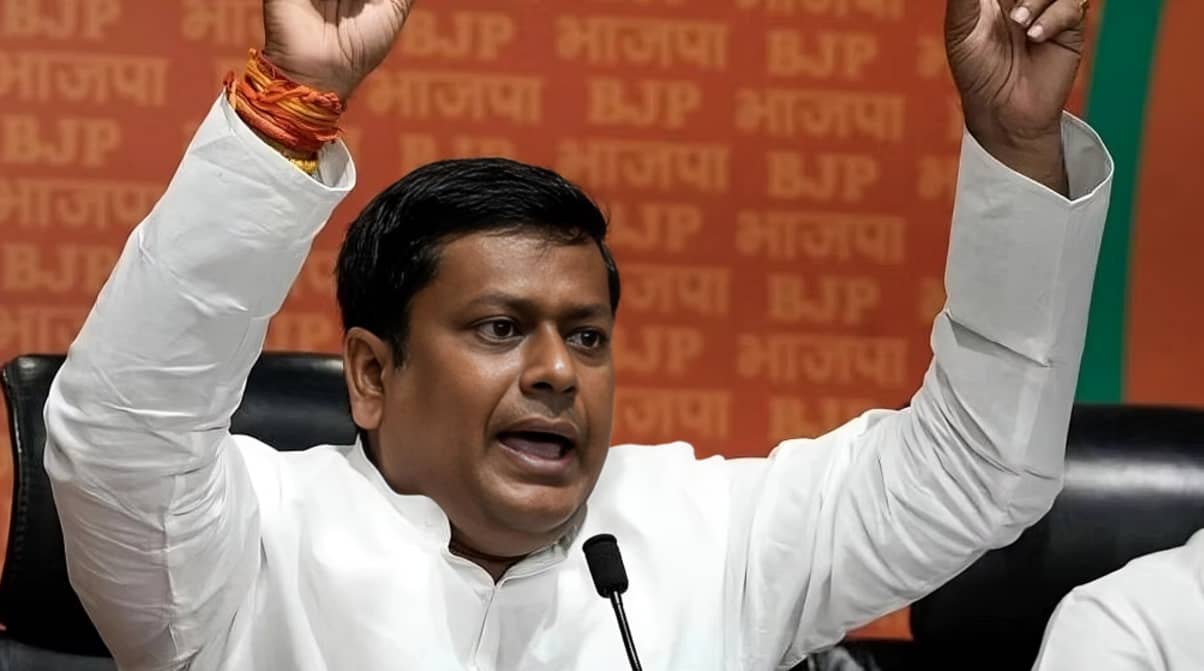
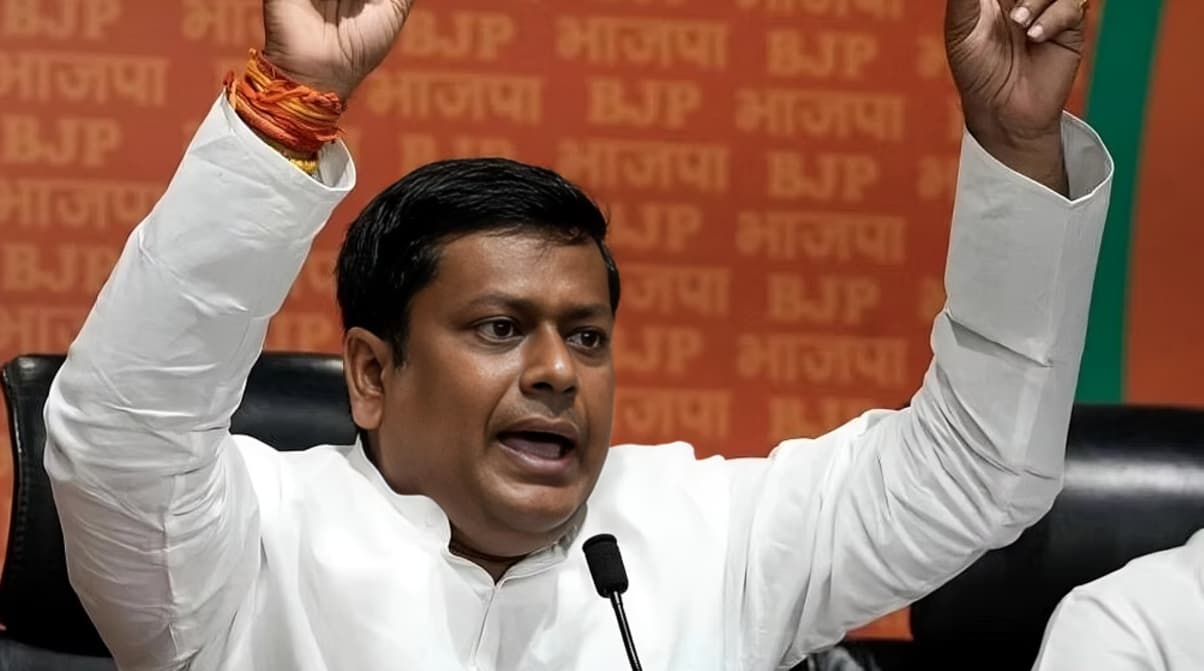
Union Minister of State Sukanta Majumdar has launched a strong political attack on the INDIA bloc, accusing Congress and its alliance partners of attempting to create instability in India and bring about a Bangladesh-like change of government. His remarks came amid the ongoing political dispute over the Election Commission of India's Special Intensive Revision of electoral rolls.
Speaking at a press conference at the Bharatiya Janata Party's state office in Ranchi on November 6, Majumdar defended the voter-list revision exercise and rejected the Opposition's allegations of irregularities. He claimed that the INDIA bloc was questioning constitutional institutions without presenting sufficient evidence to support its accusations.
The minister argued that changes to electoral rolls were part of the election administration process and should not automatically be treated as evidence of political interference. He also accused Opposition parties of creating confusion among voters by presenting the figures relating to deleted or flagged entries without explaining the reasons behind them.
Minister Explains Figures Related to Voter List Changes
Addressing the controversy surrounding reports that around 13 crore names had been removed or flagged during the SIR exercise, Majumdar presented a breakdown of the figures.
According to the minister, approximately 6.3 crore entries related to people who had permanently shifted from their registered residential locations. He said around 2.8 crore entries belonged to deceased individuals, while nearly three crore people were categorised as absent or untraceable during the verification process. He also cited approximately one crore duplicate entries.
Majumdar argued that these categories needed to be considered before drawing conclusions about the exercise. He maintained that the figures did not represent a single category of eligible voters being deliberately removed from the electoral rolls.
However, the figures and the manner in which voter names are identified for deletion have become major points of disagreement between the ruling BJP and Opposition parties. The INDIA bloc has questioned whether eligible voters have been wrongly excluded and has demanded greater transparency in the revision process.
It is important to distinguish between names flagged during the revision and eligible voters finally excluded from the electoral rolls. The Election Commission's published information identifies categories such as deceased, permanently shifted, duplicate and untraceable entries. The claims and objections process is intended to address errors before the finalisation of electoral rolls.
Majumdar Says SIR Is Not a New Exercise
Responding to criticism that the Special Intensive Revision was being conducted in a politically controversial manner, Majumdar said the process was not new to India.
He claimed that intensive revisions of electoral rolls had been conducted 12 times since 1952, with 10 of those exercises taking place during Congress rule. He also pointed out that the previous such revision had taken place in 2004, according to his statement.
The minister argued that the latest exercise should be understood as an administrative effort to update electoral records rather than an exceptional political move. He said the Opposition was presenting the process as unprecedented despite its earlier use under different governments.
The historical frequency and circumstances of previous revisions remain relevant to the political debate. However, Majumdar's figures about the number of previous exercises and the governments under which they took place are his claims and should be considered in that context.
Election Commission's Position on the SIR Process
The Election Commission of India has stated that the main objective of the Special Intensive Revision is to maintain accurate and updated electoral rolls. The process is designed to identify entries that may no longer meet the requirements for inclusion, while ensuring that eligible voters are not left out.
According to information published by the Ministry of Law and Justice in July 2026, the revision process includes house-to-house enumeration by Booth Level Officers. The exercise also involves the preparation of draft electoral rolls, followed by a period during which voters and political parties can submit claims and objections.
The Election Commission has identified several broad categories for possible deletion, including deceased electors, people who have permanently shifted residence, duplicate registrations and individuals who remain untraceable despite repeated visits by officials.
The Commission has also outlined safeguards against wrongful deletion. These include repeated attempts by Booth Level Officers to contact voters, recording the reasons for proposed deletions, publishing draft rolls and allowing objections through the prescribed forms.
Eligible individuals who believe their names have been wrongly excluded can use the prescribed procedures to seek inclusion or correction. The process also provides for appeals before designated authorities.
These procedures have become particularly important as political parties continue to question the accuracy and transparency of the voter-list revision.
Opposition Raises Concerns Over Voter Exclusion
The INDIA bloc and other Opposition groups have raised concerns about the scale of changes made during the SIR exercise. Their criticism centres on whether eligible citizens could lose their voting rights because of errors in verification, inaccurate records or difficulties in establishing their residential details.
Opposition leaders have also questioned the transparency of the process and demanded accountability from the Election Commission. At a recent rally in Delhi, INDIA bloc representatives alleged that the revision could disproportionately affect vulnerable and disadvantaged communities.
The Election Commission, meanwhile, has maintained that the exercise follows established procedures and includes mechanisms for voters to raise objections and seek corrections. The disagreement has therefore developed into a wider political debate about electoral transparency, institutional independence and the protection of voting rights.
Majumdar Criticises Opposition's Political Strategy
During the Ranchi press conference, Majumdar accused the INDIA bloc of using the SIR controversy to create political unrest. He argued that democratic governments should be changed through elections and the people's votes rather than street protests or disorder.
He also referred to Union Home Minister Amit Shah's reported challenge to Congress leader Rahul Gandhi to discuss the issue in Parliament. Majumdar suggested that parliamentary discussion would provide an opportunity to examine the allegations and clarify the concerns surrounding the revision process.
The minister further criticised Rahul Gandhi over his statements on alleged vote theft. He argued that accusations concerning electoral irregularities should be supported by verifiable evidence rather than political assertions.
Majumdar also made remarks about Gandhi's overseas visits and political activities. These comments formed part of his broader criticism of the Congress leadership and its campaign against the SIR exercise.
Electoral Roll Revision Remains a Major Political Issue
The controversy surrounding the Special Intensive Revision has become an important political issue, with the BJP defending the exercise as necessary for maintaining accurate voter records and the INDIA bloc demanding stronger safeguards against wrongful exclusion.
The debate involves two central questions: whether electoral rolls accurately reflect eligible voters and whether the verification process provides sufficient protection against errors. While the Election Commission has outlined procedures for verification, objections and appeals, Opposition parties continue to demand greater transparency.
Majumdar's latest remarks have added another dimension to the political confrontation. His allegations about a Bangladesh-like political situation reflect the BJP's criticism of the Opposition's campaign, while the INDIA bloc continues to question the conduct and impact of the revision.
The issue is likely to remain part of the national political discussion as parties examine voter-list changes and prepare for upcoming electoral contests. Ultimately, the credibility of the process will depend on accurate verification, transparent publication of electoral data and effective remedies for eligible voters whose names may have been wrongly excluded.