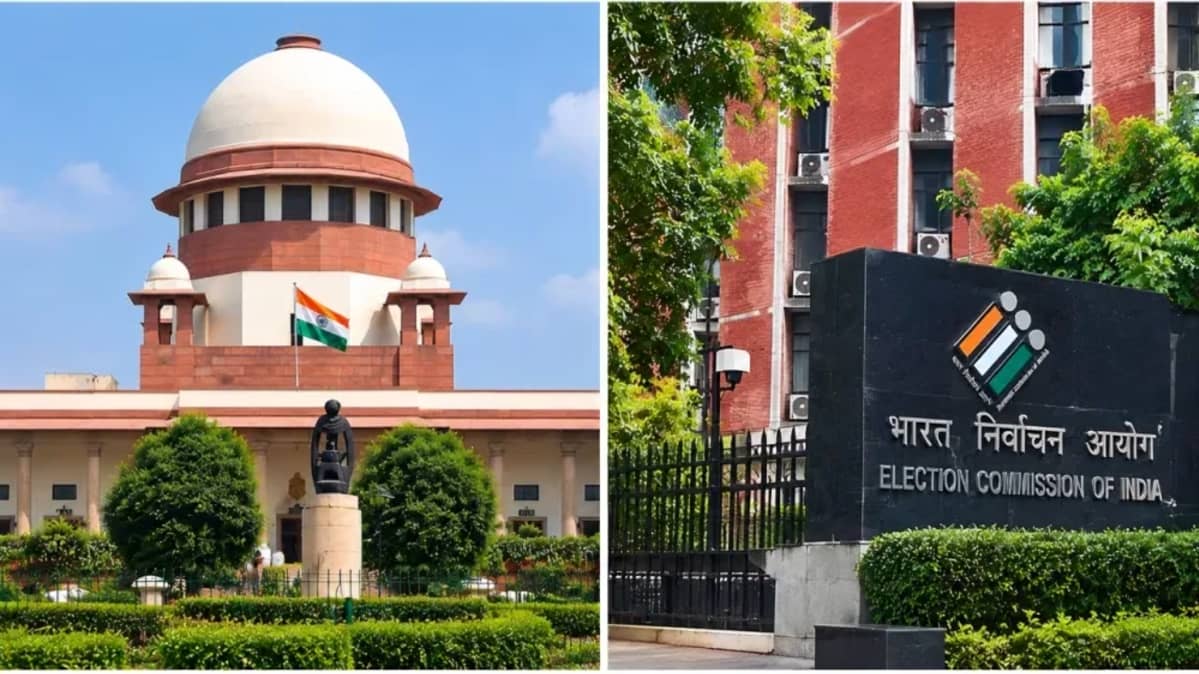
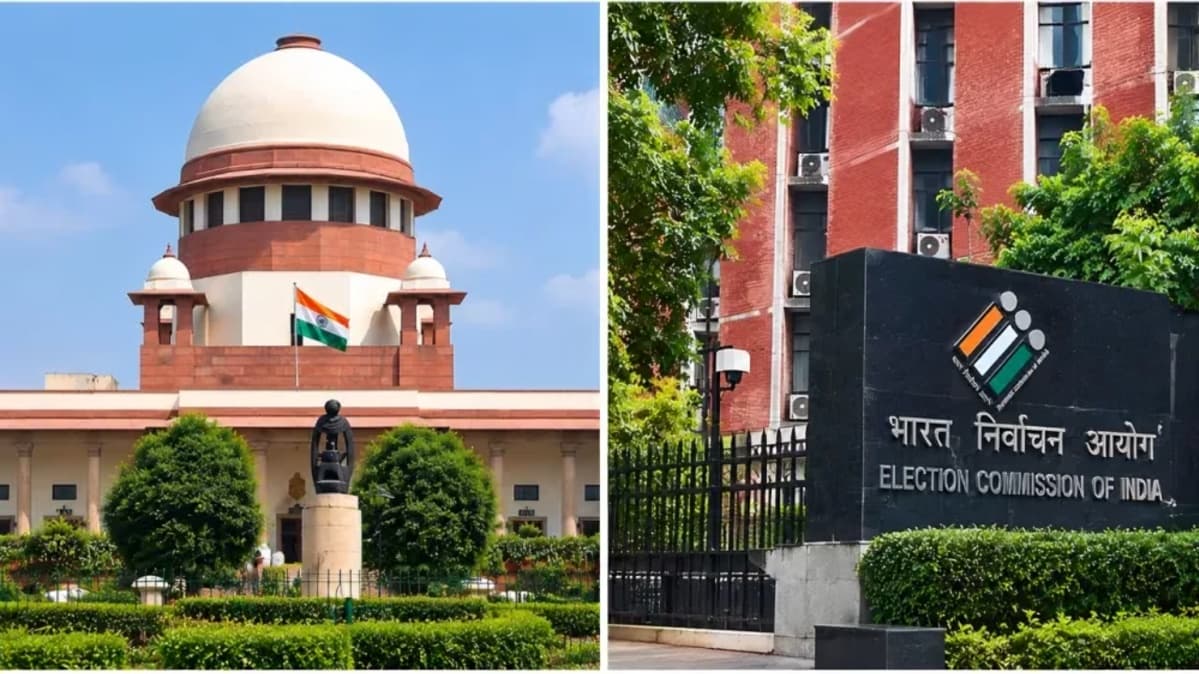
The Supreme Court of India has taken up a petition filed by Trinamool Congress Member of Parliament Dola Sen challenging changes made by the Election Commission of India to Form 6, which is used in the voter registration process. The case has drawn attention to electoral roll procedures, the authority of the Election Commission and the importance of transparency in maintaining voter records.
During the hearing, senior advocates presented arguments concerning alleged alterations to electoral roll forms. The petition raises questions about the changes introduced by the Election Commission and the procedures followed in implementing them.
The Election Commission defended its actions during the proceedings, maintaining that the decisions were taken unanimously. The Supreme Court indicated that it was aware of the issues raised and would decide the matter after considering the arguments.
The court's notice represents a procedural step in the legal proceedings. It does not mean that the allegations have been established or that the court has already ruled against the Election Commission. The final outcome will depend on the legal arguments, relevant records and the court's assessment of the issues involved.
Importance of Form 6 in Voter Registration
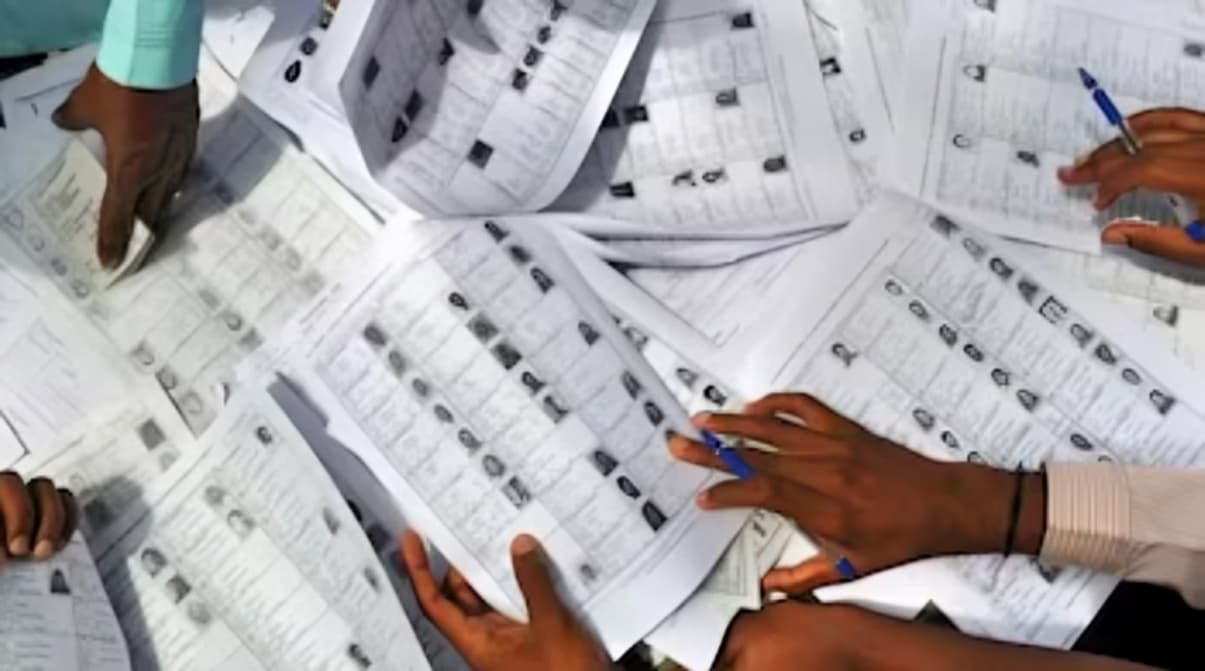
Form 6 is an important document in India's electoral registration system. It is generally used by eligible citizens to apply for the inclusion of their names in the electoral roll of a constituency.
Electoral rolls identify citizens who are registered to vote in a particular constituency. Accurate voter lists are essential for conducting elections and ensuring that eligible citizens can exercise their voting rights.
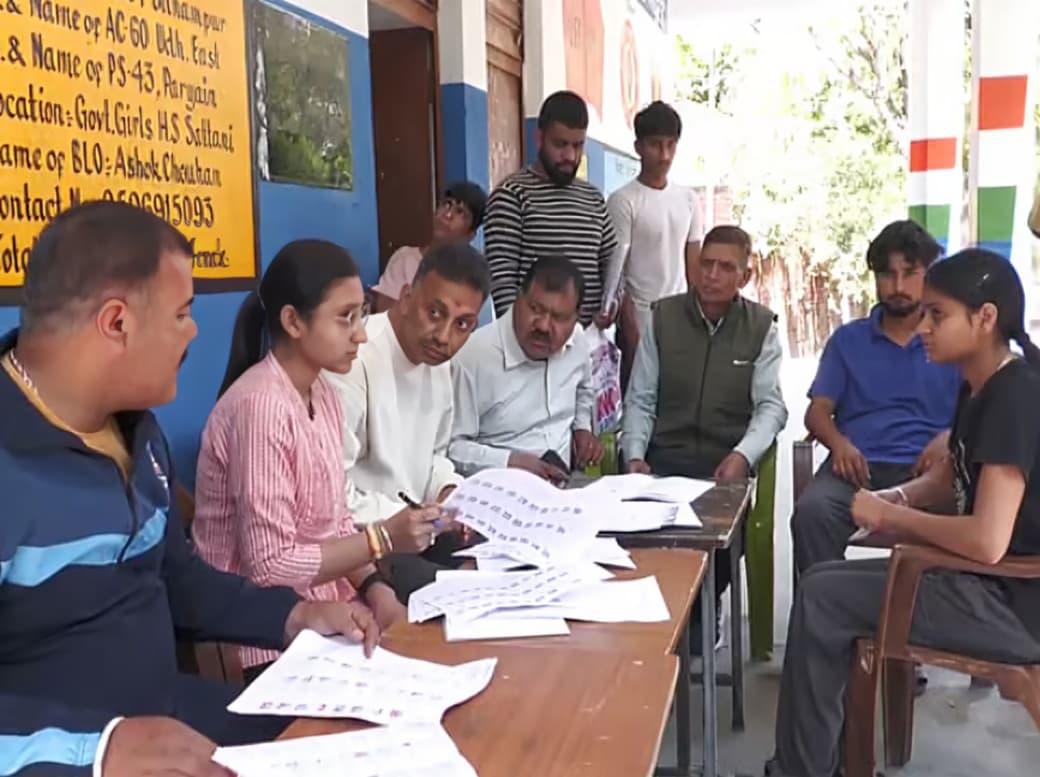
The registration process requires election authorities to examine applications and maintain voter records in accordance with the applicable rules. Changes to forms or related procedures can therefore have implications for how citizens apply for registration and how officials process those applications.
Clear instructions and transparent procedures help voters understand the requirements for registration. They also help political parties and other stakeholders assess whether the electoral process is being administered consistently.
The petition filed by Dola Sen brings the changes to Form 6 before the Supreme Court for judicial consideration. The legal proceedings may clarify the issues raised concerning the revised form and the authority under which the changes were introduced.
Dola Sen Raises Concerns About Electoral Roll Forms
Trinamool Congress MP Dola Sen has challenged the Election Commission's changes to Form 6 through a petition before the Supreme Court. During the hearing, senior advocates presented arguments about what they described as possible tampering with electoral roll forms.
The concerns relate to the procedures governing voter registration and the changes made to the relevant documentation. Since electoral rolls determine who is registered to vote, the procedures used to prepare and update them are important to the integrity of elections.
Legal challenges involving electoral procedures allow courts to examine whether administrative decisions comply with the applicable legal framework. The petition provides an opportunity for the concerns raised by the petitioner to be considered alongside the Election Commission's response.
However, allegations presented during court proceedings should not be treated as proven facts unless supported by evidence and established through the appropriate process. The available information does not establish that the Election Commission unlawfully altered Form 6.
The Supreme Court's consideration of the matter will be important in determining whether the issues raised require any legal clarification or further action.
Election Commission Defends Its Decision
The Election Commission of India defended its position during the hearing and stated that the decisions concerning the matter had been taken unanimously.
As the authority responsible for administering elections, the Election Commission oversees several aspects of the electoral process, including voter registration and the preparation and maintenance of electoral rolls.
Changes to voter registration forms and procedures must operate within the applicable legal framework. When such changes are challenged, the court may consider the reasons provided by the Commission, the objections raised by the petitioner and the relevant legal provisions.
The Commission's statement about unanimous decision-making forms part of its defence in the proceedings. However, whether the changes comply with the law is a separate question for judicial consideration.
The case highlights the importance of maintaining clear records of administrative decisions and providing explanations when electoral procedures are questioned. Transparency can help voters understand the registration process and strengthen confidence in the institutions responsible for conducting elections.
Supreme Court Says It Will Decide the Matter
The Supreme Court indicated during the hearing that it was aware of the issues raised and would decide the matter. The observation suggests that the court intends to consider the dispute, but it should not be interpreted as a final decision on the validity of the changes to Form 6.
The court's eventual determination will depend on the legal arguments and materials placed before it. The proceedings may also involve responses from the relevant authorities and further consideration of the rules governing electoral registration.
Issuing a notice allows the legal process to move forward and gives the relevant parties an opportunity to address the issues raised. It does not, by itself, establish that the petitioner's allegations are correct.
The case is significant because electoral registration is a fundamental part of election administration. A judicial decision could help clarify the legal requirements applicable to changes in voter registration forms and the procedures used by election authorities.
Why Transparency in Electoral Rolls Matters
Accurate electoral rolls are essential to a fair and reliable election process. They help ensure that eligible citizens can register to vote and that election officials have dependable records when preparing for elections.
Any changes to voter registration procedures should be communicated clearly so that citizens understand the requirements and can complete the process correctly. Inconsistent instructions or uncertainty about registration rules can create difficulties for voters and increase the likelihood of disputes.
Political parties also have a role in identifying potential problems and raising concerns through the appropriate channels. When disagreements cannot be resolved administratively, judicial review provides a mechanism for examining whether the relevant decisions comply with the law.
The dispute involving Dola Sen highlights the relationship between the Election Commission's administrative responsibilities and the judiciary's role in reviewing legal challenges. The Commission is responsible for managing electoral procedures, while courts can examine whether decisions made under those procedures are legally valid.
What Happens Next
The next stage of the case will depend on the proceedings before the Supreme Court and the arguments submitted by the parties. The court will determine the issues raised in the petition after considering the relevant legal provisions and available material.
For now, the petition focuses on changes made to Form 6 by the Election Commission. Dola Sen has challenged those changes, while the Commission has defended its actions by stating that the decisions were taken unanimously.
The case has renewed attention on voter registration, electoral roll management and the importance of transparent administrative procedures. Any subsequent order or final judgment from the Supreme Court will help establish the legal position on the issues raised.
Until the court reaches a conclusion, the allegations and the Commission's defence should be reported separately, without presenting either side's claims as a final judicial finding.