
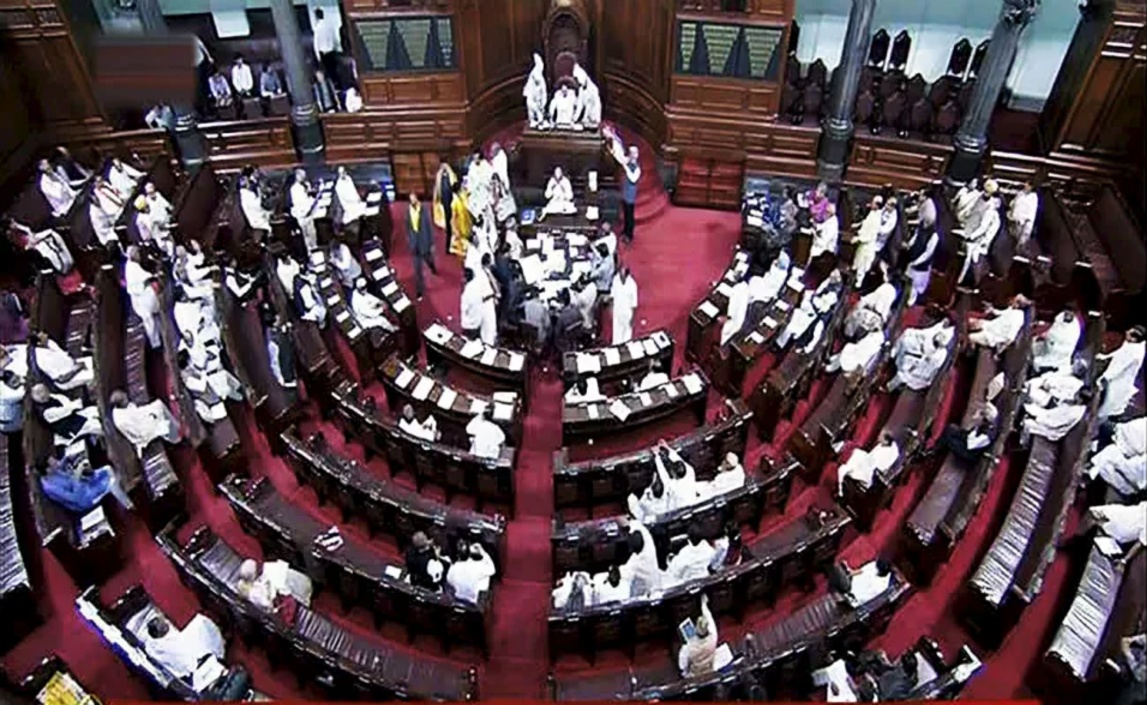
The Election Commission of India has announced the schedule for elections to 12 Rajya Sabha seats across Uttar Pradesh, Uttarakhand and West Bengal, along with biennial elections to 28 Legislative Council seats across four states.
The Rajya Sabha elections will be held on October 16, 2026. The election covers 11 seats through the regular biennial election process and one seat through a by election in West Bengal. Of the 11 biennial seats, 10 are from Uttar Pradesh and one is from Uttarakhand. The West Bengal seat has become vacant following the resignation of a sitting member.
According to the Election Commission schedule, the notification for the Rajya Sabha elections will be issued on September 29. Candidates can file their nominations until October 6. The nomination papers will be scrutinised on October 7, while October 9 has been fixed as the final date for withdrawal of candidature.
Polling for the Rajya Sabha seats will take place on October 16 from 9 am to 4 pm. Counting will begin at 5 pm on the same day. The election process will be conducted in accordance with the applicable provisions governing elections to the Council of States.
Uttar Pradesh accounts for the largest number of Rajya Sabha seats in this round, with 10 seats scheduled for election. The terms of nine sitting members are due to end in November, while another seat became vacant after Dinesh Sharma resigned following his appointment as Lieutenant Governor of the Andaman and Nicobar Islands. The outgoing members include representatives from the Bharatiya Janata Party, Samajwadi Party and Bahujan Samaj Party.
Uttarakhand has one Rajya Sabha seat going to the polls. The seat is currently held by BJP member Naresh Bansal, whose term is scheduled to end as part of the regular biennial cycle.
West Bengal will have a Rajya Sabha by election to fill a casual vacancy. The vacancy arose following the resignation of Trinamool Congress MP Rukmini Mallik. Unlike the regular biennial elections, this poll is intended to fill the vacant seat for the remainder of its existing term.
Alongside the Rajya Sabha schedule, the Election Commission has announced biennial elections for 28 seats in four State Legislative Councils. These elections will be held in Uttar Pradesh, Bihar, Maharashtra and Karnataka.
Uttar Pradesh will have elections for 11 Legislative Council seats. These include five seats from Graduates constituencies and six from Teachers constituencies. Bihar will have eight seats going to the polls, consisting of four Graduates constituencies and four Teachers constituencies.
Maharashtra will elect members for five Legislative Council seats. Three are from Graduates constituencies and two are from Teachers constituencies. Karnataka will have four seats going to the polls, with two Graduates constituencies and two Teachers constituencies.
The Legislative Council election schedule largely follows the same initial timetable as the Rajya Sabha elections. The notification will be issued on September 29, nominations can be filed until October 6, and scrutiny will take place on October 7. Candidates can withdraw their nominations until October 9.
Polling for all 28 Legislative Council seats will take place on October 23 from 8 am to 4 pm. Counting of votes is scheduled for October 27. The Election Commission has also stated that the Model Code of Conduct will apply in the concerned Graduates and Teachers constituencies from the announcement of the election schedule.
The two election schedules involve different electoral bodies and voting procedures. Rajya Sabha elections are indirect elections in which elected members of the concerned State Legislative Assemblies participate in choosing representatives to the Upper House of Parliament. Legislative Council elections from Graduates and Teachers constituencies involve registered electors who meet the eligibility requirements prescribed for those constituencies.
The announcement provides political parties and candidates with a fixed timetable for the nomination, scrutiny and withdrawal stages before polling. The final list of candidates for each constituency will become clear after the withdrawal deadline on October 9.
The Election Commission has also issued specific instructions concerning the conduct of the Rajya Sabha polls. For example, the Commission has directed that specified violet colour sketch pens supplied by Returning Officers be used for marking preferences on Rajya Sabha ballot papers.
The October election schedule will therefore cover 40 seats across the two legislative bodies. Twelve Rajya Sabha seats will be decided through elections in Uttar Pradesh, Uttarakhand and West Bengal, while 28 Legislative Council seats will be contested in Uttar Pradesh, Bihar, Maharashtra and Karnataka.
The results will determine the new representatives for the seats involved, subject to the applicable election procedures and legal requirements. The Election Commission will oversee the nomination, polling and counting processes according to the announced schedule.
For the Rajya Sabha elections, polling and counting are both scheduled for October 16. For the Legislative Council elections, polling will take place on October 23, followed by counting on October 27. The separate schedules allow the election authorities to conduct the two rounds of voting according to their respective procedures.
The announcement marks an important phase in the regular electoral cycle for Parliament's Upper House and the State Legislative Councils. Further details about candidates and contests will emerge after the nomination process begins on September 29 and concludes on October 6.