Teenage chess sensation D Gukesh, who recently made history by becoming the youngest player to win the World Chess Championship in the classical format, has addressed criticism from an Uzbek Grandmaster who suggested that his reign at the top may be short-lived. The remark, which quickly circulated across the global chess community, claimed that Gukesh would eventually lose his title. In response, the 18-year-old Indian prodigy dismissed the statement and said that his focus remains firmly on consistent growth and performance.
Speaking in a recent interaction, Gukesh said that while he respects all players and their opinions, he does not allow negative remarks to affect his mindset. Instead, he views such comments as motivation to prove his critics wrong. “People are entitled to their views, but my job is to stay focused on the board. Every game is an opportunity to grow, and I am determined to keep improving,” he said.
The controversy began when the Uzbek Grandmaster’s bold statement sparked debates among fans and analysts about Gukesh’s future prospects. Many saw it as an attempt to downplay his achievement, while others believed it reflected the natural competitiveness of the chess world. Gukesh, however, responded with composure, reiterating that his journey is only beginning and that he intends to maintain his position through discipline and hard work.
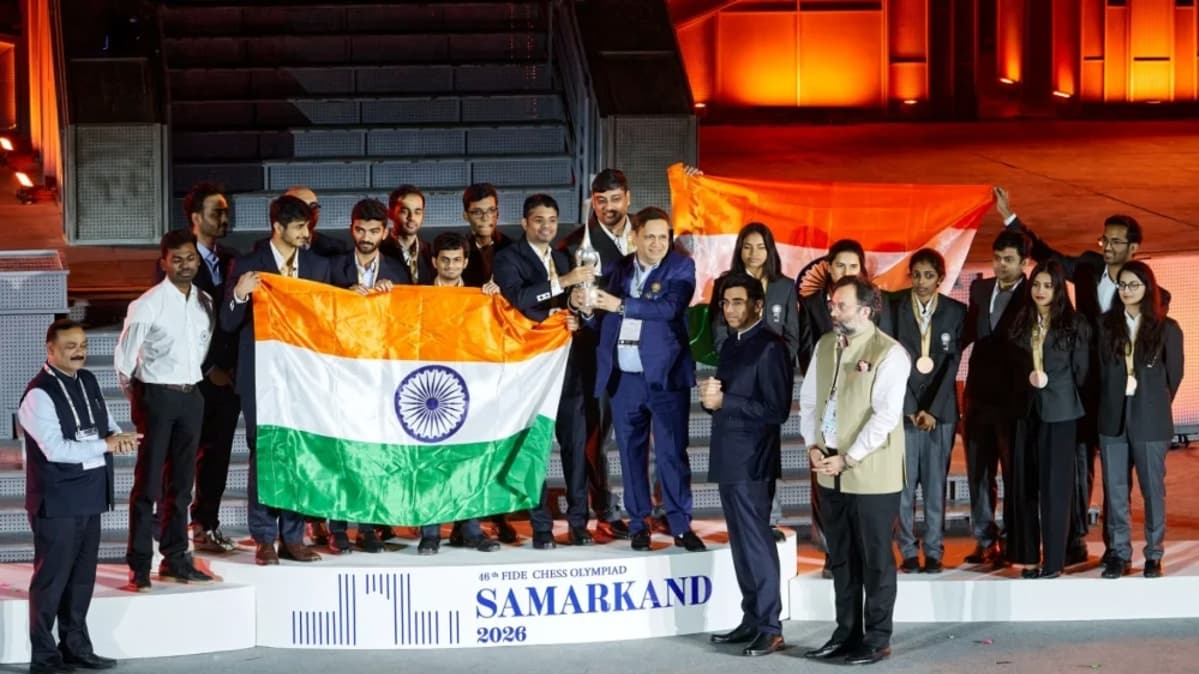
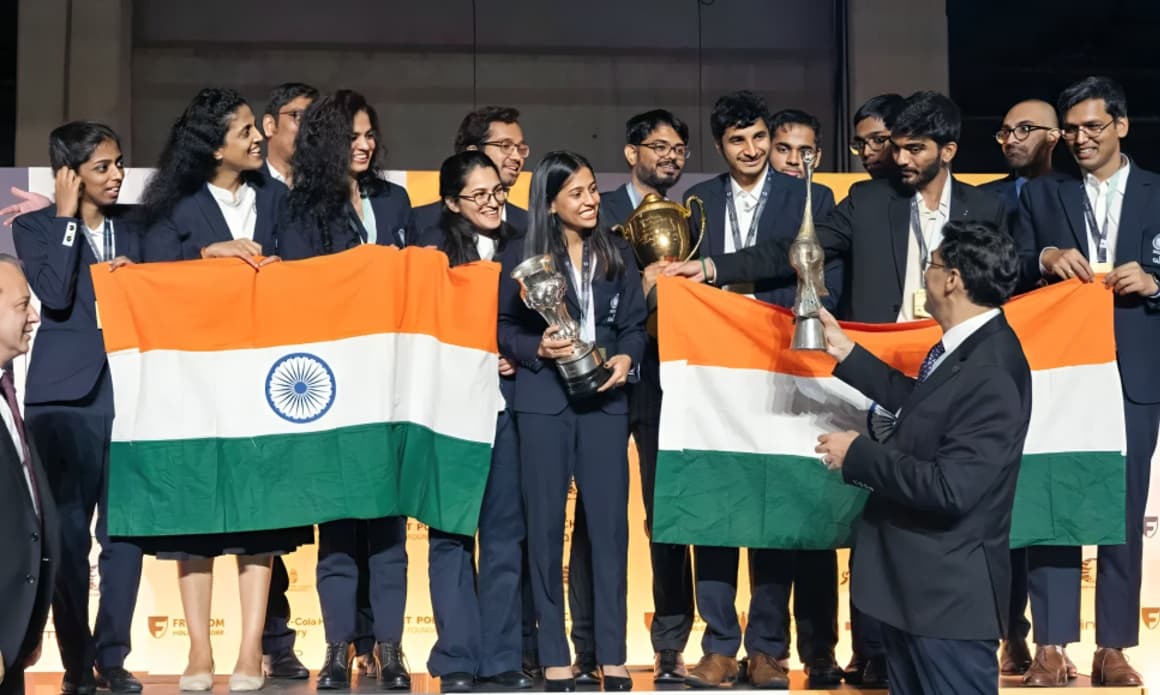
India’s rise in global chess has been remarkable in recent years, with Gukesh leading a new generation of young talents who are making their mark on the international stage. Following in the footsteps of Viswanathan Anand, Gukesh has inspired thousands of young players across the country. His victory in the World Championship was celebrated as a historic achievement not only for Indian chess but also for the global chess fraternity.
Chess experts say that handling pressure, both on and off the board, is part of the challenge of being a World Champion. Gukesh’s calm and dignified response to the remark has drawn praise from fans and senior players, who feel that his maturity belies his young age. His ability to remain unfazed by external criticism, they argue, is a quality that will help him sustain success in the long run.
The Uzbek Grandmaster, known for his bold and outspoken opinions, has not issued any further clarification after Gukesh’s response. Analysts believe that such rivalries and debates are a natural part of competitive sports, adding excitement and intensity to tournaments. For Gukesh, however, the focus remains clear: sharpening his skills, preparing for future competitions, and representing India at the highest level.
With upcoming tournaments lined up, fans are eager to see how Gukesh continues to perform against the world’s strongest players. His recent achievements have already cemented his place among the elite, but as he himself acknowledges, staying at the top requires constant effort and resilience.
By responding firmly yet respectfully to the comment, Gukesh has once again shown that his strength extends beyond the chessboard. His journey reflects not only the rise of Indian chess but also the spirit of perseverance that defines champions.