Magnus Carlsen, the reigning World Chess Champion and one of the most dominant figures in the history of chess, is reportedly contemplating quitting classical chess after a shocking defeat against India’s young prodigy D Gukesh. The unexpected result has sent ripples across the global chess community and sparked intense speculation about Carlsen’s future in the classical format of the game.
Carlsen’s reign at the top of classical chess has been marked by consistent excellence, with multiple World Championship titles and a long-standing grip on the number one ranking. His ability to outthink and outmaneuver opponents has set new standards in the sport. However, the recent loss to D Gukesh, who is among the brightest young talents in Indian chess, has challenged the perception of Carlsen’s invincibility.
D Gukesh, who has been making waves in the international chess circuit, displayed remarkable skill, strategy, and composure in the game that led to this stunning victory. At a young age, Gukesh’s win over the World Champion highlights the rising strength of Indian chess and the emergence of new contenders on the world stage.
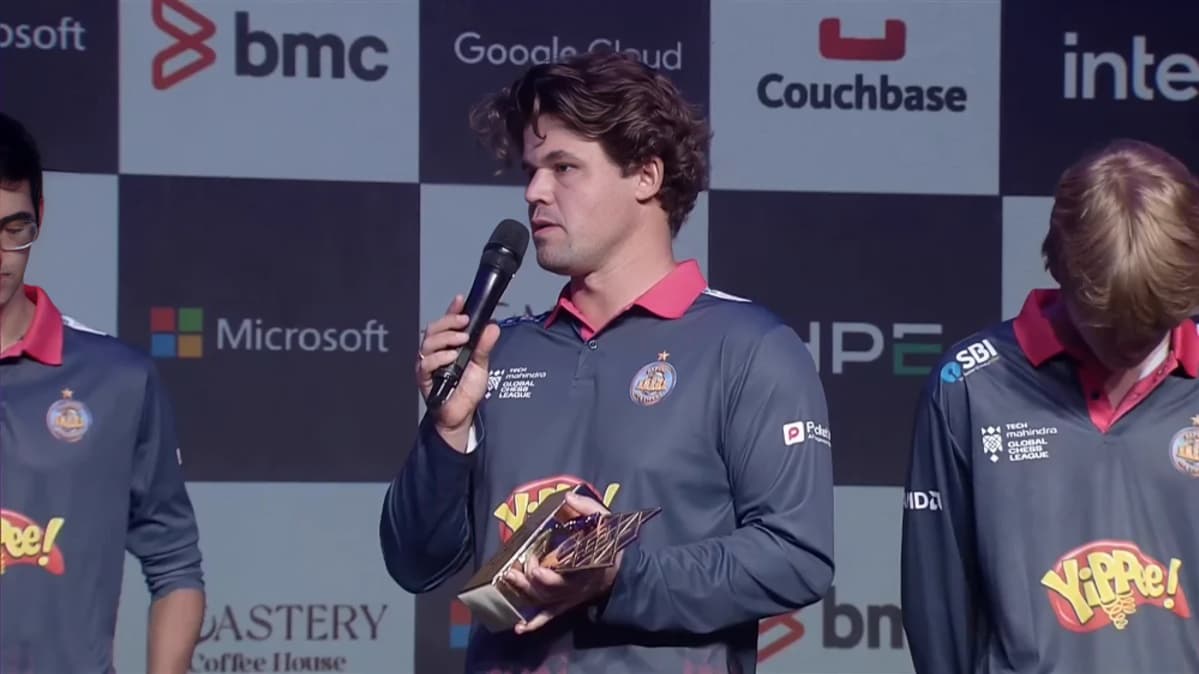
Following the defeat, Carlsen has been reported to express doubts about continuing in classical chess, a format that demands deep strategic thinking, long hours of play, and immense mental stamina. This consideration has generated considerable discussion among chess analysts and fans, who are eager to understand whether Carlsen’s focus might shift towards faster-paced formats like rapid or blitz chess, where he has also excelled.
Carlsen’s potential departure from classical chess would mark a significant shift in the sport, as he has been a defining figure for more than a decade. His dominance has attracted global attention to chess and helped popularize the game worldwide. The prospect of a new era led by emerging players like D Gukesh is both exciting and uncertain.
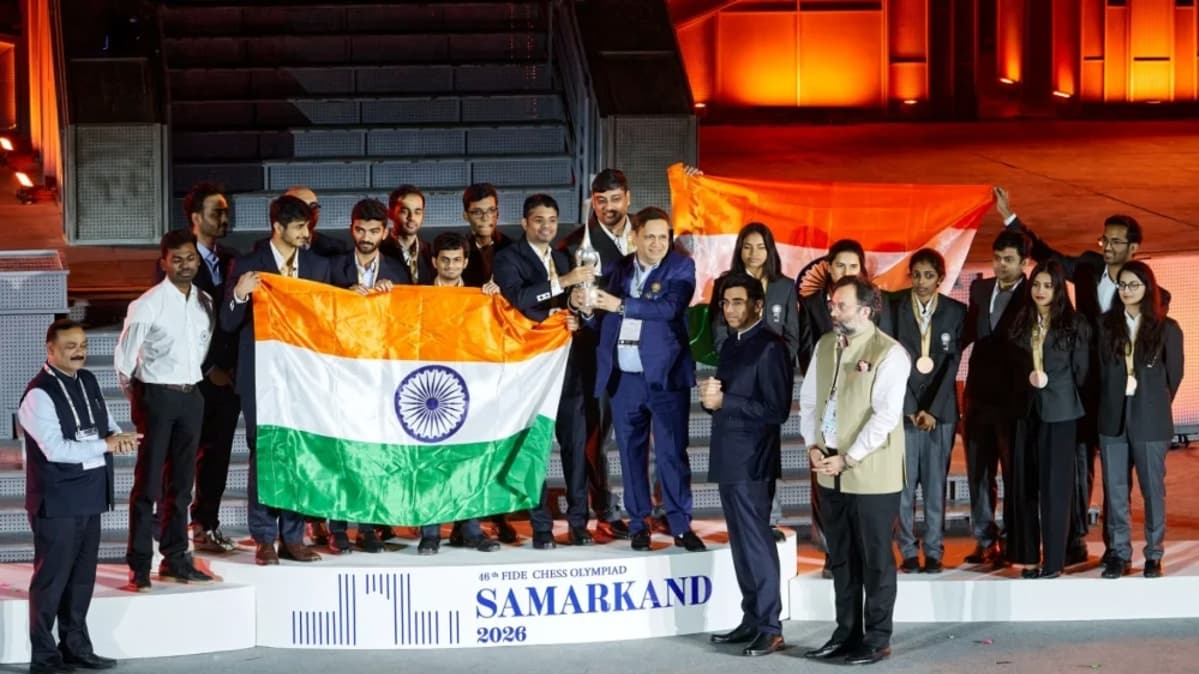
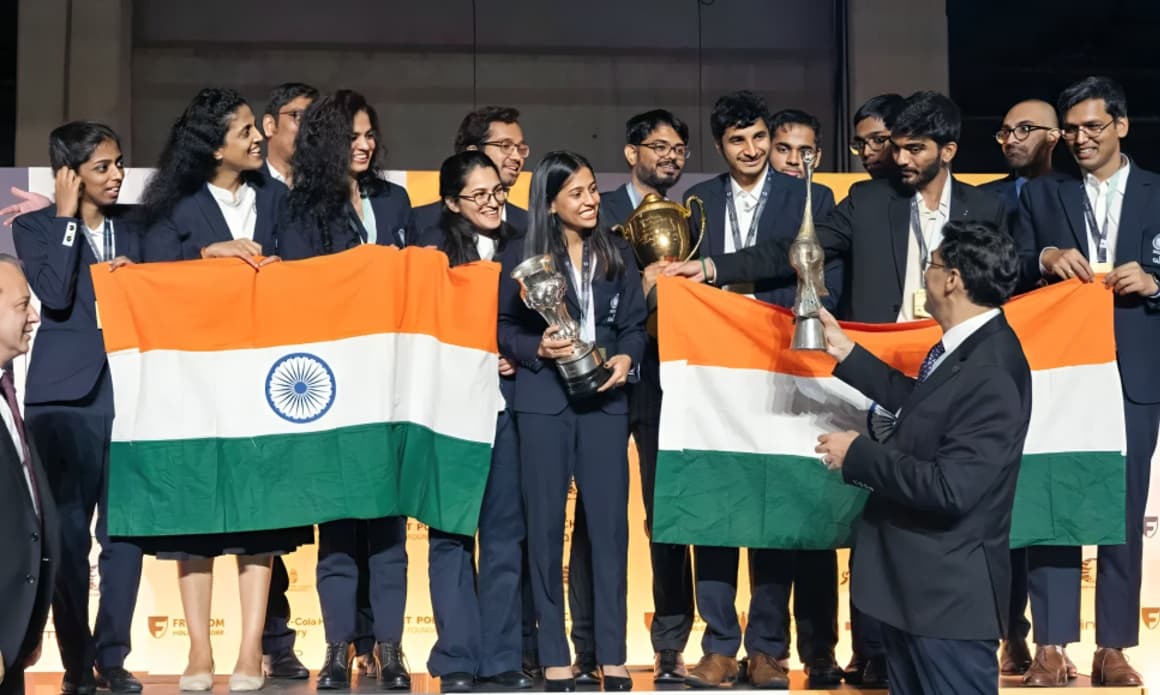
Indian chess has seen tremendous growth in recent years, with several young players making international headlines. Gukesh’s victory is a testament to the strength of India’s chess development programs and the country’s growing influence in the global chess community.
While Carlsen has not officially announced any decision to quit classical chess, his contemplations following the loss reflect the immense pressure and expectations faced by top athletes in any discipline. His future moves will be closely watched by the chess world, eager to see if he will return stronger or transition to other formats.
In conclusion, Magnus Carlsen’s consideration to quit classical chess after his defeat by D Gukesh marks a pivotal moment in chess history. It highlights the emergence of new talent, the challenges faced by established champions, and the evolving nature of competitive chess. The coming months will be crucial in determining the direction of Carlsen’s career and the future landscape of classical chess globally.