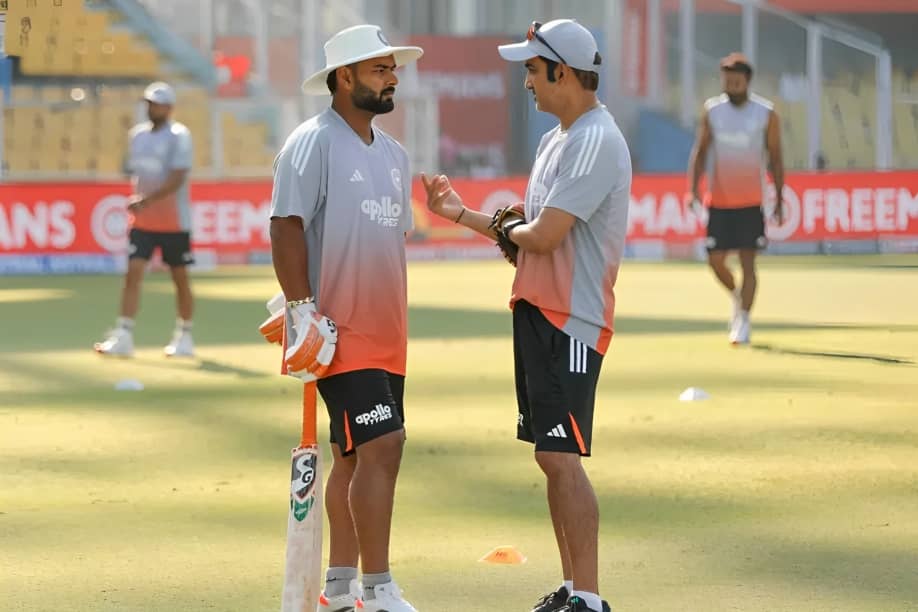
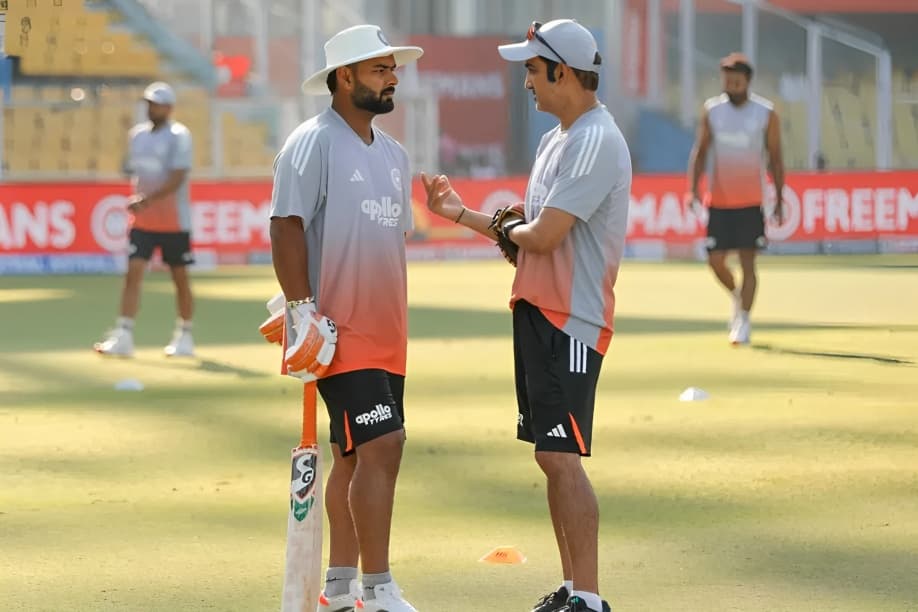
AB de Villiers, former South African cricket captain, recently shared his candid views on Gautam Gambhir’s coaching approach, sparking discussions in cricketing circles. In a pointed statement, de Villiers remarked that “an emotional coach is not a good thing,” underscoring the importance of balancing emotional involvement with strategic and objective decision-making in professional coaching.
Gautam Gambhir, a former Indian opener and captain, has been involved in coaching and mentoring roles since retiring from professional cricket. While his leadership and aggressive style as a player earned him acclaim, his coaching tenure has faced criticism from some quarters, prompting debates about the effectiveness of emotionally driven coaching methods in modern cricket.
De Villiers, known for his experience in high-pressure matches and international tournaments, emphasized that coaching requires more than passion. According to him, a coach must combine tactical acumen, clear communication, and psychological understanding to guide players effectively. Emotional reactions, while natural, can sometimes cloud judgment, leading to inconsistent strategies or strained team dynamics.
The former South African wicketkeeper-batsman also highlighted that objective assessment and structured feedback are essential components of successful coaching. By maintaining mental clarity and focusing on measurable outcomes, coaches can help players perform at their best, adapt to pressure situations, and develop resilience over time. De Villiers’ perspective reinforces the idea that cricket coaching extends beyond motivational speeches, requiring careful planning, situational awareness, and analytical thinking.
While acknowledging Gambhir’s contributions to Indian cricket, de Villiers’ remarks suggest that transitioning from a player to a coach involves acquiring new skill sets. Emotional investment, though important, must be balanced with professional detachment to make impartial decisions in team selection, training strategies, and on-field tactics. Experts note that emotional coaching can inspire players but may also result in bias or fluctuating approaches under stress, affecting overall team performance.
Cricket fans and analysts have taken note of de Villiers’ statement, generating discussions about coaching styles, leadership in sports, and the challenges faced by former players transitioning into mentoring roles. Many observers agree that combining emotional support with structured guidance is crucial to maintaining harmony, motivation, and performance consistency in professional teams.
In conclusion, AB de Villiers’ sharp take on Gautam Gambhir’s coaching approach emphasizes the need for balance between emotional involvement and strategic decision-making in cricket coaching. While Gambhir’s achievements as a player are undisputed, de Villiers’ insights highlight the evolving demands of coaching in modern professional cricket. His remarks encourage a broader discussion about effective leadership, mental clarity, and the integration of passion with discipline to enhance team performance at all levels of the game.