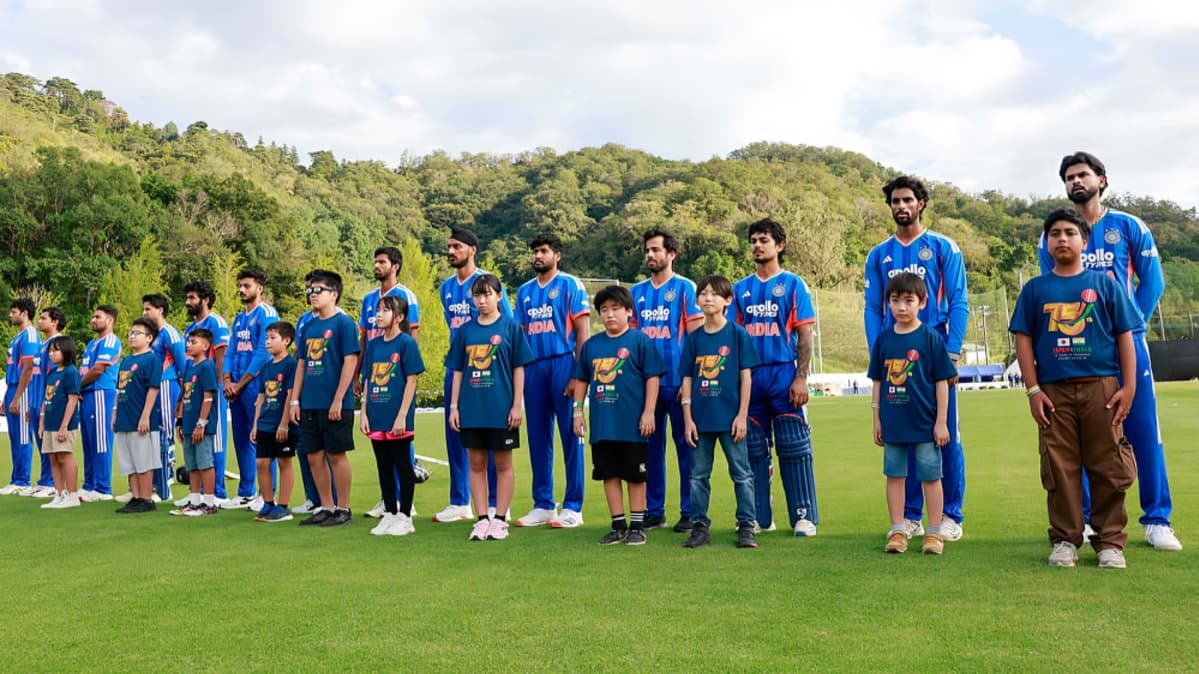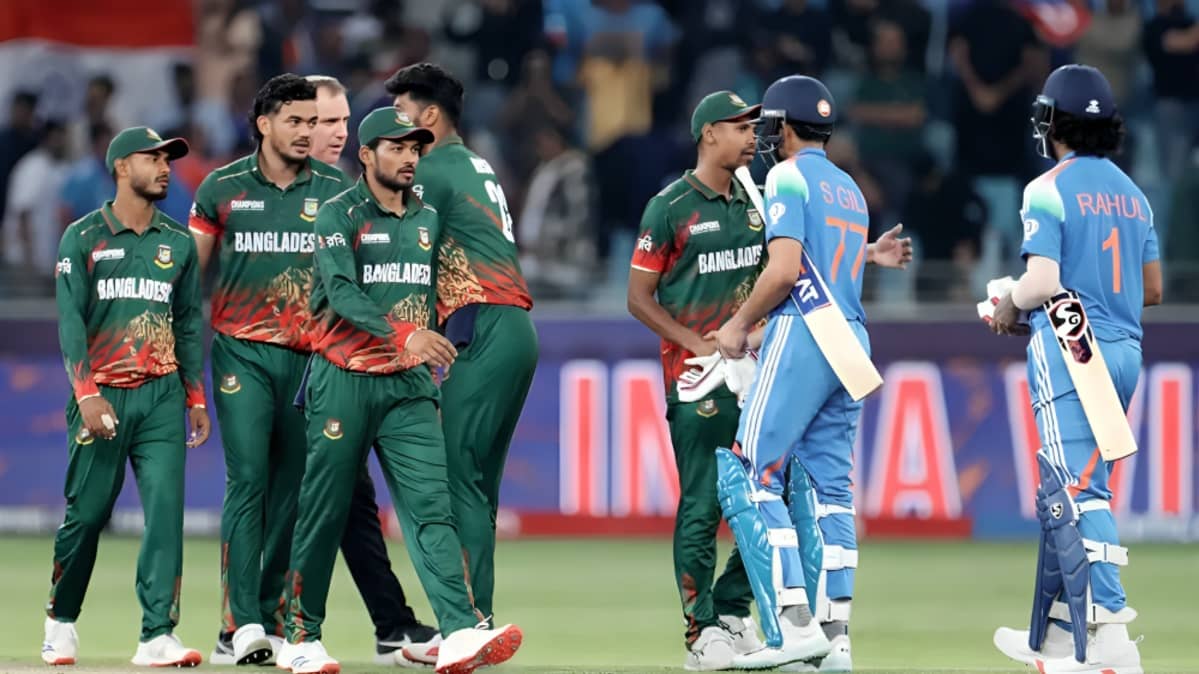
Bangladesh is making efforts to revive its postponed white ball cricket series against India, but India's upcoming international commitments could make finding suitable dates increasingly difficult.
The proposed India Bangladesh series has been affected by scheduling complications, with both cricket boards needing to consider a crowded international calendar. Bangladesh is now exploring the possibility of bringing the series back into the schedule, while India's confirmed three match T20I series against Afghanistan in September could create another obstacle.
India is scheduled to play Afghanistan in a three match T20I series in Delhi from September 13 to September 17. The matches are expected to be hosted by Afghanistan, although all three fixtures will take place at the Arun Jaitley Stadium.
The Afghanistan series means India's international calendar is already occupied during a period when Bangladesh would ideally like to secure dates for its postponed fixtures.
Bangladesh's efforts to revive the India series also come against the backdrop of attempts to strengthen sporting relations between the two countries. Cricket remains one of the most popular sports in Bangladesh, and matches against India attract considerable attention from supporters and broadcasters.
The proposed white ball series is therefore viewed as an important bilateral engagement.
A major challenge is finding a window that works for both teams. India's schedule includes several international commitments, while Bangladesh also has its own series and tournaments to accommodate.
The international cricket calendar leaves limited flexibility, particularly for teams involved in multiple formats.
Bangladesh's interest in restoring the series reflects the importance of India as a cricketing partner. India is one of the leading teams in world cricket, and bilateral matches against the Indian side carry significant sporting and commercial value.
For Bangladesh, hosting India would also provide an opportunity to attract large audiences and strengthen the country's international cricket profile.
The situation has gained additional attention because of political developments and efforts to improve broader relations between Bangladesh and India. Cricket has traditionally played an important role in people to people connections between the two countries.
However, sporting schedules are ultimately determined by the cricket boards and the international calendar.
The Board of Control for Cricket in India has a packed programme, including bilateral series, major international tournaments and preparations for future global competitions.
The Bangladesh Cricket Board must therefore identify dates when India's players and support staff can travel without affecting other important commitments.
The Afghanistan T20I series is one of the immediate challenges. India is expected to use the three matches as preparation for its upcoming international assignments, while Afghanistan will be looking to gain valuable experience against one of the strongest teams in world cricket.
The September series will occupy three match days and the surrounding travel and preparation period.
This means Bangladesh cannot simply schedule its series immediately before or after the Afghanistan matches without considering player workload and logistical requirements.
The availability of India's senior players could also influence the final decision.
If a new window is identified, the two boards will need to agree on the format, venues and match dates. The series is expected to involve white ball cricket, although the exact schedule would depend on the final agreement.
Bangladesh has a strong history of competing against India in limited overs cricket. Matches between the teams have frequently produced close contests and attracted significant attention across South Asia.
A renewed bilateral series would therefore be welcomed by supporters in both countries.
The scheduling issue also highlights the growing complexity of international cricket. Teams now have commitments across bilateral cricket, global tournaments, franchise leagues and other competitions.
Finding dates for postponed matches can consequently become difficult, particularly when one team has already confirmed fixtures.
India's Afghanistan commitments make the situation even more complicated because the September T20I series has already been scheduled.
Bangladesh's proposed plans could therefore depend on whether India has another available international window later in the year.
The Bangladesh Cricket Board is likely to continue discussions with its Indian counterpart before making any formal announcement.
Until an official schedule is confirmed, reports about possible dates should be treated as tentative.
For Bangladesh, reviving the series would be an important priority. The team would benefit from competitive matches against India, particularly as it continues to prepare for upcoming international tournaments.
For India, the decision will need to take into account player workload, travel requirements and the wider international calendar.
The Afghanistan series provides India with a confirmed commitment in September, meaning any Bangladesh series would have to be arranged around that fixture.
The two countries have maintained a long cricketing relationship, and previous bilateral series have demonstrated the popularity of the rivalry.
Bangladesh supporters have traditionally shown strong interest in matches against India, while Indian cricket audiences also closely follow contests involving the neighbouring side.
A successful agreement could therefore benefit both boards.
The proposed revival of the series would also provide additional opportunities for emerging players. White ball matches can help teams assess squad depth and identify players for major tournaments.
For Bangladesh, the series could offer valuable experience to younger players competing against India's established international cricketers.
India could similarly use the fixtures to assess its own squad depending on the timing and player availability.
The final outcome will depend on discussions between the cricket authorities and the availability of suitable dates.
At present, the Afghanistan T20I series remains a confirmed part of India's September schedule. The three matches in Delhi are set for September 13, 15 and 17.
Bangladesh will need to work around those dates if it wants to revive its postponed series.
The situation demonstrates how quickly changes in the international calendar can affect bilateral cricket plans. A postponed series may appear easy to reschedule, but finding a suitable window can become complicated when both teams have multiple commitments.
Bangladesh's latest efforts indicate that the country remains interested in restoring the India series. However, the final decision will require agreement from both cricket boards.
Until an official announcement is made, the dates and arrangements for the proposed Bangladesh India series should not be considered confirmed.
For now, the Afghanistan T20I series remains India's immediate confirmed white ball assignment in September. Bangladesh will continue to explore whether a suitable opportunity can be found to bring its postponed series against India back onto the international calendar.
If an agreement is reached, the series could provide another important chapter in the cricketing relationship between India and Bangladesh.