
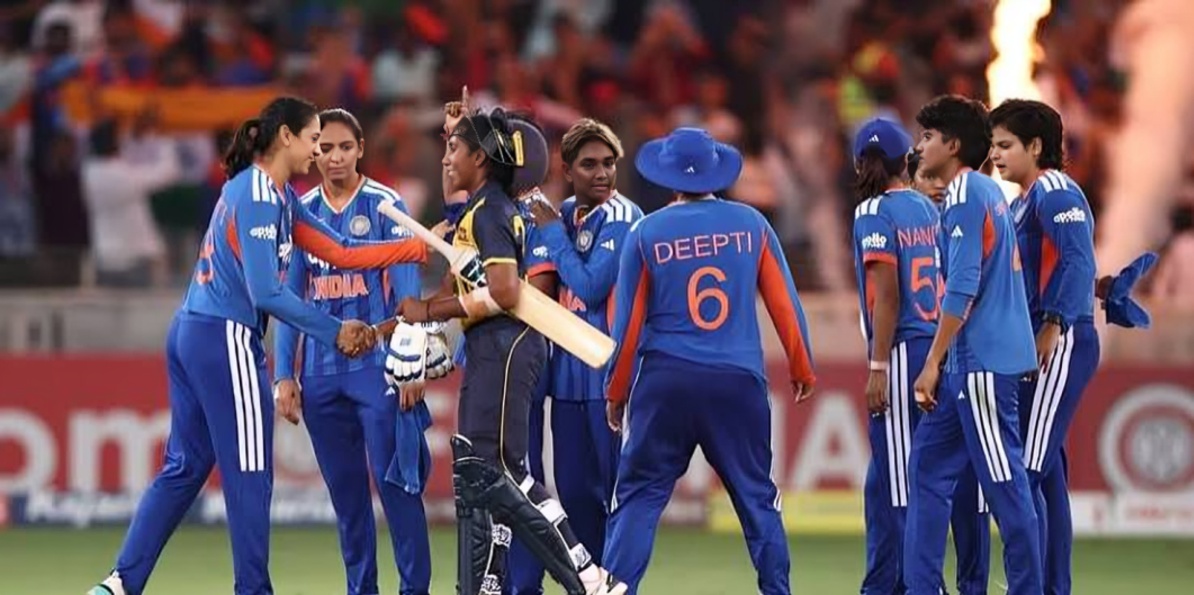
The controversy surrounding the Women’s Asia Cup trophy presentation has taken another turn after BCCI vice president Rajeev Shukla revealed that Asian Cricket Council chairman Mohsin Naqvi did not object to India’s decision not to receive the trophy from him.
India defeated Sri Lanka by 72 runs in the Women’s Asia Cup final in Dubai on September 13, 2026, securing the continental title. However, the expected trophy presentation did not take place after the Indian team decided not to receive the trophy from Naqvi, who is also the chairman of the Pakistan Cricket Board and Pakistan’s interior minister.
Speaking to reporters after returning to India with the team, Rajeev Shukla said the decision was taken collectively by the BCCI. He also stated that Naqvi did not raise any objection to the decision.
According to Shukla, the BCCI discussed the matter internally before informing the Indian team about its position. The board then communicated the decision to the players, meaning the team was aware of the planned approach before the presentation ceremony.
Shukla also explained that Naqvi went ahead with his responsibilities during the ceremony and subsequently left the venue. His comments provide the BCCI’s account of what happened during the trophy presentation and indicate that the Indian board had already taken a position before the final ceremony.
The trophy issue emerged after India completed a dominant victory over Sri Lanka. India posted a strong total before restricting Sri Lanka to a much lower score, winning the final by 72 runs. The victory gave the Indian women’s team another major continental achievement and ensured that the focus on the trophy presentation did not overshadow the team’s performance on the field.
However, the post match ceremony became the centre of attention. Sri Lanka’s players participated in their part of the presentation, while the Indian team did not come forward to receive the trophy from Naqvi. Reports said that the BCCI had communicated its position to the Asian Cricket Council before the final.
BCCI secretary Devajit Saikia had earlier described the decision as a conscious institutional position. He said the board had considered the prevailing circumstances and sentiments before deciding that the Indian team would not participate in the trophy presentation under the proposed arrangement.
Saikia also made a distinction between India participating in the Asia Cup and accepting the trophy from a particular official. According to his explanation, India’s participation in the multinational tournament remained consistent with its sporting commitments, while the decision regarding the trophy presentation was treated as a separate matter.
The BCCI had reportedly considered alternative arrangements for the trophy presentation. One proposal involved having ACC deputy chairman Khalid Al Zarooni present the trophy to the Indian team. However, the arrangement did not materialise, and the presentation ended without the Indian players collecting the trophy.
The latest development is significant because it clarifies how the BCCI viewed the situation internally. Shukla’s comments indicate that the decision was not an individual action by the players but a collective position involving the board. He also said that Naqvi did not object to the decision.
The episode is also being viewed in the context of the previous year’s Men’s Asia Cup. During the 2025 tournament, India had also declined to receive the trophy from Naqvi after winning the title. The repetition of a similar situation involving the women’s team has therefore attracted considerable attention in the cricketing world.
India’s relationship with Pakistan in cricket has remained a sensitive subject. The two teams continue to meet in multinational competitions, while bilateral cricket between the countries has not resumed. The BCCI has previously stated that India will participate in multinational tournaments involving Pakistan in accordance with the government’s policy.
The latest trophy episode therefore does not mean that India withdrew from the tournament or refused to play Sri Lanka. India completed the competition and won the final on the field. The dispute was specifically related to the manner in which the trophy was to be presented after the match.
India head coach Amol Muzumdar also backed the BCCI’s position after the final. He said the team stood by the board’s decision and emphasised that India had already achieved the main objective by becoming Asia Cup champions. He also indicated that the team’s attention would move towards the upcoming Asian Games.
The BCCI’s latest comments could also put to rest speculation about whether the trophy decision was taken spontaneously at the venue. Statements from both Rajeev Shukla and Devajit Saikia indicate that the board had discussed the matter and communicated its position before the presentation.
For Mohsin Naqvi, the latest account from the BCCI suggests that he did not formally challenge India’s refusal to receive the trophy from him. Shukla said Naqvi did not raise any objection, while the BCCI maintained that its decision was based on its institutional position.
The trophy itself has therefore become a secondary issue to the larger discussion surrounding cricket relations between India and Pakistan. The Indian team remains the official Women’s Asia Cup champion after defeating Sri Lanka, while the circumstances surrounding the presentation have generated considerable debate.
At present, there is no indication that the BCCI plans to change its stated position. The board has made clear that participation in international tournaments and decisions concerning trophy presentations are separate matters. The Indian women’s team, meanwhile, will turn its attention to its next international assignment after completing a successful Asia Cup campaign.