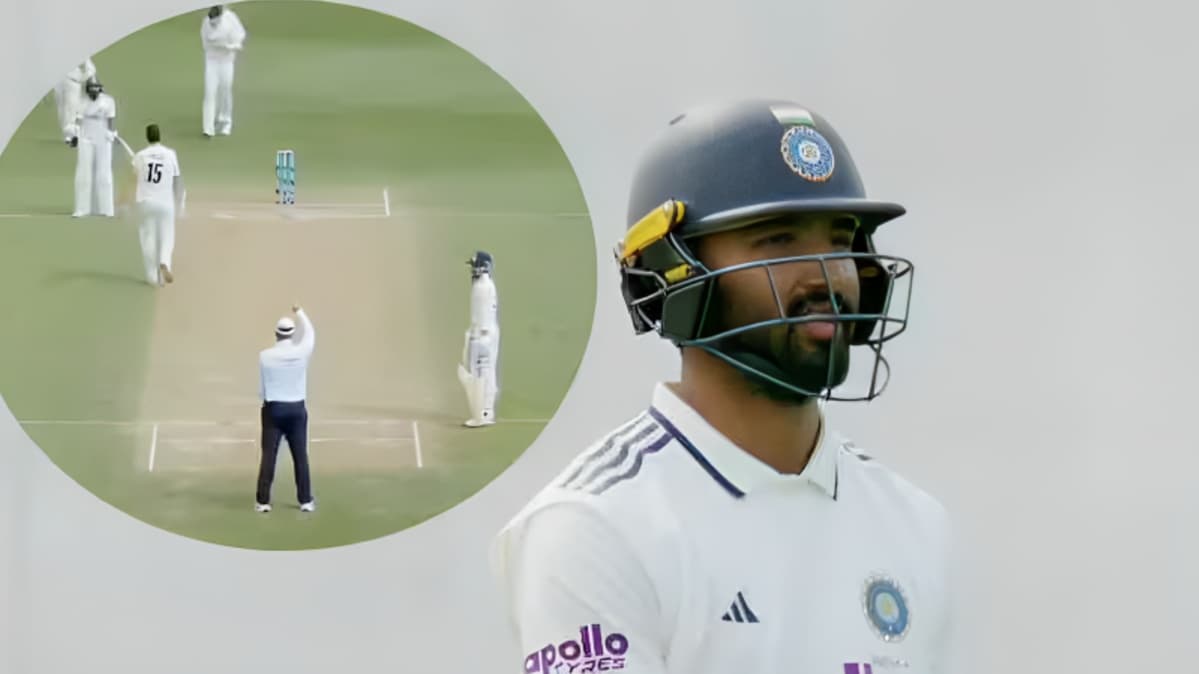
Devdutt Padikkal Falls for 199 After Controversial Umpiring Decision Against New Zealand A
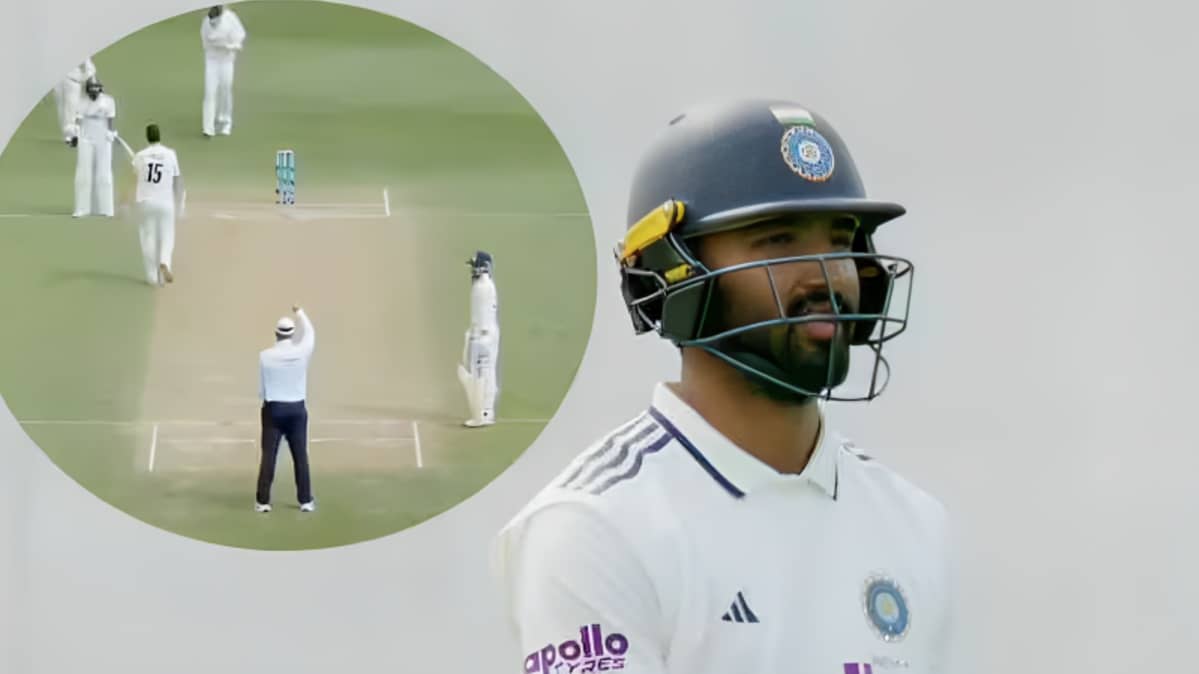
India A batter Devdutt Padikkal missed a memorable double century by just one run after being dismissed for 199 on the third day of the first unofficial Test against New Zealand A at Bert Sutcliffe Oval in Lincoln on October 26, 2026. The left handed batter appeared visibly disappointed after the umpire ruled him out caught behind, bringing an outstanding innings to an abrupt end.
Padikkal's dismissal quickly became a major talking point among cricket fans because he was just one run away from reaching the 200 run milestone. The batter appeared to believe that the delivery had not touched his bat and gestured towards the umpire before reluctantly walking back to the pavilion.
Despite the disappointing ending, Padikkal played a crucial role in India's recovery after the visitors were bowled out for just 113 runs in their first innings.
Padikkal Misses Double Century by One Run
Padikkal scored 199 runs from 248 deliveries, striking 24 fours and three sixes during a determined display of batting. His innings helped India A recover from an extremely difficult position and establish a commanding advantage in the match.
The Karnataka batter showed patience and composure while rebuilding the innings after India lost early wickets. Rather than allowing the pressure to build, he formed important partnerships and gradually put the visitors back in control.
His innings combined defensive discipline with aggressive stroke play whenever the bowlers offered scoring opportunities. The result was one of the most significant individual performances of the match, although the missed double century became the defining talking point.
Being dismissed for 199 is an especially frustrating experience for a batter because only one additional run separates a major milestone from a double century. Padikkal's reaction reflected his disappointment at missing the opportunity after spending considerable time at the crease.
Why Was Padikkal Given Out?
The controversial incident occurred when New Zealand A fast bowler Zak Gibson delivered a ball down the leg side. Padikkal attempted to work the delivery towards the leg side, but the ball appeared to pass close to his bat before reaching wicketkeeper Mitchell Hay.
The New Zealand A players appealed for a catch behind, and the umpire raised his finger to signal that Padikkal was out.
Padikkal immediately looked surprised by the decision. He remained at the crease briefly and used gestures to indicate that he believed the ball had passed without touching his bat.
The dismissal appeared particularly painful because of the timing. Had Padikkal scored one more run, he would have completed a double century in a match where India A desperately needed a substantial contribution.
However, without conclusive evidence from an official review, it would be inappropriate to state definitively that the umpire made an incorrect decision. The available reports describe Padikkal's reaction and the circumstances surrounding the appeal, but they do not establish conclusively whether the ball touched his bat.
No DRS Available to Review the Decision
One important aspect of the incident was the absence of the Decision Review System, commonly known as DRS, in the unofficial Test match.
DRS allows players in eligible matches to challenge certain on-field decisions through technological reviews. Depending on the situation, available technology may help determine whether a batter edged the ball or whether a delivery met the relevant criteria for a dismissal.
Because this was an unofficial Test, Padikkal did not have the option of requesting a DRS review to challenge the umpire's decision.
As a result, once the umpire declared him out, the batter had to leave the field despite his apparent disagreement. The lack of a review mechanism added to the frustration surrounding the incident and fuelled discussion among cricket followers.
The episode also highlighted the importance of clear decision-making in cricket, particularly when a dismissal occurs at a critical moment in a player's innings.
Partnership With Sai Sudharsan Revives India A
Padikkal's contribution was particularly valuable because India A had struggled badly in their first innings, managing only 113 runs. New Zealand A responded with 317, gaining a substantial first-innings lead and placing the visitors under pressure.
India A needed a strong response in their second innings to recover from that deficit. Padikkal joined Sai Sudharsan in a crucial partnership that helped stabilise the innings and rebuild the team's position.
The pair added 215 runs for the third wicket before Sudharsan was dismissed for 91. His contribution provided important support to Padikkal, who continued to score runs and put pressure on the opposition bowling attack.
After Sudharsan's departure, Padikkal found another productive partner in Yash Rathod. The two batters added 142 runs for the next wicket, further strengthening India's position.
Rathod contributed 66 runs from 72 deliveries before his dismissal. These partnerships transformed India's second innings and helped the visitors recover from their disappointing first-innings performance.
India A Build a Strong Lead
Padikkal's dismissal ended his individual innings, but India A continued batting with the aim of building a substantial overall advantage.
At the close of play on the third day, India A had reached 488 for eight in their second innings, according to the available match report. Their overall lead had grown to 284 runs, putting the visitors in a much stronger position after their first-innings collapse.
Washington Sundar had reached 51 by stumps, providing further resistance as India A looked to extend their advantage. The team's recovery demonstrated the value of partnerships and patient batting in a longer format of cricket.
Although Padikkal missed out on the double century, his 199-run innings remained central to India's comeback. The contribution helped shift the momentum of the match and gave the team a significant opportunity to push for a positive result.