India produced a record breaking batting performance against the West Indies in the second ODI at the Barsapara Cricket Stadium in Guwahati, successfully chasing a target of 406 runs with 39 balls to spare.
The Indian team finished on 406 for 2 in 43.3 overs and secured an eight wicket victory. The result gave India an unassailable 2 to 0 lead in the three match ODI series. The victory also marked India’s highest successful run chase in ODI cricket.
The West Indies had earlier posted 405 for 7 in their 50 overs after being asked to bat first. John Campbell, Shai Hope and Amir Jangoo all scored centuries, helping the visitors reach their highest total in men’s ODI cricket. Campbell scored 101 from 68 balls, Hope made 104 from 94 balls and Jangoo contributed 114 from 77 balls.
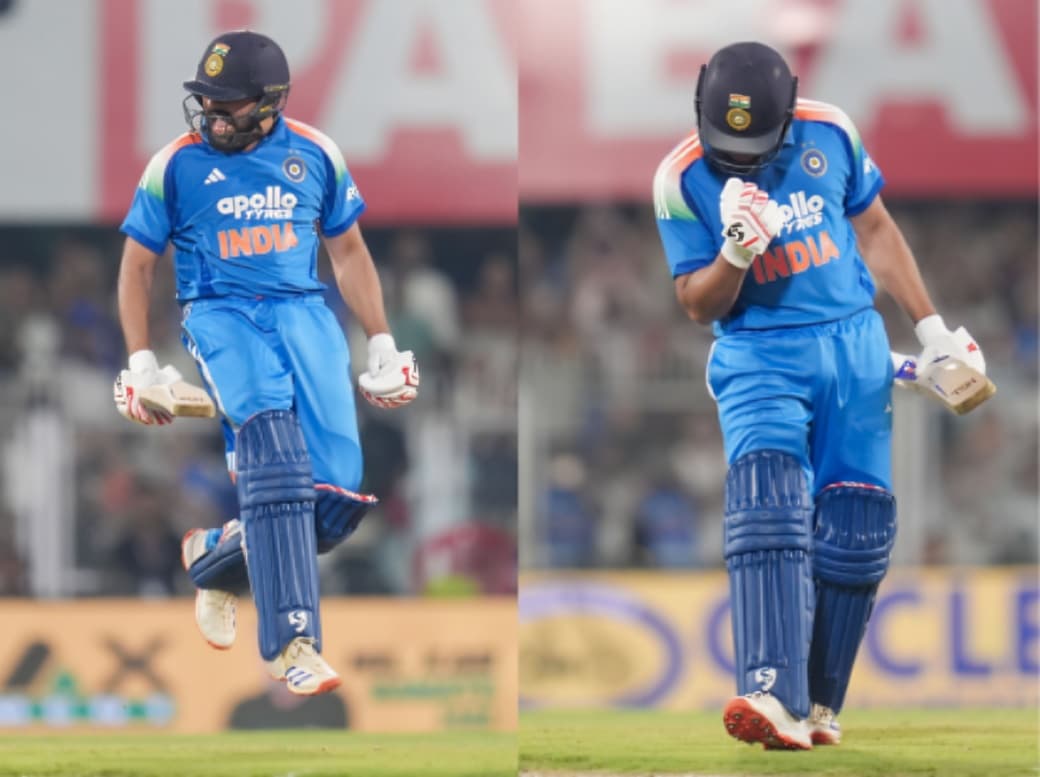
India’s response was led by captain Shubman Gill and Rohit Sharma. The opening pair put together a huge partnership and took the chase forward at a rapid rate. Rohit reached his 35th ODI century and scored 101 runs from 75 balls. His innings included 10 fours and six sixes.
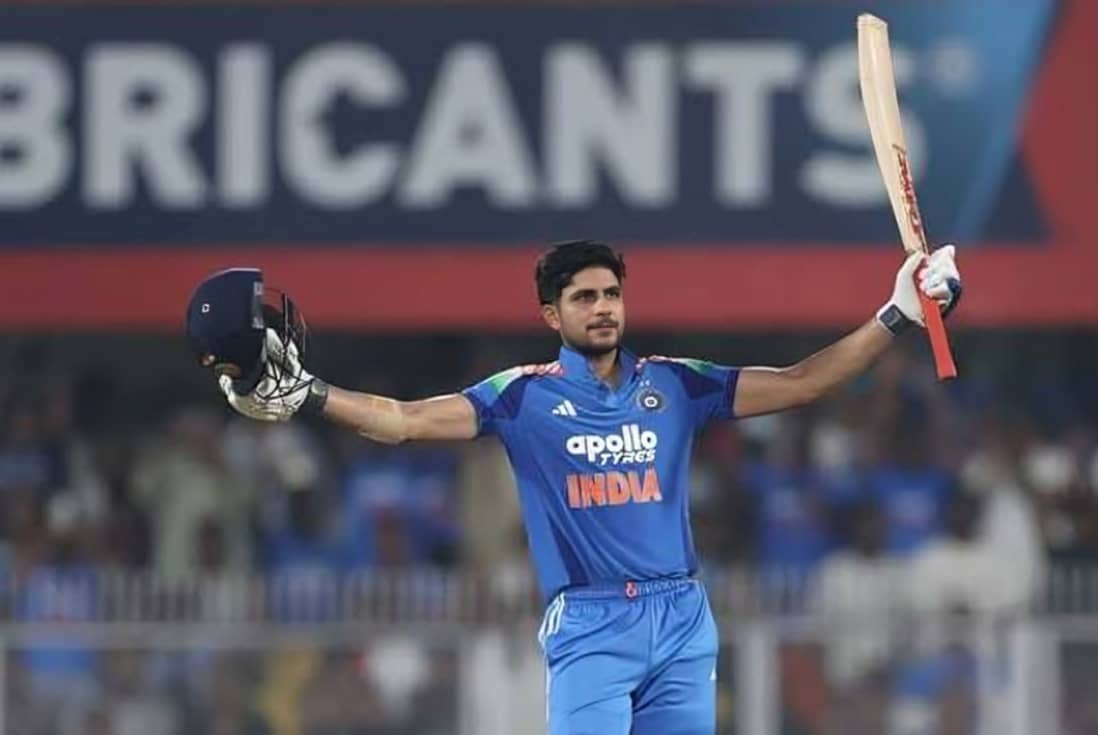
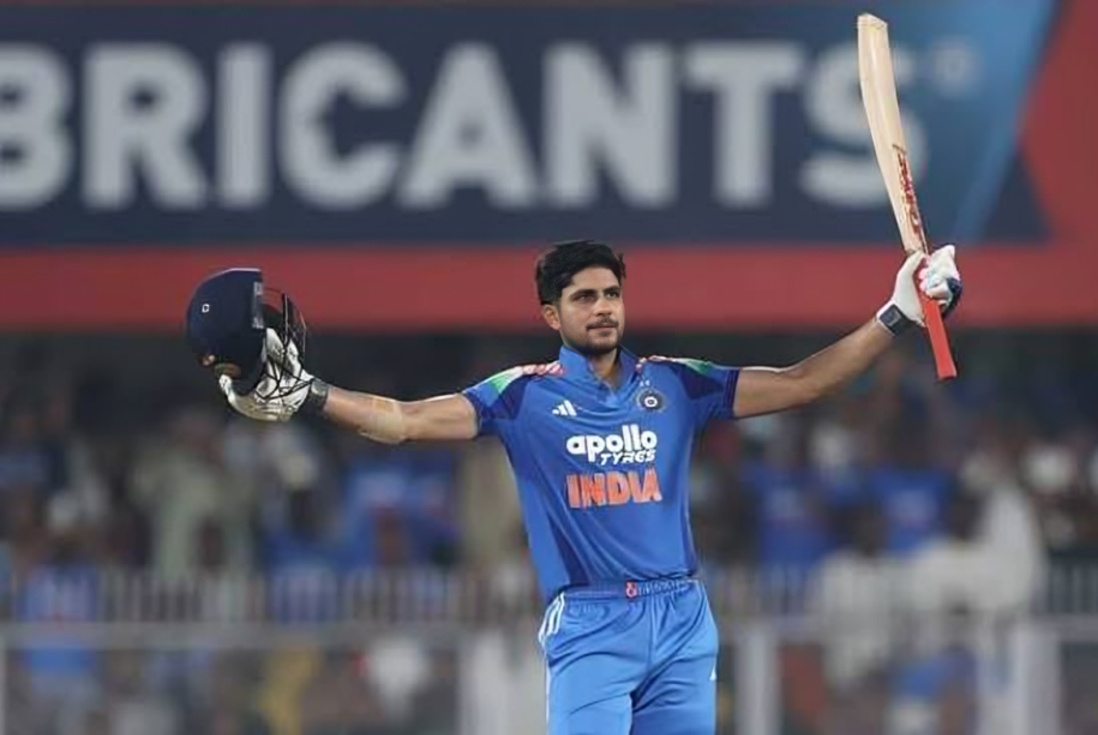
Gill continued the attack after Rohit’s dismissal and produced one of the most significant individual performances in ODI cricket. The Indian captain remained unbeaten on 223 from 133 balls. His innings included 26 fours and eight sixes, according to the official match scorecard.
Gill reached his century from just 62 balls before going on to complete a double century. He reached 200 from 117 balls, making it the fastest double century in men’s ODI cricket. His unbeaten 223 also became the highest individual score in a successful ODI chase.
The opening partnership between Gill and Rohit was another major feature of the match. They added 255 runs for the first wicket, giving India a strong foundation in the chase. Rohit was eventually dismissed for 101, but India continued to score at a high rate.
Virat Kohli also contributed during the chase, scoring 29 from 19 balls before he was dismissed. Ruturaj Gaikwad then joined Gill and helped India complete the chase. Gaikwad remained unbeaten as India crossed the target in the 44th over.
The victory also created a significant milestone in the history of men’s ODI cricket. India became only the second team to successfully chase a target of 400 or more. The only previous successful 400 plus chase came in 2006, when South Africa chased 438 against Australia in Johannesburg.
The gap between those two matches was more than 20 years. Some reports have described the interval as 7,507 days. However, the more important statistical fact is that India became only the second team to complete a successful 400 plus chase in men’s ODI history.
India’s achievement was particularly notable because the team had to chase a total of 405 runs posted by the West Indies. The visitors had also produced three individual centuries in their innings, making the match one of the highest scoring ODI contests.
The match featured five individual centuries in total. West Indies had three centurions, while India had centuries from Rohit Sharma and Shubman Gill. The combined batting performance resulted in more than 800 runs being scored during the match.
Gill’s performance also added several individual milestones to the match. His 223 not out became the highest score by an Indian captain in an ODI. It was also the highest individual score achieved during a successful ODI chase. His 62 ball century became the fastest ODI century by an Indian captain at the time of the achievement.
Rohit Sharma also reached an important career milestone during his century. His 101 took him past 12,000 runs in ODI cricket, making him only the third Indian batter after Sachin Tendulkar and Virat Kohli to reach that mark. He also became the oldest Indian batter to score an ODI century at the age of 39.
The match was ultimately completed with India reaching 406 for 2 in 43.3 overs. The eight wicket victory not only secured the series for India but also established a new benchmark for the team’s highest successful ODI chase.
India’s performance came despite the challenging nature of chasing such a large total. The team maintained a high scoring rate throughout the innings and lost only two wickets. Gill’s unbeaten double century and Rohit’s century provided the main foundation for the successful chase.
The result also means India has now recorded the second highest successful chase in men’s ODI history. South Africa’s 438 against Australia remains the highest successful chase, while India’s 406 against the West Indies now stands next on the list.
The second ODI therefore became a landmark match for Indian cricket. India not only secured the three match series but also entered the record books with its successful 406 run chase. Shubman Gill’s unbeaten 223 and Rohit Sharma’s 101 were central to the result, while the West Indies’ three centuries had earlier set up the high scoring contest.
The final score of India 406 for 2 in 43.3 overs against West Indies 405 for 7 highlights the scale of the achievement. With 39 balls remaining, India completed the chase in convincing fashion and moved to an unassailable 2 to 0 lead in the series.