
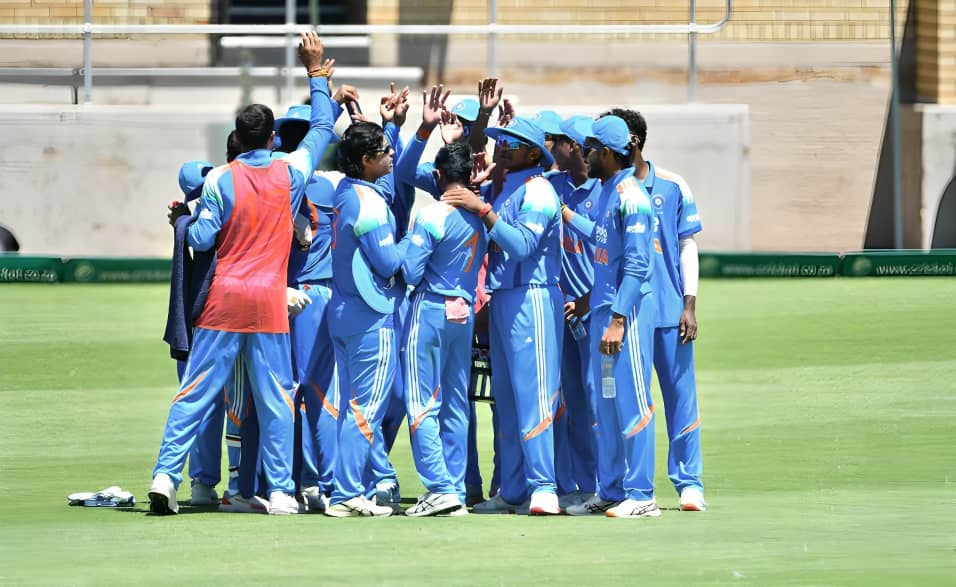
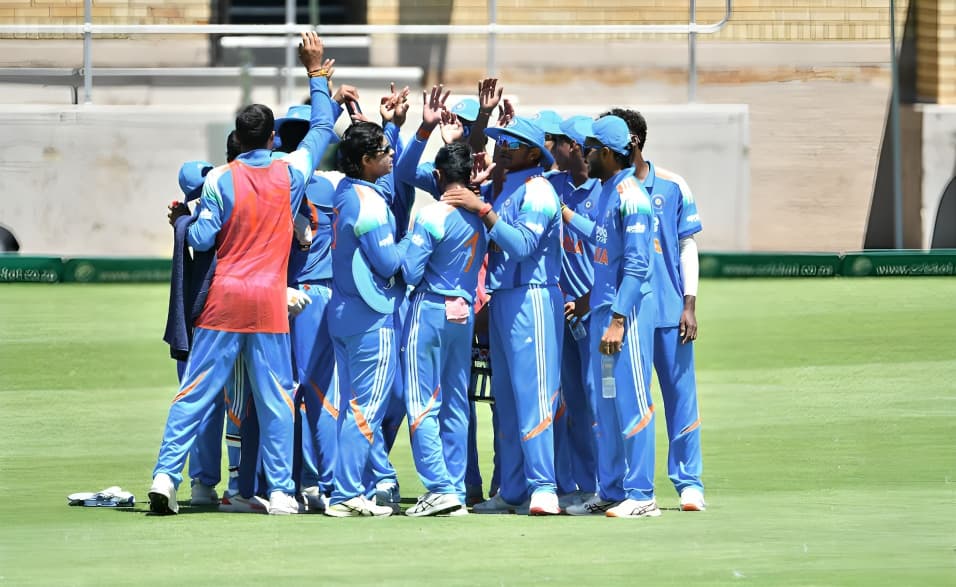
Vaibhav Suryavanshi’s tenure as India Under-19 captain is set to come to an end despite a highly successful series against South Africa. Under his leadership, the Indian U19 team dominated the visitors and completed a clean sweep in the three-match series, showcasing strong performances across all departments. Suryavanshi also led from the front with the bat, finishing as the top scorer in the series.
Despite these achievements, sources indicate that the team management has decided to rotate the captaincy as part of a broader development plan. The decision is not a reflection of Suryavanshi’s leadership or batting form, but rather a strategic move to groom multiple leadership options within the squad. Such rotation policies are commonly adopted at the junior level to prepare players for future international responsibilities.
The Board of Control for Cricket in India (BCCI) has consistently emphasized long-term planning in age-group cricket. By allowing different players to lead the team, selectors aim to assess leadership qualities, decision-making skills, and temperament under pressure. This approach also helps reduce the workload on individual players, especially those who are key contributors with the bat or ball.
Suryavanshi’s performance during the series has earned widespread praise. His consistency at the top of the order and ability to anchor innings were crucial to India’s success. Analysts believe that removing the additional responsibility of captaincy could allow him to focus further on his batting, particularly with major age-group tournaments on the horizon.
India’s dominance over South Africa highlighted the depth and talent within the U19 setup. The team delivered strong bowling performances, maintained discipline in the field, and displayed maturity in chasing targets. The series whitewash reinforced India’s status as one of the strongest sides in youth cricket.
Leadership changes at the U19 level are often influenced by upcoming schedules and tournament requirements. With future tours and global events approaching, selectors are keen to experiment with combinations and roles. The next captain is expected to be chosen based on suitability for specific conditions and long-term potential rather than short-term results.
While Suryavanshi may no longer lead the side in the immediate future, he remains a key member of the squad. His contributions as a batter continue to be highly valued, and his experience as captain will benefit both his personal development and the team’s overall balance.
The decision underscores the BCCI’s focus on building a strong pipeline of leaders and performers for Indian cricket. For Vaibhav Suryavanshi, the series against South Africa stands as a successful chapter, marked by both individual excellence and team achievement, even as the leadership role transitions to the next player.


