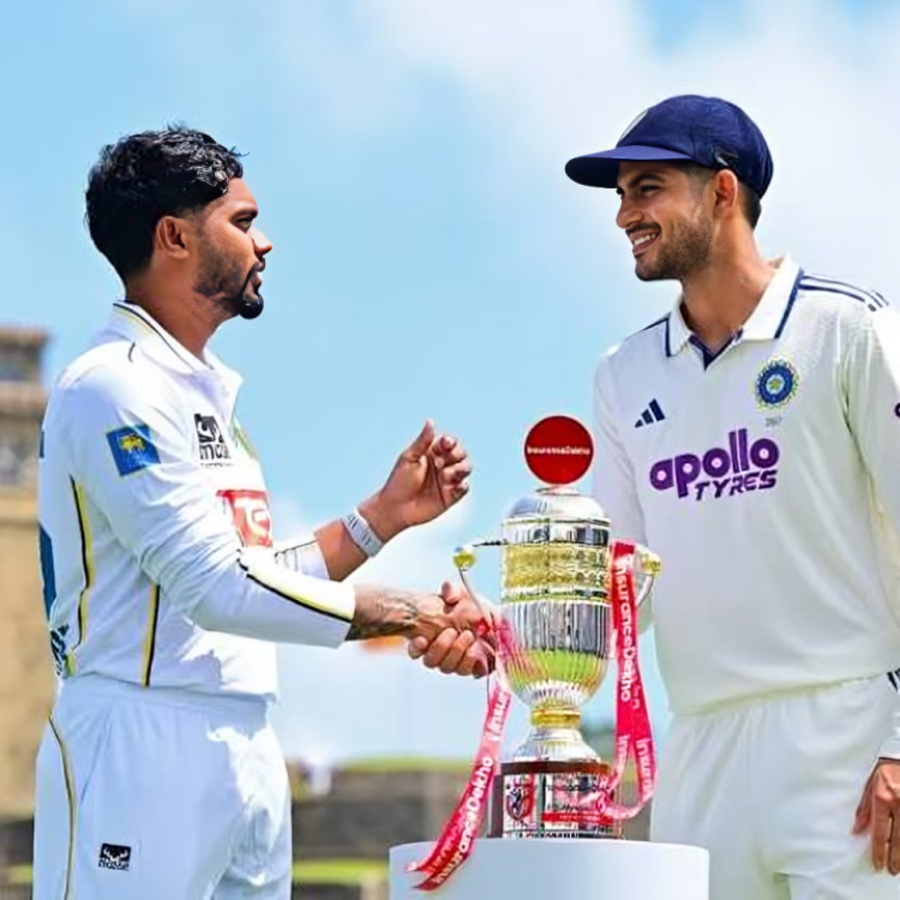
The first Test between India and Sri Lanka at the Galle International Stadium produced a dramatic third day as Sri Lanka fought back after a difficult start. India had established a strong position by posting 462 runs in their first innings, but Sri Lanka responded with an important middle and lower order recovery.
India resumed Day 3 at 460 for 9 and added only two runs before losing their final wicket. Prasidh Krishna was dismissed early in the morning session, bringing India's first innings to an end at 462. Devdutt Padikkal was India's leading run scorer with an impressive 167, while KL Rahul contributed 82 and Dhruv Jurel made 51.
Sri Lanka then began their first innings with the difficult task of negotiating India's bowling attack. The hosts suffered an early collapse and were reduced to 99 for 5 by lunch. Left arm spinner Manav Suthar played a key role during the opening session, while India's other bowlers maintained pressure on the Sri Lankan batting order.
The situation changed considerably after the early wickets. Sonal Dinusha joined Niroshan Dickwella at the crease and the pair produced a determined partnership. Their batting helped Sri Lanka recover from a precarious position and move beyond the 200 run mark.
Dickwella played an important supporting role while Dinusha gradually increased his scoring rate. The partnership eventually crossed the century mark, giving Sri Lanka renewed confidence after the early collapse.
Dinusha's innings became the major individual highlight of the day. The Sri Lankan all rounder completed his maiden Test century, reaching the milestone after a patient and determined batting effort. His century came after Sri Lanka had lost half of their side for fewer than 100 runs, making the achievement particularly significant for the hosts.
The partnership between Dinusha and Dickwella was especially valuable because Sri Lanka were facing a substantial first innings deficit. India's total of 462 had put the visitors in control, and the early wickets appeared to strengthen that advantage.
However, the Sri Lankan pair refused to allow the Indian bowlers to finish the innings quickly. Their partnership lasted for a significant period and allowed the hosts to reduce the pressure created by the early collapse.
India eventually broke the partnership when Prasidh Krishna dismissed Dickwella, who fell short of his own century. His contribution nevertheless played an important role in Sri Lanka's recovery. Dinusha continued to bat and reached his maiden Test hundred as the hosts pushed towards the 300 run mark.
The result was a significant change in the momentum of the match. India had dominated the opening session, but Sri Lanka's recovery ensured that the hosts remained competitive.
India's first innings was built around the outstanding performance of Devdutt Padikkal. The left handed batter scored 167, recording his maiden Test century and helping India build a substantial total. His innings was particularly important because India had already lost several wickets during their innings and needed a major contribution from the middle order.
Padikkal's performance came after his return to the Indian Test team and strengthened his case for a regular place in the batting order. His ability to handle Sri Lanka's spin attack was one of the major features of India's first innings.
KL Rahul also made a valuable contribution with 82 runs, while Dhruv Jurel scored a quick half century. These performances helped India reach a total of 462 despite Sri Lanka's spinners taking several wickets.
Sri Lanka's bowling attack was led by Prabath Jayasuriya and debutant Keshara Nuwantha. Jayasuriya finished with four wickets, while Nuwantha claimed three wickets. Asitha Fernando also took two wickets. Their efforts prevented India from extending the first innings total much further.
The match has also highlighted the importance of spin bowling in Galle. Both teams have used their spinners extensively, with the surface offering assistance as the Test progresses.
For India, the priority will now be to take the remaining Sri Lankan wickets quickly and preserve their first innings advantage. The visitors will also be looking to avoid allowing Sri Lanka to close the gap completely.
For Sri Lanka, Dinusha's century provides renewed hope. The hosts entered the day in a difficult position, but their middle and lower order showed considerable resilience.
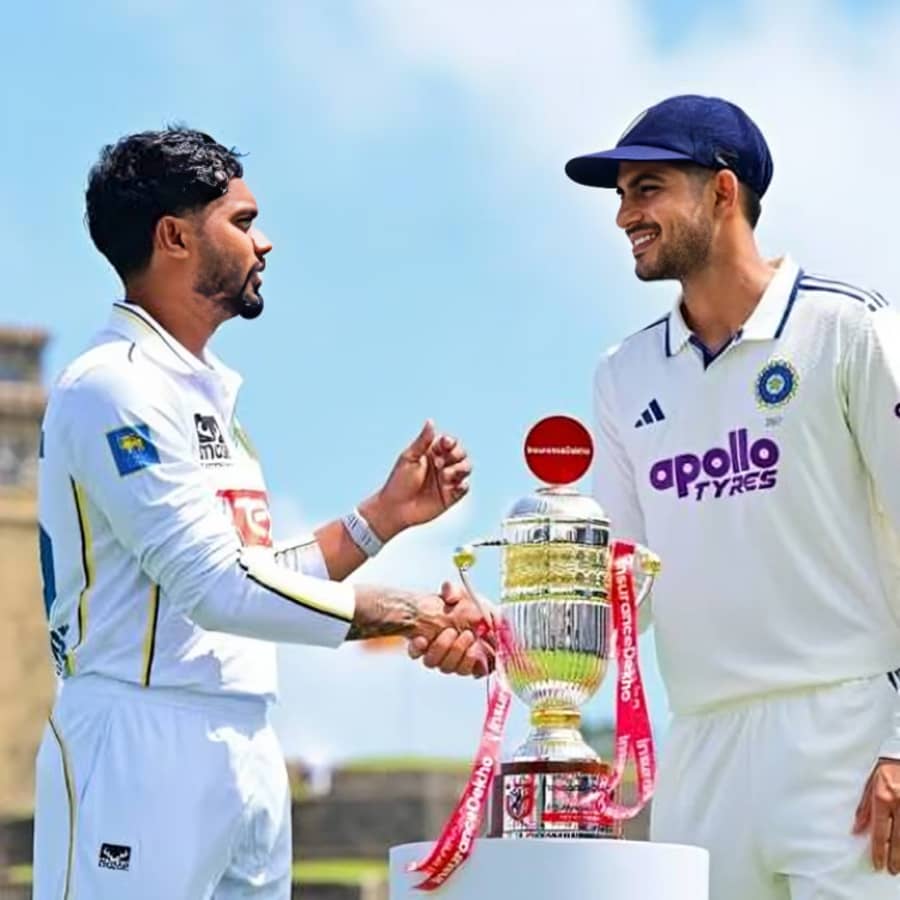
The first Test is part of India's tour of Sri Lanka in 2026. India won the toss and elected to bat first when the match began at Galle on August 15.
Weather has also played a role in the match. The second day's play was affected by rain, resulting in a shortened period of cricket. Despite the interruptions, India managed to build a strong total before Sri Lanka began their reply.
The third day has therefore become an important turning point. India started the day with a commanding position after reaching 462, while Sri Lanka were soon under serious pressure at 99 for 5. The partnership between Dickwella and Dinusha changed the complexion of the innings.
With Dinusha completing his maiden Test century and Sri Lanka moving towards 300, the hosts have managed to keep themselves in contention. India still hold the advantage because of their substantial first innings score, but Sri Lanka's recovery means the visitors will need to work hard to secure a decisive advantage.
The remaining stages of the innings will be crucial. India will want to finish Sri Lanka's innings without allowing the deficit to shrink too much, while the hosts will aim to add as many runs as possible and put pressure back on the visitors.
The Galle Test has already produced several individual milestones, including Padikkal's 167 for India and Dinusha's maiden Test century for Sri Lanka. The contrasting fortunes of the two teams on Day 3 have added another important chapter to an absorbing opening Test.