India continued to dominate Sri Lanka in the opening Test of the series at the Galle International Stadium, with the visitors building a commanding overall lead on Day 4. The match has seen India maintain control after a strong first innings and an effective bowling performance that restricted the hosts to 284.
India had posted 462 in the first innings after captain Shubman Gill elected to bat first. Devdutt Padikkal was one of the standout performers, scoring a maiden Test century and finishing with 167 runs. His innings played an important role in helping India build a substantial total despite rain interruptions during the opening days.
Sri Lanka responded with 284 in their first innings, giving India a 178 run advantage. Indian left arm spinner Manav Suthar made an impressive contribution on his Test debut, while Ravindra Jadeja also played a major role with the ball. The pair shared seven wickets as India's spinners put sustained pressure on the Sri Lankan batting lineup.
Sri Lanka did manage periods of resistance. Sonal Dinusha scored his maiden international century, while Niroshan Dickwella contributed an important 80. Their efforts helped Sri Lanka reach 284, but India still secured a healthy first innings lead.
India then returned to bat with a clear advantage and looked to extend its lead further before declaring or setting Sri Lanka a difficult fourth innings target.
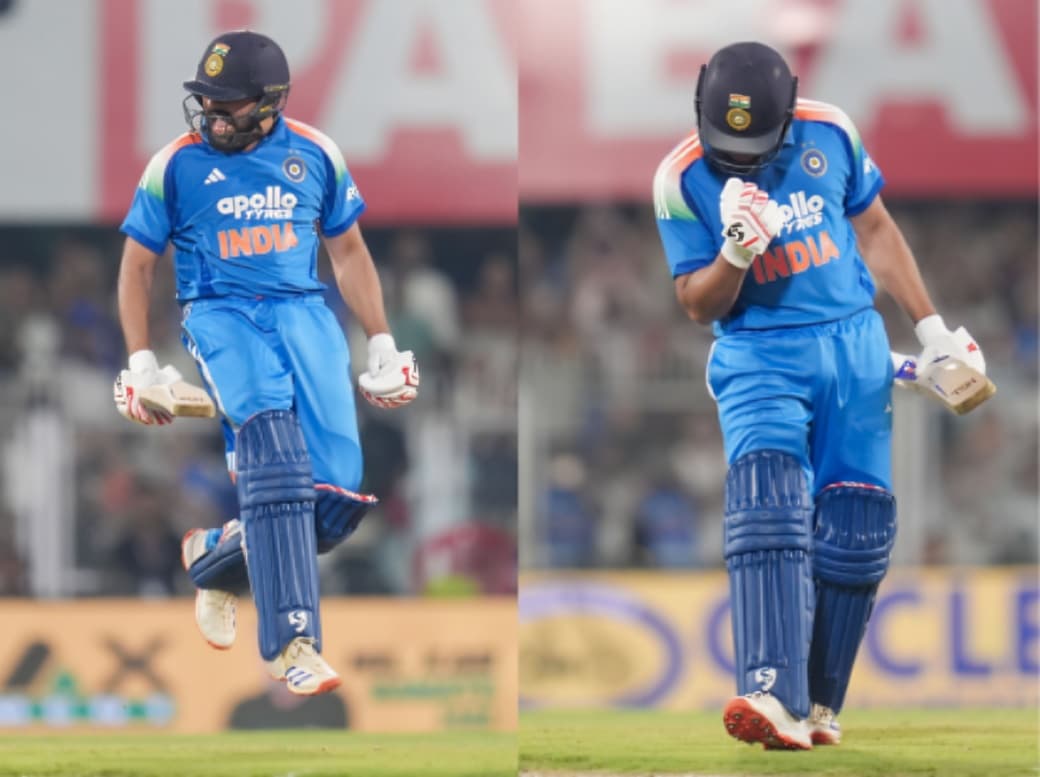
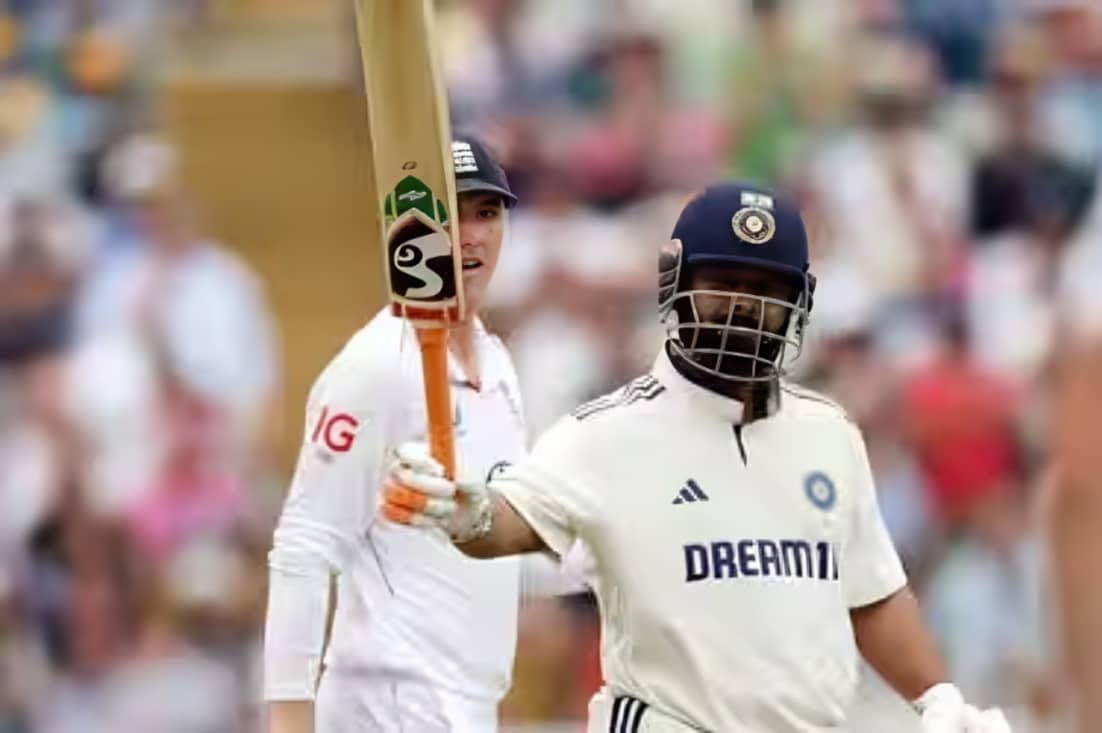
Rishabh Pant once again provided the attacking spark. The wicketkeeper batter scored 66 runs and played an aggressive innings before being dismissed.
Pant's innings was particularly significant because he reached a major milestone during his knock. By hitting his 100th six in Test cricket, he became the first Indian batter to reach the landmark in the longest format. He became only the third player overall to achieve 100 Test sixes, according to reports following his milestone.
Pant reached the landmark in his 51st Test, making the achievement even more notable. His aggressive approach has long been one of the defining features of his Test batting, and the milestone further underlined his ability to score quickly even in the longest format.
The Indian wicketkeeper's dismissal for 66 did not significantly affect India's overall position. By that stage, the visitors had already established a substantial advantage and were focused on setting Sri Lanka a challenging target.
The Galle pitch has also played an important role in the match. The Indian spinners were able to extract considerable assistance during Sri Lanka's first innings, and the conditions could become increasingly difficult for batting as the Test progresses.
India's first innings was built around several important contributions. Padikkal's 167 was the headline performance, while KL Rahul also made a valuable contribution. Rishabh Pant added attacking runs, and Dhruv Jurel scored a half century as India pushed the total beyond 450.
The Indian bowling attack then took advantage of the conditions. Manav Suthar's four wicket haul on debut was particularly impressive. The young spinner showed control and patience while operating alongside the experienced Ravindra Jadeja.
Jadeja also reached an important career milestone during the match. His three wickets against Sri Lanka took his international wicket tally to 350, adding another notable achievement to his career.
Sri Lanka's batting effort was competitive in patches but ultimately insufficient to erase India's advantage.
The hosts were particularly challenged by India's spin combination. Suthar and Jadeja consistently bowled in disciplined areas and prevented Sri Lankan batters from scoring freely.
Sri Lanka's first innings also included a century from Sonal Dinusha, who showed considerable composure under pressure. His partnership with other middle order batters helped the hosts avoid a larger deficit.
However, India eventually completed the dismissal of Sri Lanka for 284, giving the visitors a first innings advantage of 178 runs.
The second Indian innings therefore began with a strong foundation.
India's objective was to score enough runs to make the fourth innings extremely difficult for Sri Lanka. With the visitors already ahead by 178 runs, every additional run added pressure on the hosts.
The Indian batting approach was consequently positive. Rather than simply attempting to occupy the crease, the batters looked to score at a healthy rate and increase the lead quickly.
Pant's 66 was particularly useful in this context. His aggressive strokeplay allowed India to accelerate the scoring rate.
The wicketkeeper batter's milestone of 100 Test sixes also became one of the major talking points of the day.
Pant's record is significant because very few batters have managed to combine Test longevity with such an aggressive six hitting approach. Reaching 100 sixes in only 51 Tests makes the achievement particularly notable.
The dismissal of Pant provided Sri Lanka with a moment of relief, but the hosts still faced a substantial deficit.
Sri Lankan bowlers attempted to slow India's scoring through spin. Prabath Jayasuriya was among the main threats, while Asitha Fernando also contributed with the ball.
The match has already demonstrated how important spin could be during the later stages. India's success in dismissing Sri Lanka for 284 was largely built around the effectiveness of its left arm spinners.
Rain has also influenced the Test throughout the opening days. The first day was shortened, while the second and third days also experienced interruptions. The reduced playing time has added another element of uncertainty to the contest.
Despite the interruptions, India has managed to maintain control.
The visitors' decision to bat first after winning the toss has so far worked effectively. Shubman Gill's team was able to put together a large first innings total before its bowlers took advantage of the conditions.
Sri Lanka's response showed some resistance, but the 178 run deficit placed India firmly ahead.
The second innings then provided India with the opportunity to strengthen its position further.
The overall lead moving beyond 350 runs meant that Sri Lanka would face a demanding target if India eventually declared.
A target of that size would put significant pressure on the Sri Lankan top order, particularly given the effectiveness of India's spin attack.
The fourth day could therefore prove decisive in determining the direction of the Test.
For India, the priority was to maximise its advantage while leaving enough time for its bowlers to dismiss Sri Lanka. Test captains must balance the size of the target with the amount of time available to take 10 wickets.
Sri Lanka, meanwhile, needed breakthroughs with the ball to prevent India from building an enormous target.
The dismissal of Pant was one such breakthrough, but India continued to hold the advantage.
The Indian batting unit has shown considerable depth during the match. Padikkal's century, Jurel's half century and Pant's attacking 66 have ensured that the visitors have multiple contributors.
Padikkal's 167 remains one of the standout innings of the match. It was his maiden Test century and came at a crucial point in India's innings.
The performance also represents an important development in Padikkal's Test career. His ability to convert his opportunity into a major score has strengthened India's batting position.
For Sri Lanka, the challenge has been containing India's middle and lower order after the visitors established a strong platform.
The hosts will also need to find a way to counter India's spinners if they are required to chase a substantial fourth innings target.
Galle has traditionally been a venue where spin can become increasingly important as a Test progresses. India's bowling attack appears well suited to those conditions.
Suthar's performance on debut has added another option to India's bowling resources. His four wickets demonstrated his ability to handle pressure at the international level.
Jadeja's experience has also been valuable. His control and ability to bowl long spells have allowed India to maintain pressure from both ends.
The combination of youth and experience has therefore worked effectively for India.
Rishabh Pant's performance added another positive aspect to India's day. Although he eventually fell for 66, his innings helped increase the lead and created a memorable statistical milestone.
His 100th Test six was achieved with the same aggressive style that has characterised his career.
Pant's milestone also places him among an elite group of Test batters known for their ability to clear the boundary regularly.
The first Test is part of India's tour of Sri Lanka and is being played in Galle.
India entered the contest with expectations of performing strongly, while Sri Lanka were looking to use home conditions to challenge the visitors.
The opening three days produced an interesting contest, but India's superior first innings score and bowling performance gave the visitors a clear advantage.
Sri Lanka's 284 ensured that India did not secure an even larger first innings lead, but the 178 run deficit remained significant.
The fourth day therefore began with India in a strong position.
As the second innings developed, the visitors continued to extend their advantage. Pant's dismissal for 66 was one of the notable moments, but India's overall position remained comfortable.
The eventual target India chooses will be closely watched because it could determine how much time the bowlers have to force a result.
Weather conditions may also remain a factor. Any further interruptions could influence India's declaration strategy and Sri Lanka's chances of surviving the final innings.
For now, however, India has successfully converted its first innings advantage into a substantial overall lead.
The performance of India's bowlers remains one of the biggest reasons for that position. Suthar and Jadeja combined effectively to restrict Sri Lanka, while the rest of the attack supported them.
The hosts will need a major improvement with both bat and ball if they are to turn the Test around.
India, meanwhile, will be aiming to finish the match strongly and take an advantage in the series.
The match has also produced several individual milestones. Padikkal's maiden Test century, Suthar's impressive debut, Jadeja's 350 international wickets and Pant's 100 Test sixes have all added significance to the contest.
Pant's milestone in particular is likely to remain one of the defining moments of the match.
Overall, India has taken firm control of the first Test against Sri Lanka in Galle. After scoring 462 in the first innings and bowling Sri Lanka out for 284, India secured a 178 run lead before extending its advantage further in the second innings. Rishabh Pant's 66 provided an attacking contribution and saw him become the first Indian batter to hit 100 sixes in Test cricket.
With India's overall lead moving beyond 350 runs, Sri Lanka now faces a demanding task. The remaining play will determine the final target and whether India's bowlers have enough time to push for victory.