
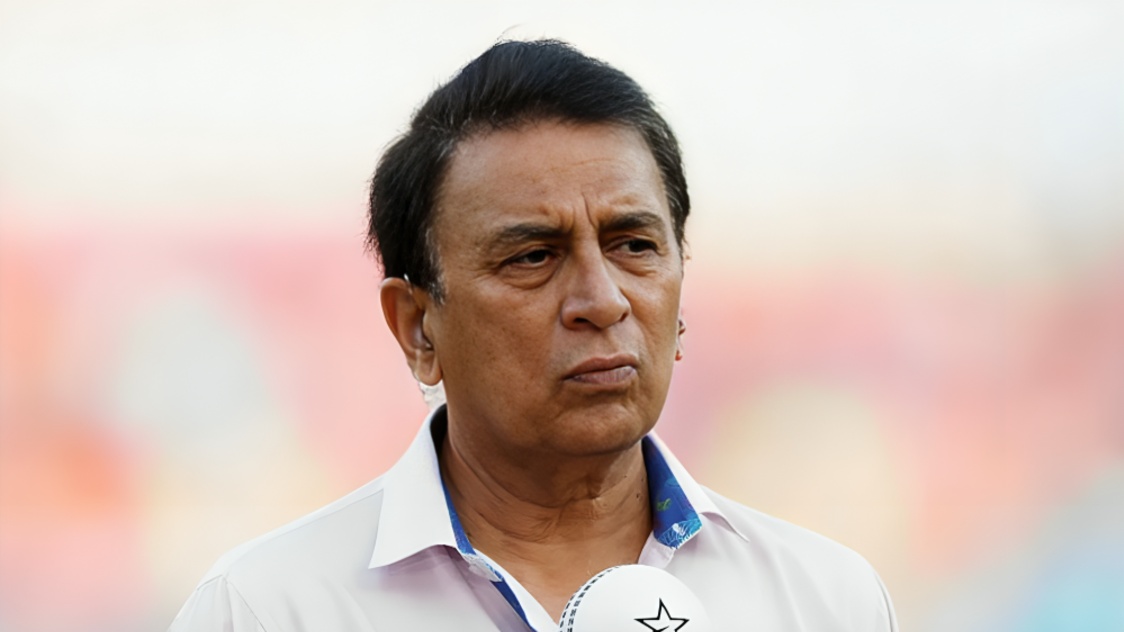
Former India captain Sunil Gavaskar has called on the Board of Control for Cricket in India to make greater use of the experience and knowledge available among the country’s former cricketing greats. Gavaskar has suggested that the role and responsibilities of the Cricket Advisory Committee could be expanded so that experienced former players can contribute to wider cricket-related decisions.
The proposal comes at a time when discussions around the structure of Indian cricket have increasingly focused on domestic cricket, scheduling, player development and the overall workload on the national team. Gavaskar believes that former players with extensive international experience could provide valuable guidance on these areas.
According to reports, Gavaskar suggested names such as Sachin Tendulkar, Rahul Dravid, Sourav Ganguly, Ravi Shastri, Anil Kumble, Harbhajan Singh and Virender Sehwag as possible members of a broader advisory setup. His idea is not limited to bringing famous former players into administrative positions. Instead, he wants their cricketing experience to be used in a more structured manner to address important issues affecting Indian cricket.
The Cricket Advisory Committee has traditionally been associated with important appointments, including the selection of coaches and other cricketing personnel. Gavaskar’s suggestion is that the committee could have a much wider mandate. Under such a model, the group could potentially examine domestic cricket-related concerns, international and domestic scheduling, player workload and other strategic matters.
Gavaskar has also questioned whether the enormous experience accumulated by former Indian stars is being fully utilised. Players such as Tendulkar, Dravid, Ganguly, Shastri and Kumble have experienced different phases of Indian cricket as players, captains, coaches or administrators. Their understanding of international cricket could potentially provide a different perspective when the BCCI evaluates long-term decisions.
The proposal does not mean that the former players have agreed to take up any new BCCI positions. There has also been no confirmation that the BCCI will implement Gavaskar’s suggested changes. At this stage, the idea remains a recommendation from one of Indian cricket’s most respected former players.
One of the major areas Gavaskar wants experienced voices to address is domestic cricket. The former India captain has previously spoken strongly about the importance of maintaining the strength of domestic competitions. His latest suggestion comes after recent discussion surrounding the Duleep Trophy and the way domestic cricket is administered.
Gavaskar’s wider argument is that Indian cricket should not be viewed only through the performance of the senior national team. The domestic structure, player development system, scheduling and preparation of cricketers are equally important for maintaining a strong pipeline of talent.
The former India captain’s comments also come amid wider concerns over the crowded international calendar. With Indian players involved in Tests, ODIs, T20Is, domestic competitions and franchise cricket, scheduling has become an important issue for the sport’s administrators. Gavaskar has previously argued that greater attention needs to be given to the broader Indian cricket ecosystem rather than focusing exclusively on the national team.
If the BCCI were to expand the CAC along the lines suggested by Gavaskar, the involvement of former players could provide an additional layer of cricketing expertise. However, any such structure would need clear responsibilities to avoid confusion between the advisory committee, BCCI office-bearers, selectors, coaches and other existing bodies.
Gavaskar’s suggested names represent several generations of Indian cricket. Tendulkar brings an extraordinary playing career and long experience at the highest level. Dravid has worked as a coach after an outstanding international career, while Ganguly has also held a senior administrative position within the BCCI. Shastri has served as India’s head coach, and Kumble has experience as both a coach and former India captain.
The inclusion of players such as Harbhajan Singh and Virender Sehwag would further broaden the range of perspectives available to such a committee. Their experiences as international cricketers could be particularly relevant when discussing player development, domestic cricket and the transition from emerging talent to international cricket.
Gavaskar’s proposal therefore goes beyond simply bringing legendary names back into the BCCI setup. His central idea is to create a mechanism through which former players can use their knowledge to contribute to important decisions affecting Indian cricket.
For now, however, there is no official announcement from the BCCI confirming an expansion of the Cricket Advisory Committee or the appointment of the former players named by Gavaskar. The proposal is likely to generate discussion about how the board can better utilise the expertise of retired Indian cricketers.
The debate also raises a broader question about the role former players should play in cricket administration. While administrative experience is important, direct knowledge of playing international cricket can offer valuable insight into issues such as preparation, workload, scheduling and player welfare.
Gavaskar’s suggestion could therefore become part of a larger conversation about the future structure of Indian cricket. Whether the BCCI chooses to adopt the proposal remains to be seen, but the former captain has made it clear that he believes India’s cricketing legends still have much to offer beyond their playing careers.