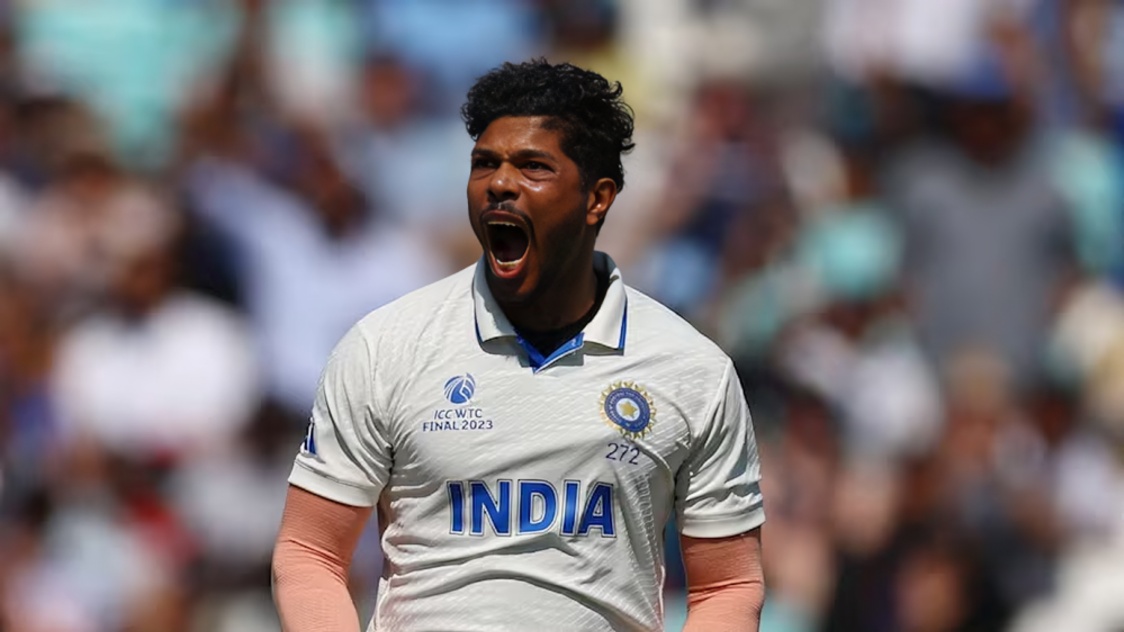
Umesh Yadav Calls for Transparency Over Selection After Impressive Ranji Trophy Return
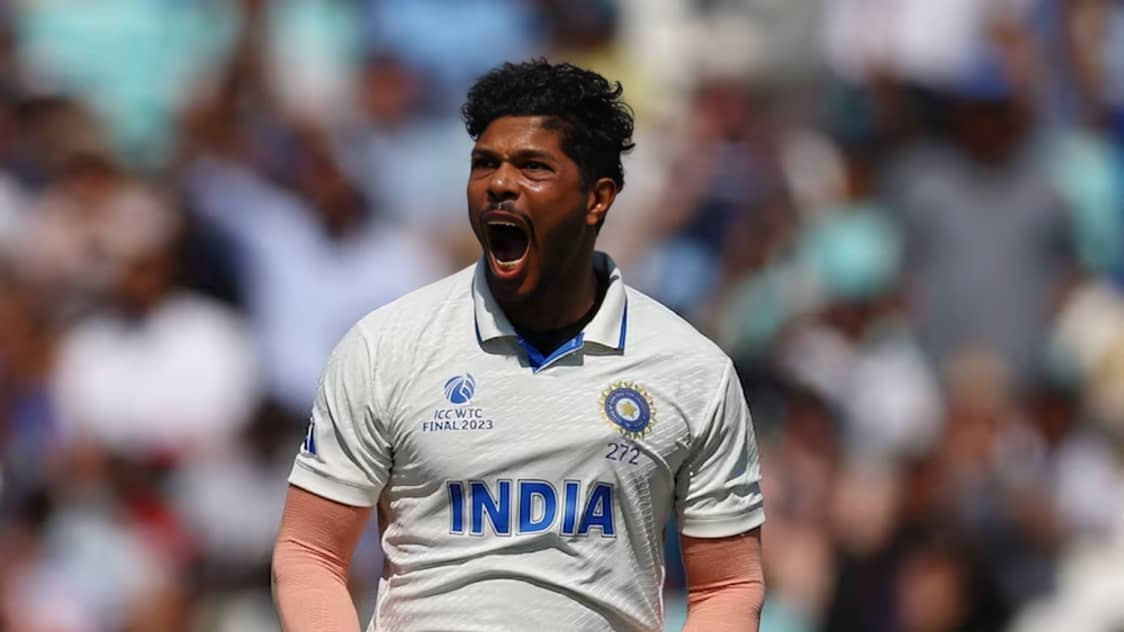
Veteran Indian fast bowler Umesh Yadav has called for greater transparency in selection decisions after making an impressive return to first-class cricket for Punjab in the 2026–27 Ranji Trophy. The experienced pacer claimed five wickets for 70 runs in 24 overs against Assam, marking a strong start to a new chapter in his domestic career.
Yadav’s performance came after a gap of nearly two years in first-class cricket. His move to Punjab followed the end of an association with Vidarbha that lasted approximately 18 years. The change of team has given the 38-year-old another opportunity to demonstrate his ability in red-ball cricket.
According to reports of his interview with Sports Now, Yadav believes selectors should communicate their decisions clearly to experienced players, particularly those hoping to return to international cricket. He argued that fitness and performance should be the main considerations when assessing a player, rather than age alone.
Five-Wicket Haul Marks Strong Return
Yadav delivered an influential performance against Assam in Punjab’s opening fixture of the Ranji Trophy season. He finished with figures of five wickets for 70 runs from 24 overs, helping Punjab restrict Assam to 373 in their first innings.
The fast bowler made an immediate impact by dismissing Rishav Das and Rajveer Singh during the early stages of the innings. He returned to take further wickets as the innings progressed, including important dismissals among the lower order.
Assam nevertheless produced a competitive total through substantial contributions from its batters. Captain Denish Das scored a century, while Sibsankar Roy remained unbeaten on 143. Their performances helped Assam recover and reach 373 despite Yadav’s five-wicket haul.
For Yadav, the performance was significant because it demonstrated his ability to handle a substantial bowling workload after his extended absence from first-class cricket. It also offered Punjab an experienced option in its pace attack for the domestic season.
The five-wicket haul was his 16th in first-class cricket, underlining his experience in the longer format. His return has drawn attention because he has not represented India since the World Test Championship final against Australia in June 2023.
Yadav Wants Selection Decisions Based on Performance
Yadav’s comments about selection centred on the importance of direct communication between selectors and players. He said that if selectors believe an experienced cricketer no longer meets the requirements for international cricket, they should explain their position honestly.
In his view, age should not automatically determine a player’s future. Instead, selectors should assess fitness, bowling performance, consistency and the ability to compete at the required level.
Yadav acknowledged that younger players are continually emerging and competing for places. However, he argued that senior players should be given a clear understanding of their standing rather than being left uncertain about whether another opportunity might arise.
He also said that receiving an honest assessment would allow a player to make informed decisions about the next stage of a career. If the selectors believe a player is no longer part of their plans, communicating that decision clearly could help the individual consider other professional opportunities.
His comments reflect a wider challenge faced by experienced international cricketers attempting to return after injuries, periods outside the national team or changes in selection priorities. Domestic performances can demonstrate current form, but an international recall also depends on team requirements, competition for places and the selectors’ assessment of a player’s overall readiness.
Reference to Mohammed Shami’s Situation
Yadav also referred to Mohammed Shami while discussing the need for clarity over the future of senior fast bowlers. Shami has likewise faced questions about his availability and prospects of returning to the Indian team after injury-related interruptions.
Shami’s continued participation in domestic cricket has kept the discussion around his international future active. His performances can provide evidence of his current form, although a return to the national side remains a selection decision.
Yadav’s broader point was that players should receive clear communication about where they stand. He believes that knowing the selectors’ position would help experienced cricketers understand whether they should continue pursuing an international comeback or begin planning for the next phase of their careers.
The situations of the two fast bowlers are not identical, and their selection prospects depend on individual fitness, performances and the requirements of the Indian team. However, Yadav’s comments have brought renewed attention to how selectors communicate with established players who are outside the national setup.
Injury Recovery and His Departure from Vidarbha
Yadav’s move to Punjab followed a difficult period that included a serious Achilles tendon injury and an extended recovery process. The injury disrupted his career and contributed to his absence from first-class cricket for an extended period.
He had represented Vidarbha for much of his domestic career, making the decision to move to Punjab a significant change. Yadav has also expressed dissatisfaction with the support he received during his return to competitive cricket and made critical allegations about the environment at his former team.
Those comments represent Yadav’s account of his experience. The allegations should be understood as his stated perspective and not as independently established findings about the conduct or intentions of Vidarbha officials.
Joining Punjab has provided him with a fresh opportunity to compete in domestic cricket. His five-wicket performance against Assam gives him a strong starting point as he seeks to remain competitive and demonstrate his fitness through match performances.
What His Comeback Means for His Future
Yadav’s return does not guarantee an international recall, but his performance provides a positive indication of his current ability in first-class cricket. Bowling 24 overs and taking five wickets represents a meaningful contribution, particularly after a lengthy absence from the format.
At 38, he faces competition from younger fast bowlers as India continues to assess its options across formats. His chances of returning will depend on his fitness, consistency, ability to maintain his workload and the needs of the national team.
For now, Yadav’s immediate challenge is to build on his start with Punjab and produce consistent performances throughout the domestic season. Strong displays could strengthen his case, although only the selectors can determine whether he fits into India’s future plans.
His message is ultimately about clarity and professional respect. Yadav wants decisions to be based on cricketing evidence and communicated directly to the players concerned. Whether or not another international opportunity follows, his Ranji Trophy return has renewed attention on his career and the questions facing experienced fast bowlers seeking a comeback.