Vaibhav Sooryavanshi's Selection Dilemma: Why India Needs a Clear Plan for Its 15-Year-Old Batter
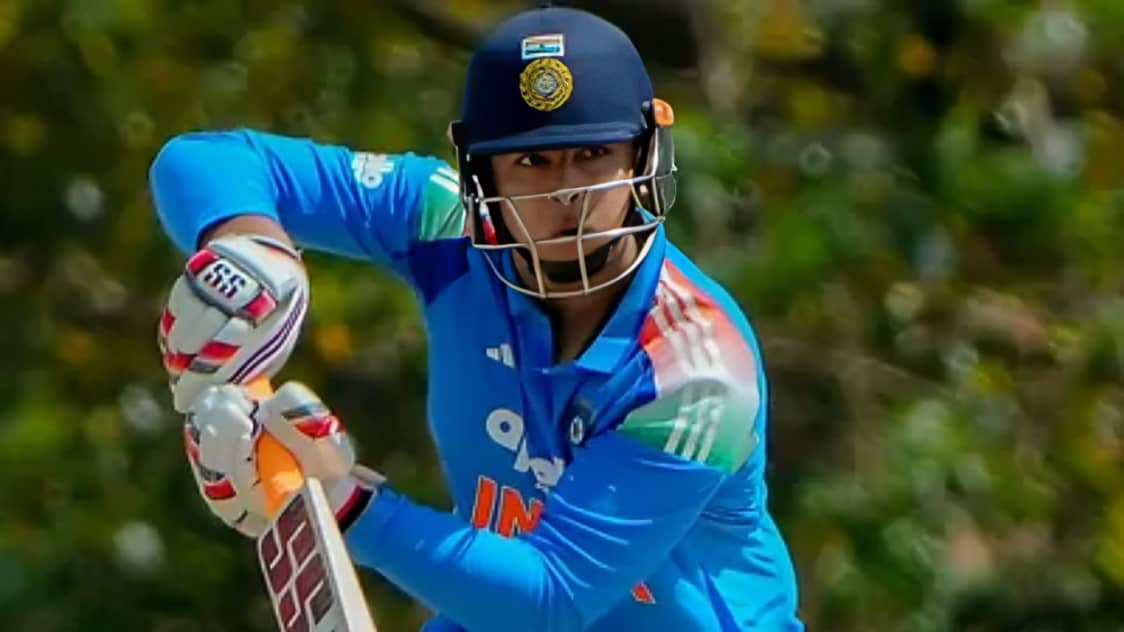
India's decision to leave Vaibhav Sooryavanshi out of the playing XI for the first T20 International against New Zealand on October 22, 2026, has reignited debate about how the team should manage one of its most promising young batters. The 15-year-old has attracted attention through his aggressive batting, impressive Indian Premier League campaign and performances in international cricket. However, his repeated absence from the starting lineup has raised questions about the purpose of keeping him in the senior squad without providing regular opportunities to play.
The issue involves more than one selection decision. India must balance the development of a teenage prospect with the need to maintain a successful team combination. The challenge is to ensure that the young batter's progress continues while respecting the performances and experience of established players.
A Young Batter With Impressive Credentials
Sooryavanshi earned widespread attention after a remarkable IPL 2026 campaign, scoring 776 runs at a reported strike rate of 237.31. His aggressive approach at the top of the order made him one of the tournament's most talked-about players and strengthened calls for his inclusion in the national side.
He subsequently made his senior international debut during India's tour of England in July 2026. His first outings were challenging, but he showed greater consistency in the following T20I series against Zimbabwe, finishing as the leading run-scorer with 151 runs at an average of 50.33 and a strike rate of 196.10, according to published reports.
These performances demonstrated why selectors were willing to fast-track him into the senior team at such a young age. They also increased expectations that he would receive meaningful opportunities to establish himself at international level.
Nevertheless, strong performances in the IPL and against one international opponent do not automatically guarantee a place in every playing XI. Selection decisions also depend on conditions, opposition, team balance and the form of other batters.
Why Has Sooryavanshi Been Left Out?
India's management has prioritised continuity at the top of the batting order. Sanju Samson and Abhishek Sharma were retained as the opening pair for the first T20I against New Zealand, with the team backing players who have contributed to its recent success.
Head coach Gautam Gambhir has previously explained that Sooryavanshi will need to wait for his opportunity. In September, Gambhir said the youngster had been given a clear explanation of his position and that, when his chance arrived, he would receive a longer run in the team.
The coach's position reflects the principle that established players should not automatically lose their places after a small number of unsuccessful innings. Maintaining confidence within the dressing room is important, particularly when a team has recently achieved significant results.
However, repeated omissions can create uncertainty about a young player's role. If Sooryavanshi is considered ready for international cricket, the team management needs to explain how and when he might be integrated into the playing XI.
The Debate Between Merit and Team Stability
The central question is whether India can maintain its successful combinations while creating opportunities for emerging talent. Supporters of Sooryavanshi's inclusion argue that his recent scoring record deserves consideration and that international experience is essential for his long-term development.
Others believe that the team should avoid making changes simply because a young player has enjoyed a successful tournament. Samson and Abhishek have also delivered important performances, and removing either batter without a clear performance-based reason could undermine confidence in the selection process.
Both arguments have merit. International cricket requires consistency, but it also demands the ability to identify when new players can strengthen a team. The challenge for selectors is to assess current form alongside long-term potential without allowing either factor to dominate every decision.
The debate should therefore focus on the team's overall strategy rather than treating each omission as proof that the selection policy has failed.
What Should India Do Next?
India could consider a clearer development plan for Sooryavanshi. This might involve identifying specific series or conditions in which he is likely to receive opportunities, communicating expectations to him and evaluating his progress over a defined period.
If the management believes he is not yet ready for regular international cricket, a consistent role in domestic competitions or India A matches could help him continue developing. If he is considered ready, the team should identify appropriate opportunities to include him rather than repeatedly selecting him without a clear route into the playing XI.
A structured approach would also help manage public expectations. Young athletes can face enormous attention after rapid success, and a long-term plan can reduce uncertainty while keeping the focus on training and performance.
Protecting a Young Player's Development
At 15, Sooryavanshi has considerable time to develop his technique, decision-making and ability to handle different playing conditions. His aggressive style is a major strength, but sustained success at international level also requires adaptability against varied bowling attacks and on unfamiliar pitches.
The team should avoid placing unnecessary pressure on him to deliver match-winning performances immediately. Equally, his age should not become the only reason to keep him out if the coaching staff believes he is ready to compete.
The best approach would combine careful workload management, clear communication and opportunities that are based on cricketing needs. That would allow the youngster to learn from international competition while preserving the stability of the wider squad.
Conclusion
Vaibhav Sooryavanshi's continued absence from India's playing XI has raised a legitimate question about how the team intends to use its youngest batting prospect. The management has reasons to back experienced players and preserve a successful combination, but squad selection should also serve a clear developmental purpose.
India does not need to guarantee Sooryavanshi a place in every match. It does, however, need a transparent plan that connects his selection to meaningful opportunities and continued progress. Balancing immediate results with long-term talent development will be central to ensuring that his promising start translates into a sustainable international career.