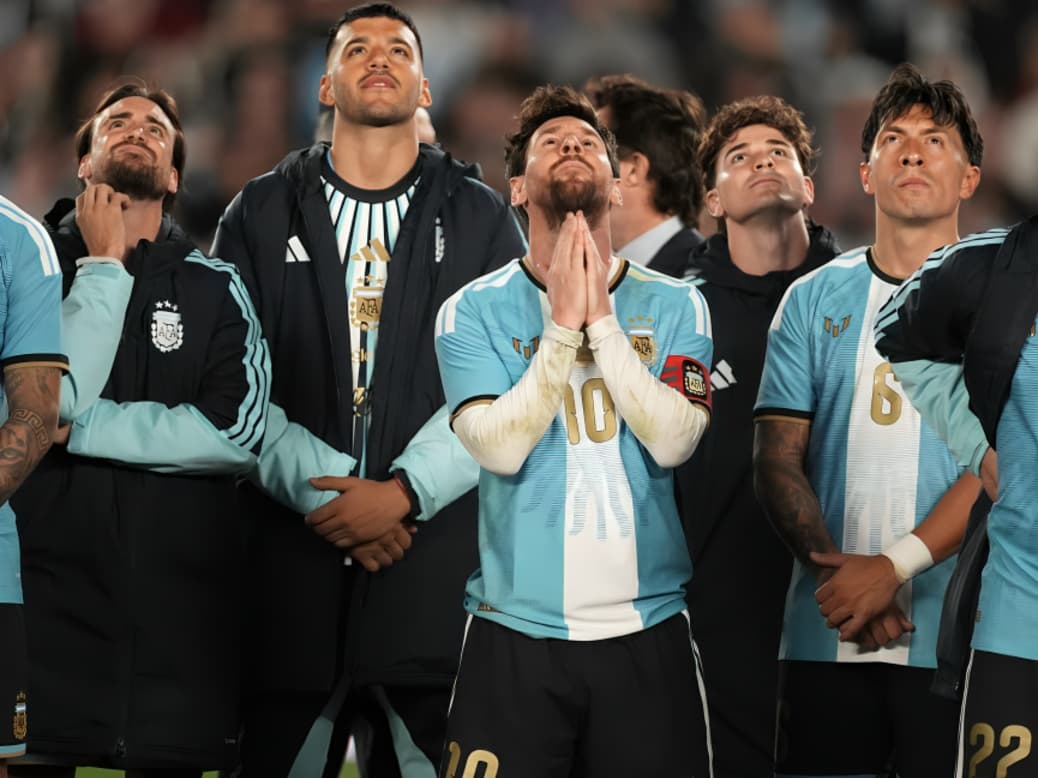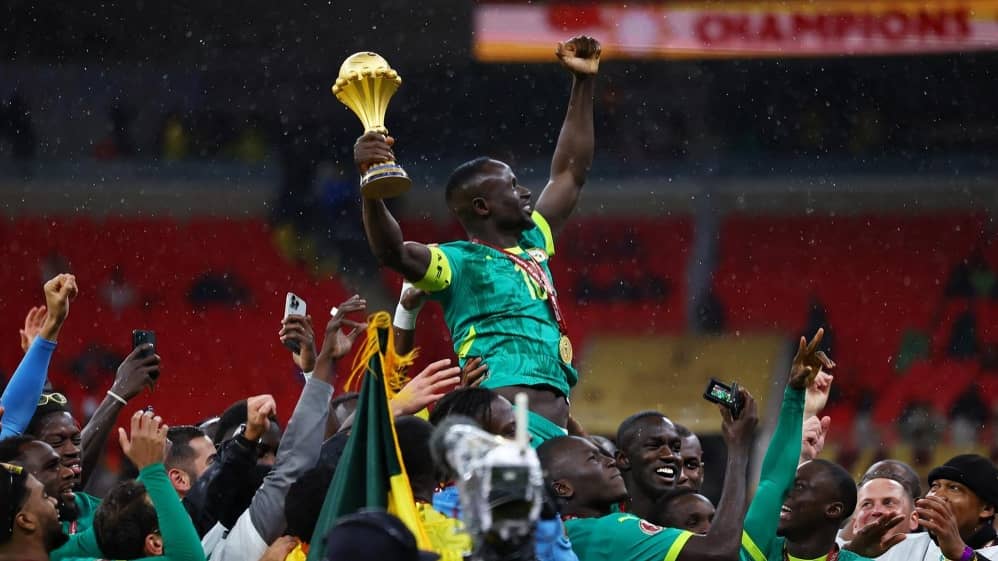
The Africa Cup of Nations 2025 final in Morocco was meant to be a celebration of football and African unity, but it also revealed the powerful emotions the sport can unleash. In Rabat, clashes involving Senegalese fans led to several arrests, shifting the spotlight from the pitch to the streets. For many supporters, football represents far more than a game. It carries identity, pride, and deep emotional investment.
Djibril Gueye, a leader of the Senegal Casa fan club, described how passions ran high despite efforts to maintain calm. Supporters had travelled with hopes of witnessing history, but emotions overwhelmed reason for some. The disturbances marked a difficult moment in what had otherwise been a tournament symbolising unity across the continent.
Beyond the incidents, the Africa Cup of Nations once again demonstrated its role as a rare platform where ordinary Africans connect beyond politics. Fans from different nations shared food, conversations and experiences, reinforcing cultural and historical bonds. Senegal and Morocco, in particular, share centuries-old ties rooted in trade, religion and regional cooperation.
Following the final, diplomatic engagement between the two countries gained momentum. Senegal’s Prime Minister visited Morocco, and both nations signed agreements covering trade, investment and security cooperation. The move underlined how football diplomacy can sometimes open doors for broader collaboration, even after moments of tension.
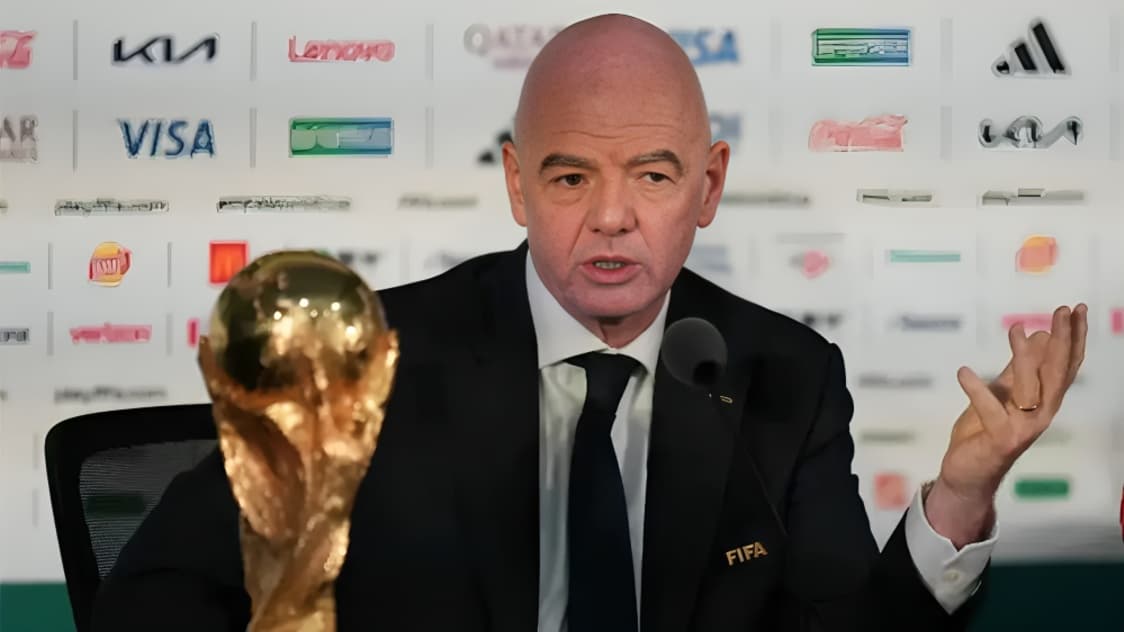
Morocco, despite not lifting the AFCON trophy, used the tournament to showcase its readiness for global events. The country has invested heavily in infrastructure, including new stadiums and a high-speed rail network connecting major cities such as Rabat and Tangier, with plans to extend services to Marrakech. These developments are part of a larger vision as Morocco prepares to co-host the 2030 FIFA World Cup alongside Spain and Portugal.
For African football fans, the prospect of the World Cup being hosted partly on African soil is deeply significant. It brings the global game closer to home and renews hopes of seeing an African nation achieve football’s ultimate prize on familiar ground.
While the AFCON final exposed divisions among supporters, organisers and fans alike hope the sport will ultimately fulfil its promise of unity. As Morocco looks ahead to 2030, the lessons from AFCON 2025 may help ensure that future tournaments balance passion with peace, allowing football to remain a bridge between cultures rather than a source of conflict.