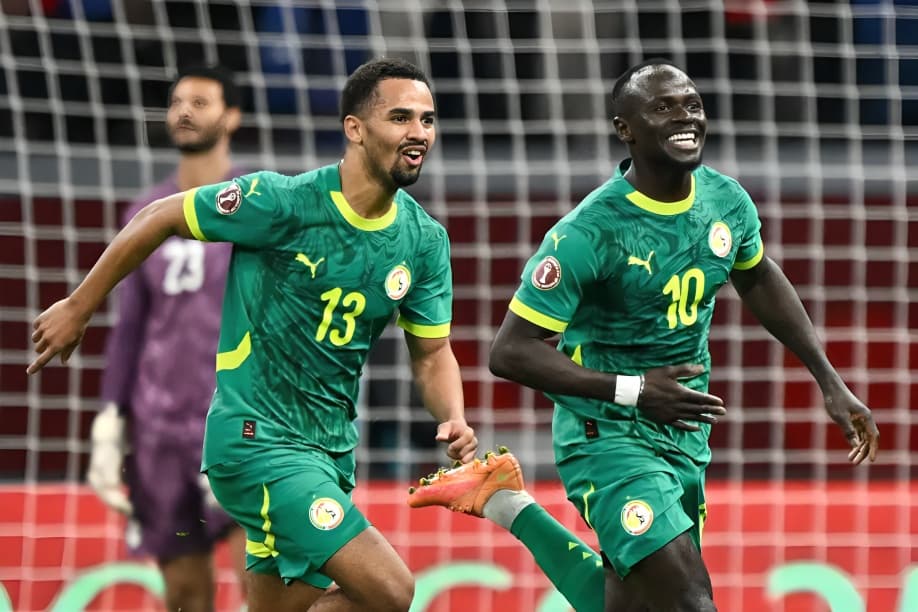
The final of the 2026 Africa Cup of Nations delivered unprecedented drama as Senegal and Morocco clashed in a tense showdown in Rabat. What was expected to be a celebration of African football briefly turned chaotic after Senegal players staged a walkout in protest during the match.
The controversy arose following a refereeing decision that awarded Morocco a penalty, a call that Senegal’s camp strongly disputed. Reports indicated that the Senegal players left the field on the instructions of their coaching staff, expressing dissatisfaction with the decision and questioning the fairness of the officiating. The sudden walkout stunned fans inside the stadium and viewers watching across the continent.
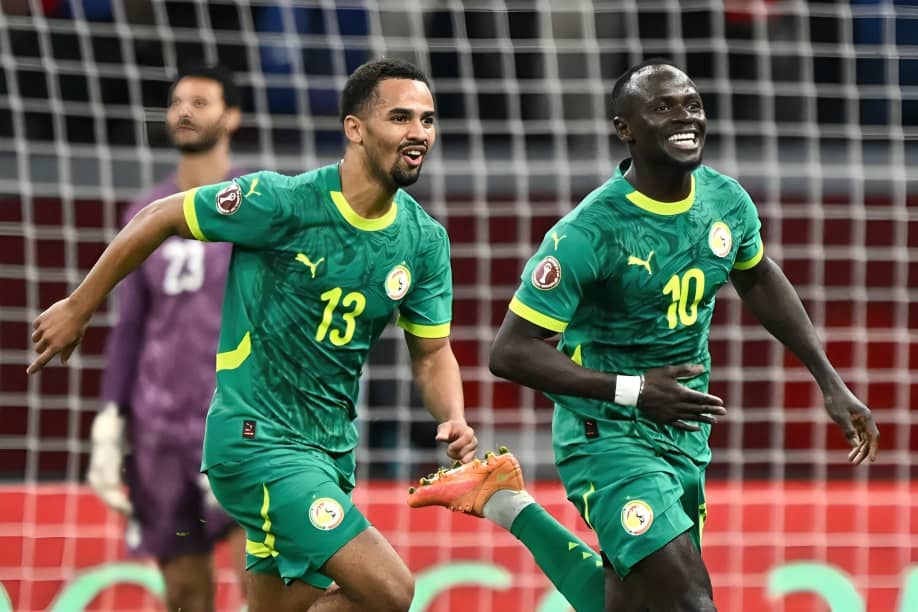
At a crucial moment, Senegal captain Sadio Mane took charge of the situation. Displaying leadership and composure, Mane urged his teammates to return to the pitch and resume the match. His intervention helped prevent further escalation and ensured that the final continued without abandonment. The players eventually complied, and play resumed amid heightened tension.
The drama did not end there. Morocco’s Brahim Díaz, tasked with converting the penalty that had triggered the controversy, failed to score. His miss intensified the emotions surrounding the incident and shifted momentum back into the contest. The penalty miss drew loud reactions from both sets of supporters and added another layer of intrigue to the final.
The episode sparked widespread debate among football analysts, fans, and former players, with discussions focusing on refereeing standards, player conduct, and the role of leadership in moments of crisis. While walkouts are rare in high-profile international finals, the incident highlighted the pressure and emotions involved at the highest level of competition.
Senegal’s decision to briefly leave the field raised questions about protest methods in football and the potential consequences teams could face for such actions. However, Mane’s timely intervention was widely praised as an example of responsible captaincy, prioritising the spirit of the game and the importance of completing the final on the field.
The AFCON final ultimately continued under intense scrutiny, with both teams battling not just for the trophy but also against the psychological impact of the dramatic interruption. The match will be remembered not only for the football played but also for the extraordinary scenes that unfolded during a crucial phase of the contest.
As African football continues to grow on the global stage, the events of the 2026 AFCON final serve as a reminder of the importance of clear officiating, calm leadership, and adherence to sporting values, especially in moments of high pressure and global attention.