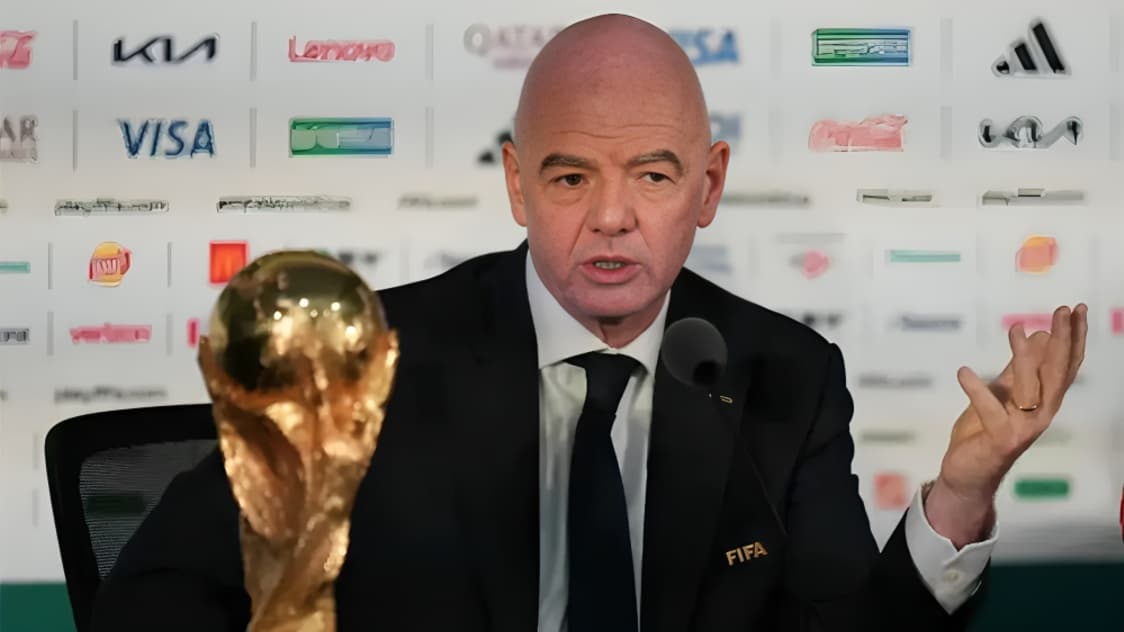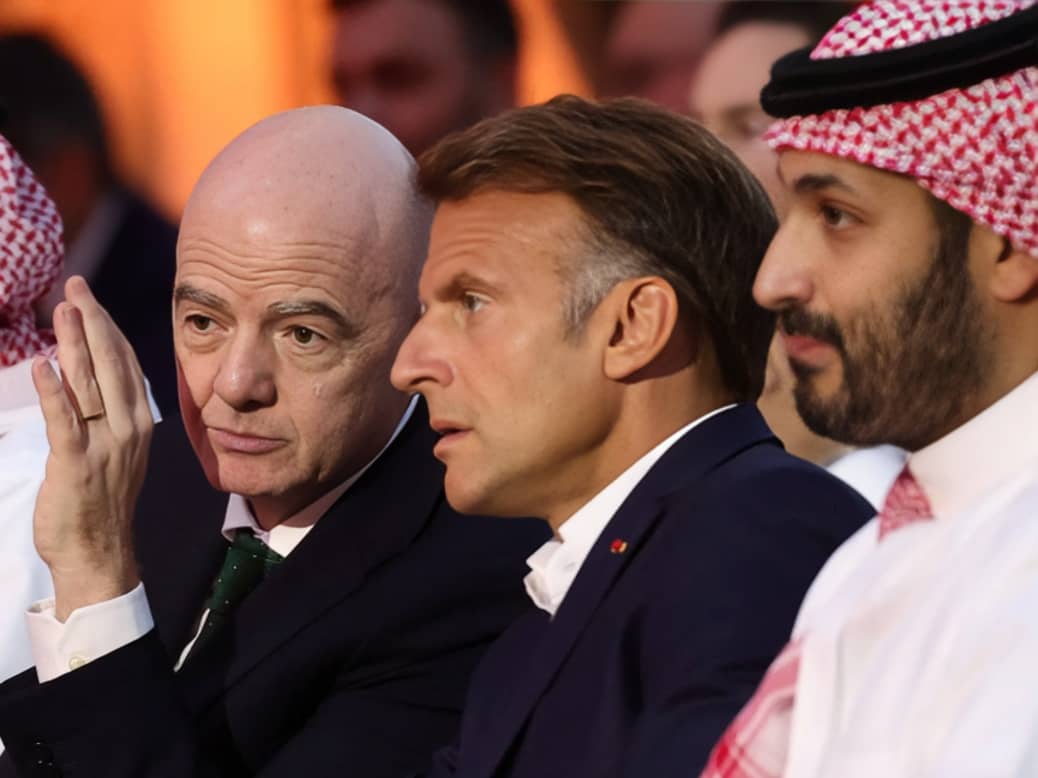
FIFA has escalated its dispute with UEFA by accusing European football's governing body of conducting a smear campaign over the now-abandoned plan to introduce private investment into the commercial rights connected to FIFA's major competitions.
The dispute centres on FIFA Forward Enterprise, a proposed business structure that was designed to attract private investors by offering stakes connected to commercial revenues from FIFA competitions. The proposal was promoted during FIFA President Gianni Infantino's leadership but was withdrawn after strong opposition from UEFA and other football organisations.
FIFA abandoned the proposal on July 31, 2026, following significant criticism and concerns about the structure and implications of the plan. The proposal had reportedly targeted around $4.2 billion in investment, with private investors potentially receiving a stake in the new commercial entity.
The controversy has now moved into the legal arena. UEFA has sought documents and evidence from US courts as it considers possible legal proceedings in Switzerland concerning Infantino and potentially other FIFA officials. The European governing body has argued that the documents could be relevant to its examination of the abandoned investment proposal.
FIFA has strongly rejected UEFA's approach. In a recent court filing, FIFA described UEFA's actions as a smear campaign and a fishing expedition. FIFA lawyers have asked US courts to reject or delay UEFA's efforts to obtain the requested material.
According to FIFA's legal position, UEFA's requests are not simply part of a legitimate evidence-gathering process but are also intended to damage the reputation of FIFA and its leadership. FIFA has challenged UEFA's authority to pursue the matter through the US courts and has raised questions about the appropriate legal forum for the dispute.
UEFA has taken a very different position. The European body has been one of the strongest opponents of the private investment plan and has argued that FIFA did not provide sufficient consultation or transparency before moving forward with the proposal.
UEFA's concerns intensified after FIFA's plan became public. The organisation had previously demanded that relevant documents be preserved, signalling that it could pursue legal or regulatory action over the proposal. UEFA later began seeking access to documents in US jurisdictions connected to FIFA and potential investors.
The proposed FIFA Forward Enterprise was intended to change how FIFA's tournament-related commercial interests were structured. The plan involved creating a separate entity that would hold or manage commercial rights associated with competitions including the men's and women's World Cups and the Club World Cup.
Private investment was expected to provide FIFA with substantial upfront funding. Reports identified Thrive Capital, the investment firm founded by Joshua Kushner, as a potential leading investor. The proposal nevertheless faced resistance from football organisations that questioned the long-term consequences of selling a stake in revenues associated with FIFA's major competitions.
UEFA's objections eventually became part of a much wider dispute over FIFA's governance. European football officials argued that decisions involving the commercial future of the World Cup required greater consultation with member associations and confederations.
The controversy also created political pressure around Infantino's leadership. Several football organisations have criticised the FIFA president over the proposal, while some confederations have called for changes to FIFA's governance structure. Infantino continues to have support from several football regions, meaning the dispute has not resulted in a unified position across the global football community.
The legal dispute has therefore become more significant than the original investment proposal. UEFA is now seeking evidence that could potentially support proceedings in Switzerland, while FIFA is attempting to prevent or delay the release of documents through US courts.
FIFA has argued that UEFA's legal strategy is inappropriate and has suggested that the European body is attempting to influence public opinion through court filings. UEFA, however, maintains that its requests are connected to legitimate concerns about the proposed transaction and the responsibilities of FIFA's leadership.
The disagreement also involves the question of whether UEFA has the right to pursue legal action against FIFA officials through the Swiss system. FIFA has pointed to existing arrangements between the two organisations and has argued that disputes should be handled through agreed mechanisms rather than through the approach UEFA has taken.
UEFA's position is that it is examining whether the proposed transaction could involve financial mismanagement. Reports on the legal filings indicate that UEFA is considering a criminal complaint in Switzerland against Infantino and potentially other FIFA officials. Such consideration is not the same as a finding of wrongdoing, and no criminal conviction has resulted from the dispute.
The private investment plan itself has already been withdrawn. FIFA said the proposal would not proceed after the controversy created divisions within international football. The withdrawal followed widespread opposition from UEFA and other stakeholders.
One of the key questions surrounding the controversy is the value that would have been assigned to the commercial interests included in the proposed structure. UEFA has questioned whether the proposed valuation adequately reflected the future financial potential of FIFA's competitions.
Supporters of the proposal, on the other hand, argued that private investment could provide FIFA with additional financial resources and potentially increase funding available for football development. FIFA has pointed to the potential benefits of investment in football outside Europe's traditional markets.
The disagreement therefore reflects a broader debate about the commercialisation of international football. FIFA controls some of the world's most valuable sporting competitions, and decisions about their commercial rights have major financial implications for national associations, confederations, investors and other stakeholders.
UEFA's opposition is particularly significant because European football represents one of the strongest commercial markets in the global game. European clubs, leagues and broadcasters contribute significantly to the football economy, while UEFA itself operates major competitions such as the Champions League.
The conflict between FIFA and UEFA has also raised concerns about the balance of power within international football. UEFA has called for greater transparency and institutional checks, while FIFA has defended its authority to develop commercial strategies for the benefit of the global game.
The dispute comes at an important time for Infantino, who is expected to seek another term as FIFA president. The controversy surrounding the investment plan has added to political uncertainty ahead of the next FIFA presidential election.
Infantino remains FIFA president, and the current dispute should not be interpreted as proof that he has committed a criminal offence. The legal proceedings being considered by UEFA are part of an ongoing dispute, and any allegations would need to be examined through the appropriate legal process.
The role of potential investors has also attracted attention. Joshua Kushner's Thrive Capital was identified as a potential participant in the proposed structure. Kushner has defended the investment concept while acknowledging that the political complexities surrounding global football were underestimated.
FIFA's latest court filing represents another stage in the confrontation. Rather than allowing UEFA's document requests to proceed without objection, FIFA is seeking to challenge the legal basis for the requests and the manner in which UEFA is pursuing the matter.
UEFA, meanwhile, continues to seek evidence that it believes could help determine whether further action should be taken. The organisation's approach demonstrates that the collapse of the investment plan has not ended the controversy surrounding it.
The dispute could continue through the courts and football's governing structures in the coming months. Its outcome could influence not only Infantino's political position but also future discussions about how FIFA manages its commercial assets.
For international football, the controversy highlights the difficulty of balancing commercial expansion with governance, transparency and the interests of member associations. The proposed investment plan may have been abandoned, but disagreements over its development and the decision-making process remain unresolved.
Overall, FIFA's accusation of a smear campaign marks a significant escalation in its confrontation with UEFA. FIFA maintains that UEFA's legal efforts are designed to damage the organisation and its leadership, while UEFA says it is seeking evidence connected to serious concerns about the abandoned investment proposal.
At this stage, the central allegations remain disputed. The legal process and any future proceedings will determine whether UEFA's concerns result in further action. Until then, the conflict represents an increasingly serious governance dispute between the world's football governing body and Europe's leading football organisation.