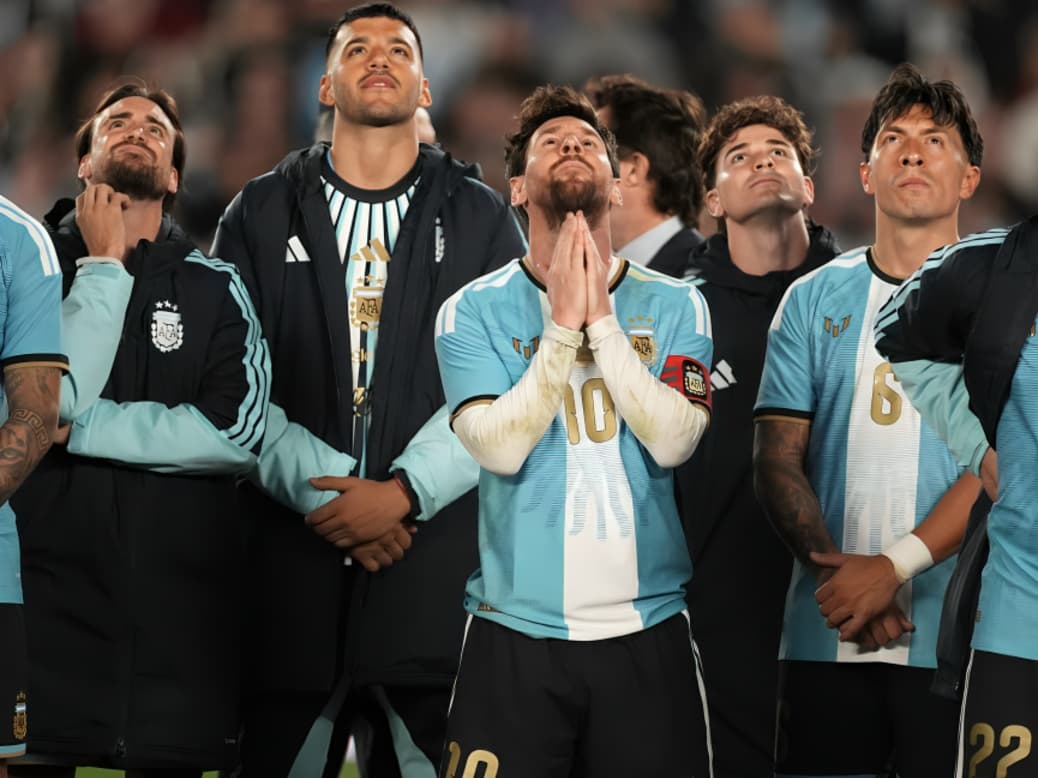
The race for hosting the 2030 and 2034 FIFA World Cups is drawing intense attention, with the footballing world eagerly awaiting FIFA's official announcement on the selected hosts. These decisions promise to reshape the future of the tournament, with a focus on global inclusivity, historical significance, and bold ambitions for the future.
The 2030 World Cup is set to be a landmark tournament, celebrating the centenary of the inaugural World Cup held in 1930. In a historic move, a unique six-nation bid has been proposed, involving three continents. Morocco, Spain, and Portugal are teaming up with Uruguay, Argentina, and Paraguay to jointly host the tournament. This cross-continental bid is intended to honor the tournament's origins, as Uruguay was the site of the first-ever World Cup. The host nations plan to include a symbolic match in Uruguay to celebrate the tournament's historical roots, while also spreading the event across Europe, South America, and Africa, offering a more inclusive global footprint.
Uruguay, Argentina, and Paraguay’s involvement in this bid is particularly significant. Uruguay, the country that hosted the first World Cup in 1930, will play a symbolic role in the event, highlighting the rich history of the tournament and its evolution over the past 100 years. The bid has been hailed for its commemorative value and the opportunity to connect the past with the future. However, the idea of holding a World Cup across three continents has faced criticism, particularly regarding the environmental impact. The long-distance travel required for teams and fans to attend matches in different countries could result in significant carbon emissions, raising concerns about sustainability in an era where environmental consciousness is growing.
As for the 2034 World Cup, Saudi Arabia is poised to be the sole contender, and is expected to be awarded the hosting rights without any competition. If confirmed, Saudi Arabia will become only the second Middle Eastern country to host the World Cup, following Qatar’s successful bid in 2022. The Saudi bid promises an ambitious vision, with plans for substantial infrastructure investments, including state-of-the-art stadiums and extensive facilities aimed at transforming the country into a major global sports hub. Saudi Arabia’s bid also seeks to bolster its national image and global stature through the power of sport, aligning with the country’s broader economic and cultural reforms under its Vision 2030 plan.
However, Saudi Arabia’s bid is not without its controversies. The country’s human rights record remains a point of contention, with critics raising concerns about the treatment of women, freedom of expression, and the rights of migrant workers, especially in the context of large-scale infrastructure projects. The country’s extreme desert climate, with temperatures often soaring above 40°C (104°F) during the summer, also raises logistical concerns regarding player welfare and the comfort of fans, which could impact the tournament’s success. Despite these issues, the Saudi bid has garnered strong support, with many viewing it as part of the broader geopolitical strategy to make the kingdom a major player in the global sporting arena.
In summary, the upcoming announcements of the 2030 and 2034 World Cup hosts promise to be historic moments. The 2030 tournament’s six-nation, three-continent bid celebrates the World Cup’s centenary, but also brings forward environmental and logistical challenges. Meanwhile, Saudi Arabia’s anticipated hosting of the 2034 World Cup reflects the kingdom’s ambition to become a global sports hub, though it will need to address serious concerns about human rights and its extreme climate. As FIFA prepares to finalize these decisions, the football world remains captivated by the potential transformations these tournaments could bring to the sport.