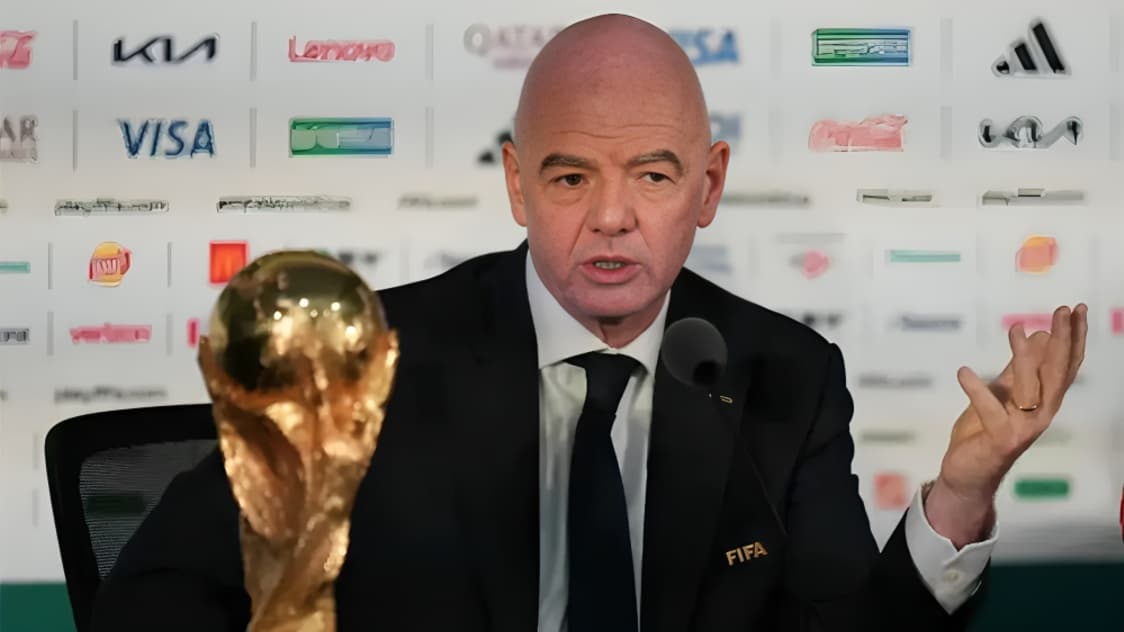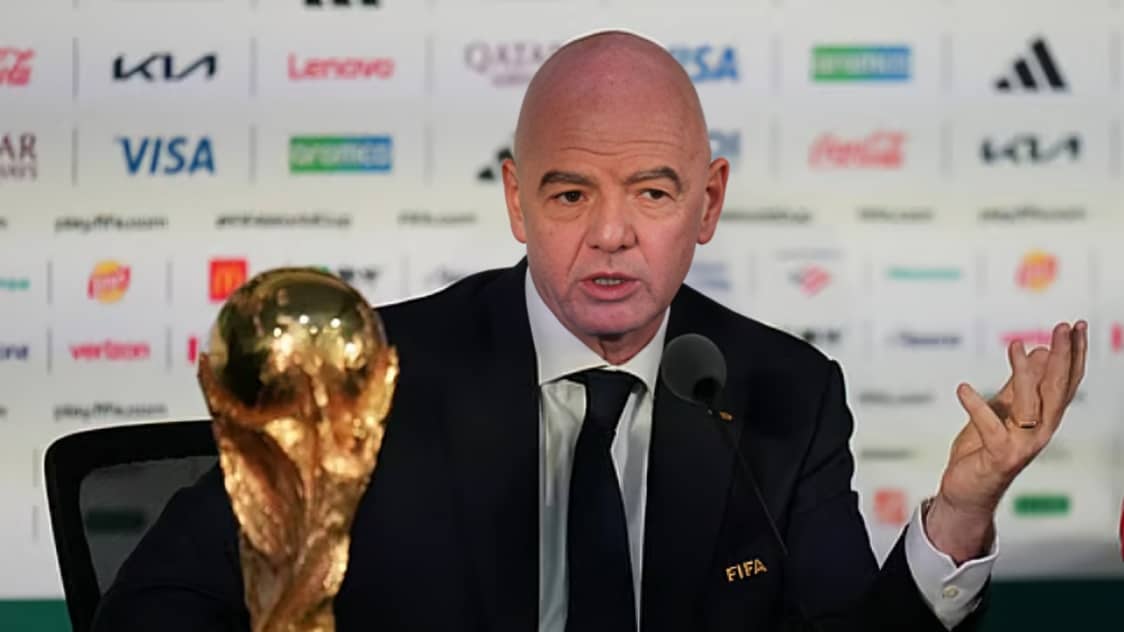
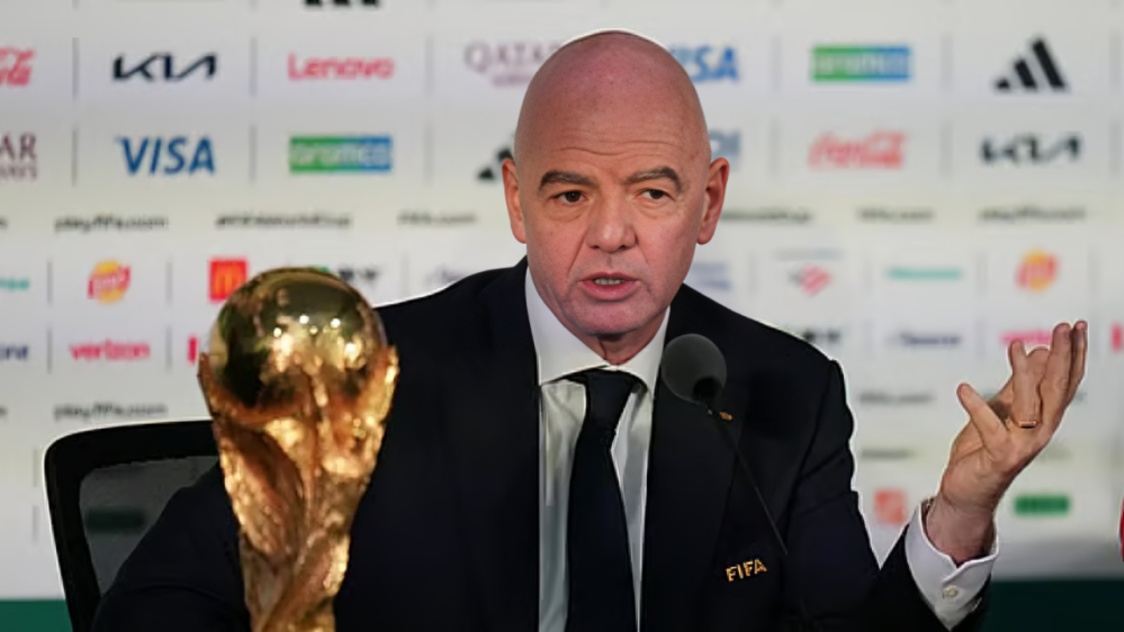
FIFA President Gianni Infantino appears to have received some relief in a growing dispute with European football authorities, with UEFA reportedly preparing to withdraw its threat to boycott a FIFA tournament.
The disagreement had become one of the most significant challenges facing Infantino and FIFA. UEFA, which represents European football associations, had raised concerns over issues surrounding the tournament and the way the governing body was handling certain matters.
At one stage, the dispute had raised the possibility that European football authorities could consider boycotting the competition. Such a move would have created a major problem for FIFA because European teams and players play a central role in the global football landscape.
Recent developments, however, indicate that the situation has moved towards a possible resolution. UEFA appears to be satisfied that some of its key concerns have been addressed, reducing the likelihood of a boycott.
The development is significant because a FIFA tournament involving European participation carries substantial sporting and commercial importance. European football has a large global audience, and the absence of leading European teams could significantly affect the tournament's profile.
Infantino has faced several controversies and disagreements during his tenure as FIFA president. Managing relationships with powerful continental football organisations has been an important part of his leadership.
UEFA is one of the most influential regional bodies in world football. It oversees national teams and club competitions involving some of the world's most commercially successful football markets.
Because of this influence, any serious disagreement between UEFA and FIFA can have consequences well beyond Europe.
The boycott threat therefore attracted considerable attention within the international football community. If European teams had refused to participate, FIFA would have faced questions about the legitimacy and competitiveness of the tournament.
The latest developments suggest that those concerns may now be easing.
The discussions between FIFA and UEFA appear to have focused on addressing demands made by European football officials. While the details of every issue may not be publicly available, the apparent change in UEFA's position indicates that progress has been made.
For Infantino, the development provides an opportunity to move past one of the biggest recent challenges to his leadership.
The FIFA president has consistently sought to expand the global reach of football and introduce changes to international competitions. His administration has also pursued closer engagement with football associations across different regions.
However, major changes to international football often create disagreements. European football authorities have traditionally played an important role in discussions about the international calendar, player workload and competition structures.
UEFA's concerns therefore carry considerable weight.
The potential withdrawal of the boycott threat is particularly important because football's international calendar is already crowded. Clubs, national teams and players face increasingly demanding schedules, while governing bodies continue to introduce or expand competitions.
European clubs and national teams are among the most heavily involved participants in international football. Their availability can influence scheduling, broadcasting arrangements and commercial planning.
A prolonged dispute could therefore have created uncertainty for FIFA and participating teams.
The latest development offers the possibility of greater stability.
For UEFA, reaching an understanding with FIFA could allow European football associations to protect their interests while avoiding a direct confrontation with the global governing body.
For FIFA, maintaining European participation would preserve the tournament's competitive strength and international appeal.
The situation also demonstrates the importance of negotiations between international and continental football organisations. FIFA governs football globally, while UEFA represents European football. Both organisations depend on cooperation to ensure that international competitions operate smoothly.
Although disagreements are inevitable, a negotiated settlement is generally preferable to a boycott.
The apparent progress could also reduce uncertainty for players and supporters. Footballers preparing for international tournaments need clarity about whether their national teams will participate and how competitions will be organised.
Supporters likewise expect major FIFA tournaments to feature the strongest possible field.
European teams traditionally attract large television audiences and significant sponsorship interest. Their participation is therefore important not only from a sporting perspective but also from a financial and commercial standpoint.
The possibility of a boycott had raised questions about how the tournament would be affected if UEFA and its member associations followed through on the threat.
Those questions may now become less urgent if UEFA formally withdraws its position.
The situation also highlights the growing importance of dialogue between football's governing bodies. FIFA and UEFA have different responsibilities, but their decisions often overlap because clubs, players and national teams operate across multiple competitions.
International football cannot easily be separated from the club game. European clubs employ many of the world's leading players, while national teams rely heavily on footballers competing in European leagues.
Any major disruption involving UEFA could therefore affect FIFA competitions directly.
Infantino's ability to manage the dispute will likely be closely watched. Resolving the issue through negotiations could strengthen FIFA's position and demonstrate that disagreements can be addressed without damaging international competitions.
At the same time, UEFA's decision to reconsider the boycott threat could be viewed as a sign that the organisation's concerns have received sufficient attention.
The development does not necessarily mean that every disagreement between FIFA and UEFA has disappeared. International football continues to face debates over competition formats, scheduling, player welfare and commercial priorities.
However, avoiding a boycott would represent an important immediate step towards reducing tensions.
For FIFA, the priority will now be to maintain communication with UEFA and ensure that the commitments made during negotiations are followed through.
For UEFA, continued participation would allow European teams to focus on sporting preparation rather than administrative uncertainty.
The potential resolution also comes at a time when FIFA is seeking to strengthen the global appeal of its competitions. European participation remains central to those ambitions.
The world's leading football nations are largely concentrated in Europe, and their involvement attracts significant global interest.
A FIFA tournament without European participation would therefore face a major challenge in maintaining its sporting and commercial impact.
That is why the apparent easing of the dispute represents a positive development for international football.
The controversy also demonstrates how much influence football governing bodies have over the global game. Decisions made by FIFA and UEFA can affect national teams, clubs, players, broadcasters, sponsors and supporters.
The interests of these groups do not always align, which makes negotiations an essential part of international football administration.
Infantino's leadership has frequently involved balancing these competing interests. The latest dispute was another test of his ability to manage relations with influential football organisations.
The possibility that UEFA will withdraw its boycott threat suggests that the immediate crisis may be easing.
However, the relationship between FIFA and UEFA will continue to require careful management. Future disagreements could emerge over other aspects of international football.
For now, the focus is likely to remain on ensuring that the tournament proceeds with the participation of European teams and without further disruption.
If UEFA formally abandons the boycott threat, it would remove a major uncertainty from the tournament's preparations.
It would also allow FIFA to concentrate on organisational and sporting arrangements rather than dealing with a potentially damaging dispute.
The development is therefore being viewed as an important moment for Infantino and FIFA.
While the original disagreement created considerable tension, negotiations appear to have moved both sides towards a more cooperative position.
The final outcome will depend on the formal decisions taken by UEFA and FIFA in the coming period. Until those decisions are officially confirmed, the situation remains subject to further developments.
For football fans, however, the possibility of European participation continuing will be welcome news. The presence of Europe's leading national teams would help maintain the competitive quality and global interest expected from a major FIFA tournament.
The episode ultimately underlines the importance of cooperation between FIFA and UEFA. Despite differences over policy and decision making, both organisations have a shared interest in ensuring that international football remains competitive, stable and globally appealing.
With UEFA apparently preparing to step back from its boycott threat, Infantino's biggest recent crisis may be moving towards a resolution.