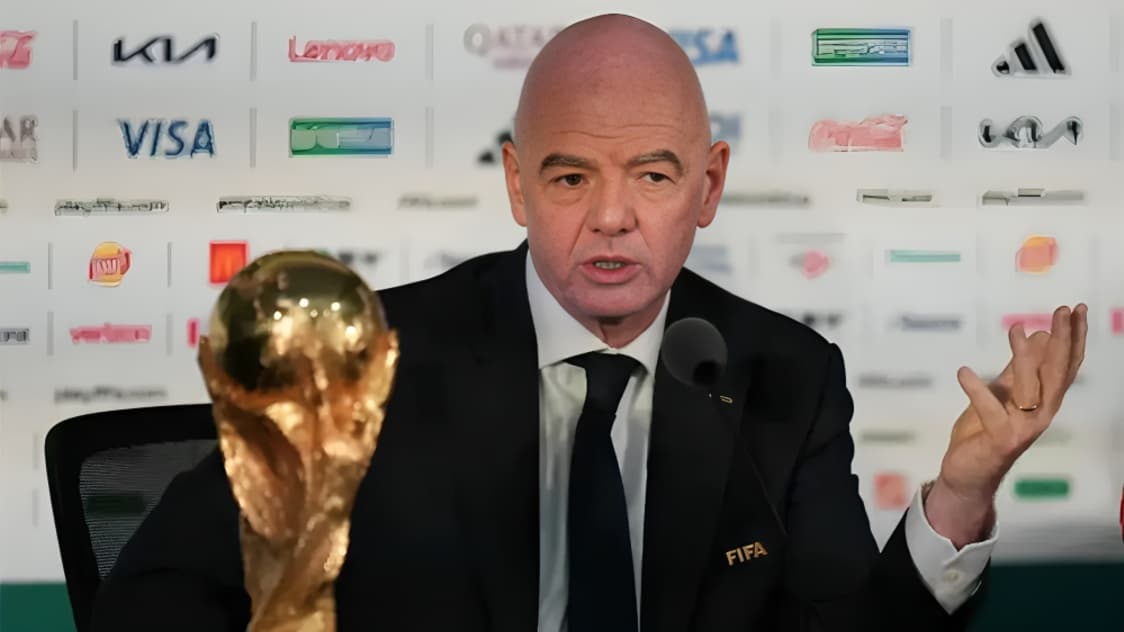
Italy, one of the most successful teams in the history of international football, have once again failed to qualify for the FIFA World Cup. This marks the third consecutive time that the four time champions will not be part of the tournament, extending a disappointing run that has raised serious questions about the team’s current form and future direction.
The Italian national team, often referred to as the Azzurri, last won the World Cup in 2006. That victory remains a significant achievement in the country’s football history. However, since then, the team has struggled to replicate similar success on the global stage. The inability to qualify for three consecutive editions of the World Cup highlights the challenges faced by the team in recent years.
Qualification for the World Cup is a rigorous process, requiring consistent performance across multiple matches. Italy’s failure to secure a spot indicates difficulties in maintaining competitiveness against other teams. Analysts point to a combination of factors, including changes in team composition, tactical approaches and the emergence of strong competition from other nations.
The absence of Italy from the World Cup is a major loss for the tournament as well. Known for their rich footballing tradition and passionate fan base, the team has historically been a key part of the event. Their absence not only affects fans but also alters the competitive landscape of the tournament.
Football experts have emphasized the need for structural improvements within the Italian football system. This includes developing young talent, strengthening domestic leagues and adopting modern training methods. Rebuilding the national team requires a long term strategy focused on consistency and performance.
Despite the recent setbacks, Italy continues to have a strong footballing culture and infrastructure. The country has produced many talented players over the years, and there is potential for a resurgence in the future. Efforts are likely to be made to address the issues that have contributed to the current situation.
Fans have expressed disappointment over the team’s failure to qualify, with many calling for changes in management and strategy. Social media reactions reflect a mix of frustration and hope, as supporters look forward to a revival of the team’s fortunes.
The situation also serves as a reminder of the evolving nature of international football. Competition has become increasingly intense, with more teams capable of challenging traditional powers. As a result, maintaining a position among the top teams requires continuous improvement and adaptation.
Looking ahead, Italy will need to focus on rebuilding and preparing for future competitions. The experience of missing out on multiple World Cups may act as a catalyst for change, prompting reforms and renewed efforts within the football system.
Overall, Italy’s continued absence from the FIFA World Cup represents a significant shift in the sport’s landscape. While their past achievements remain a source of pride, the current challenges highlight the need for transformation and renewed focus on performance and development.